Here you can read the latest news from Fumex.
Materials Matter: Choosing Extraction Equipment for Different Laboratory Processes
5 Common Design Mistakes in Laboratory Extraction Systems
Capture Performance: Why Airflow Alone Does Not Determine Effective Extraction
Pressure Drop and Energy Use in Laboratory Extraction Systems
“A little better every day” – Anders Hedlund reflects on his journey with Fumex
Meet Movex at I2SL 2026 in Boston – Booth 311

What EX means — and why it matters in extraction
Why you need industrial source extraction
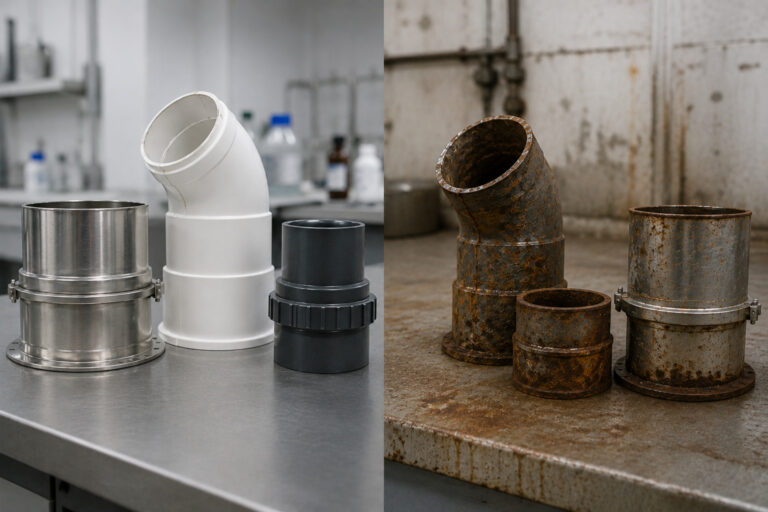
Why material selection matters in corrosive environments
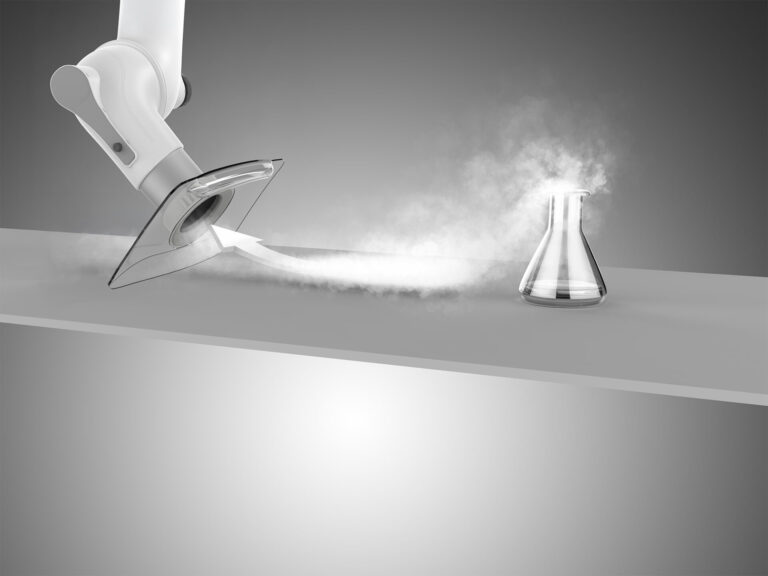
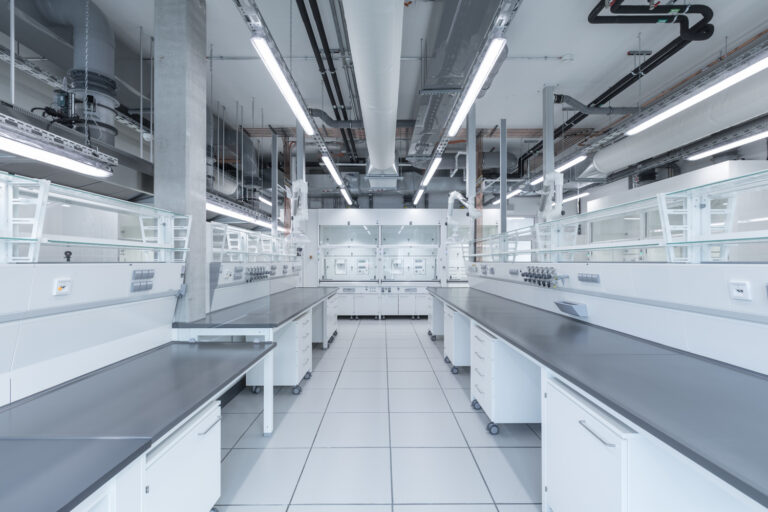
Source Extraction in Laboratories: Precision Where It Matters
Opening hours during the summer

New at Fumex GmbH – Jeaneth is already an important part of the team
When the right expertise meets the right idea: the Fumex augmented reality app

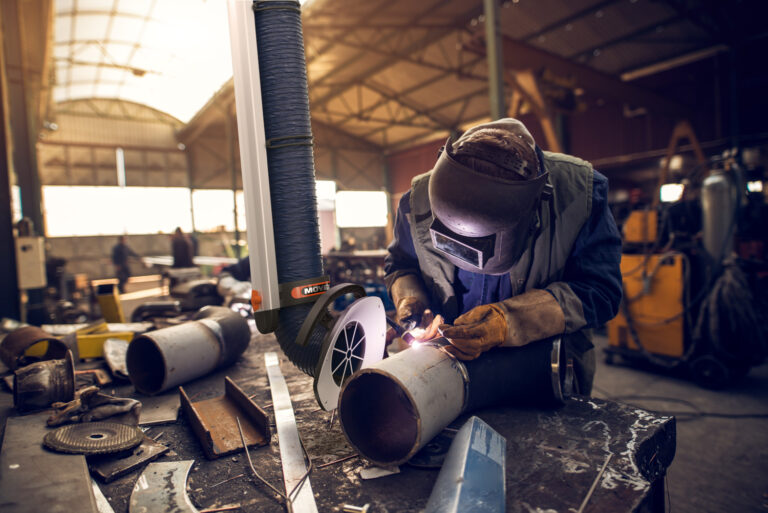
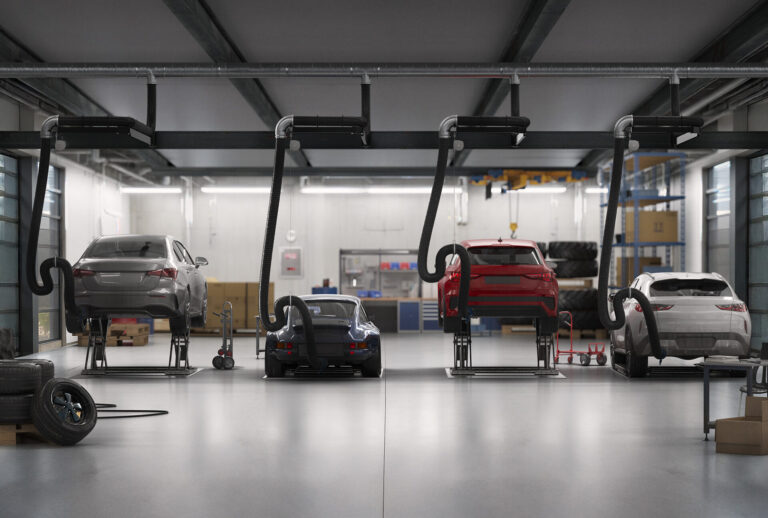
Why local extraction is essential for vehicle exhaust and welding fumes
Welcome to the open house on Saturday, November 9

Jussi Minkkinen is Fumex’s new Production Manager – “I am driven by continuous improvement”

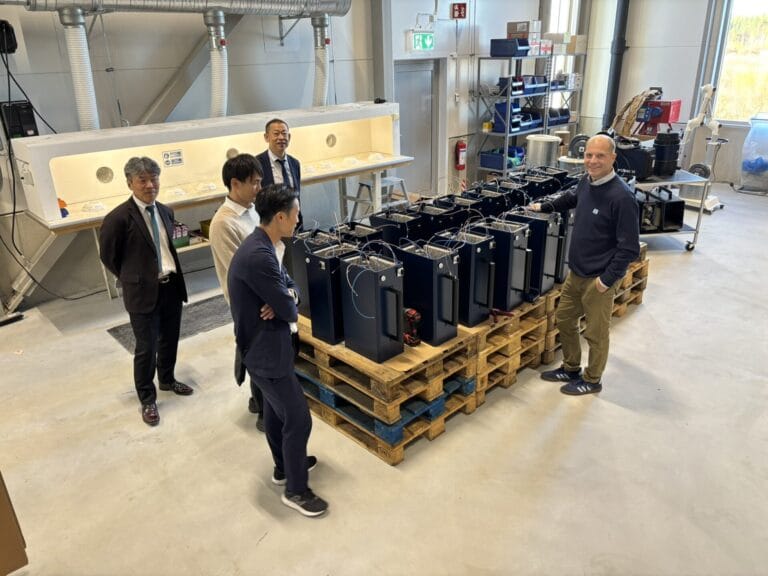
Japanese Dalton visits Fumex – focus on future cooperation
Introducing Mike Murphy – Movex’s new National Sales Manager

Opening ceremony for our new headquarters – See the pictures from the event!

Introducing Kenny Stenberg – ISO Coordinator at our parent company Fumex
Increasing the knowledge of environmental and social sustainability

Anders Hedlund takes the floor – “Trust me, there is a lot going on at Movex!”
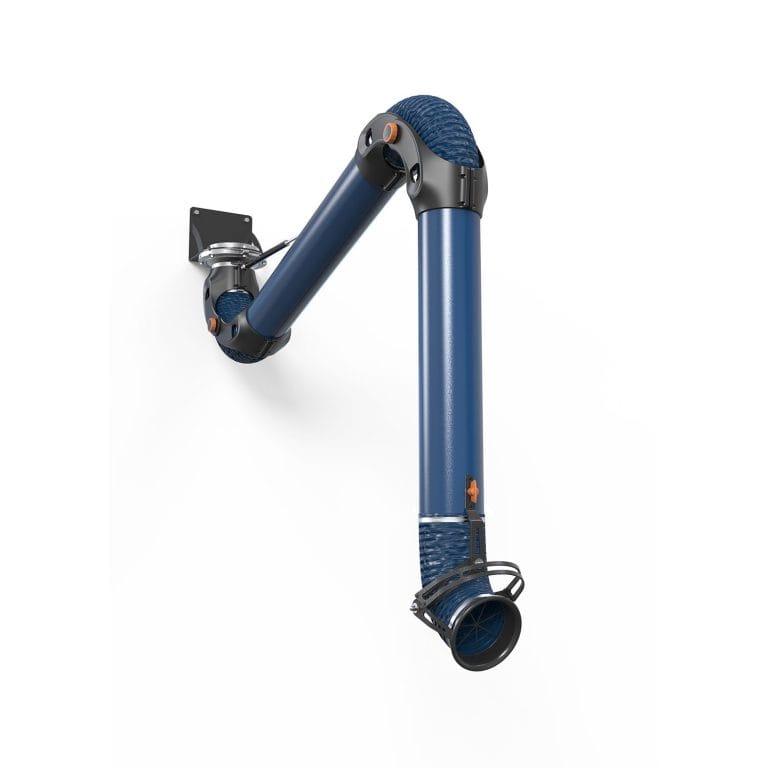
PRX – An effective “heavy duty” extraction arm
CV – Modular filter for both particles and gas
How to Select the Right Extraction Arm for Your Laboratory
A laboratory extraction arm has a simple purpose: capture airborne contaminants as close to the source as possible before they spread into the surrounding workspace. Choosing the right extraction arm, however, involves much more than selecting a size from a product list.
The contaminant, required airflow, working area, hood design, mounting location, materials and even how the operator interacts with the arm can all affect capture performance.
The right starting point is therefore not the extraction arm itself. It is the process you need to control.
Start with the process
Before choosing an extraction arm, first identify what happens at the workstation.
A small amount of vapor released during sample preparation creates different extraction requirements than a hot plume from laboratory equipment. A workstation handling corrosive chemicals may require different materials than a general teaching laboratory, while a cleanroom may place additional demands on surfaces and cleanability.
Some of the key questions to consider are:
- What type of contaminant is being generated — vapor, gas, fume, mist, particle or heat?
- Where is the contaminant generated?
- Does the source remain in one position or move across the work area?
- How close can the extraction point be positioned without interfering with the work?
- How much airflow does the process require?
- Are the contaminants corrosive, hot or otherwise demanding on the equipment?
- Are there special requirements for static control, cleanability or the surrounding environment?
Once these conditions are understood, it becomes much easier to specify the right extraction solution.
Make sure the arm can actually reach the source
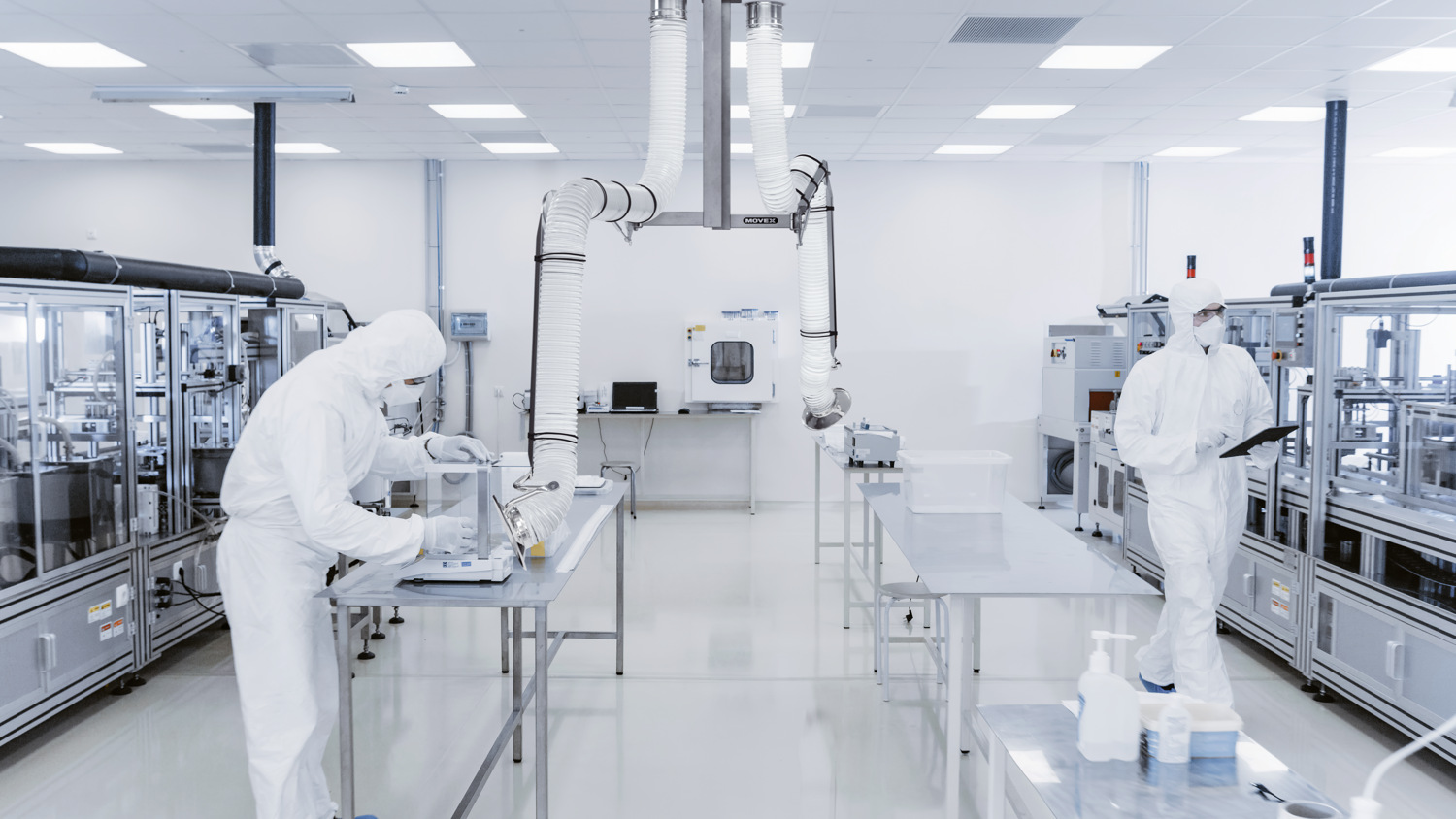
An extraction arm only performs as intended when the hood can be positioned where it is needed.
This sounds obvious, but reach should be evaluated based on the entire working area, not simply the distance between the mounting point and the center of the bench.
Consider where experiments, containers and equipment will actually be located. The arm should be able to reach these areas without being fully extended or forcing the operator into an awkward working position.
Our ME range provides a wide selection of configurations for this reason. Depending on the model, ME extraction arms are available in lengths from approximately 25 to 104 in. and can be installed on ceilings, walls or worktables.
Mounting position is therefore part of product selection, not something that should be decided after the arm has already been specified.
Choose the right diameter and airflow
Diameter and airflow need to be considered together.
A larger extraction arm can handle a higher volume of air, but simply selecting the largest diameter does not automatically provide better source capture. Moving more air than the process requires can increase the demands placed on the rest of the ventilation system.
For MOVEX ME, the recommended airflow ranges for laboratory applications are:
| Model | Diameter | Recommended laboratory airflow |
|---|---|---|
| ME 50 | 2 in. | 30–45 CFM |
| ME 75 | 3 in. | 70–85 CFM |
| ME 100 | 4 in. | 120–180 CFM |
These are product recommendations for the ME range rather than universal design values. The final airflow requirement should reflect the contaminant, hood, process and conditions around the workstation.
This is also why airflow should not be considered separately from pressure drop. An extraction system must provide the required airflow while overcoming the resistance created by the arm, ductwork and other components.

Hood design matters
The extraction arm gets the hood into position. The hood determines how the air immediately around the contaminant is captured.
Different laboratory processes therefore benefit from different hood geometries.
MOVEX ME can be configured with several hood and nozzle options.
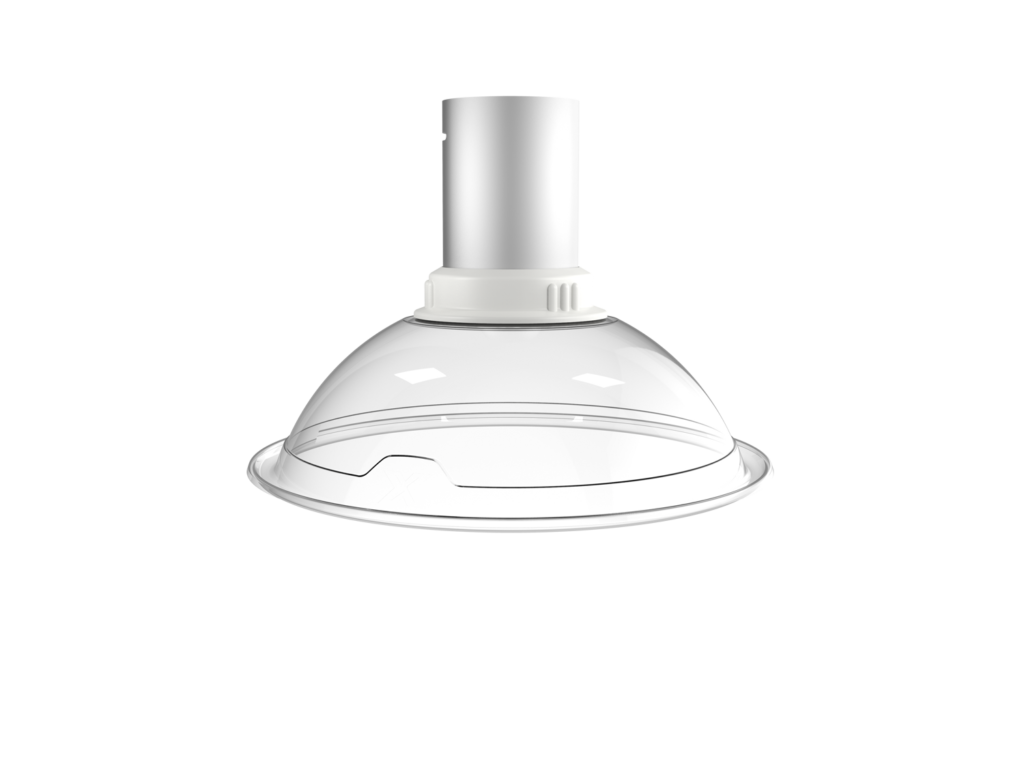
The MEK dome hood is designed for gases with upward movement and can partially surround the source without significantly obstructing the operator’s view.
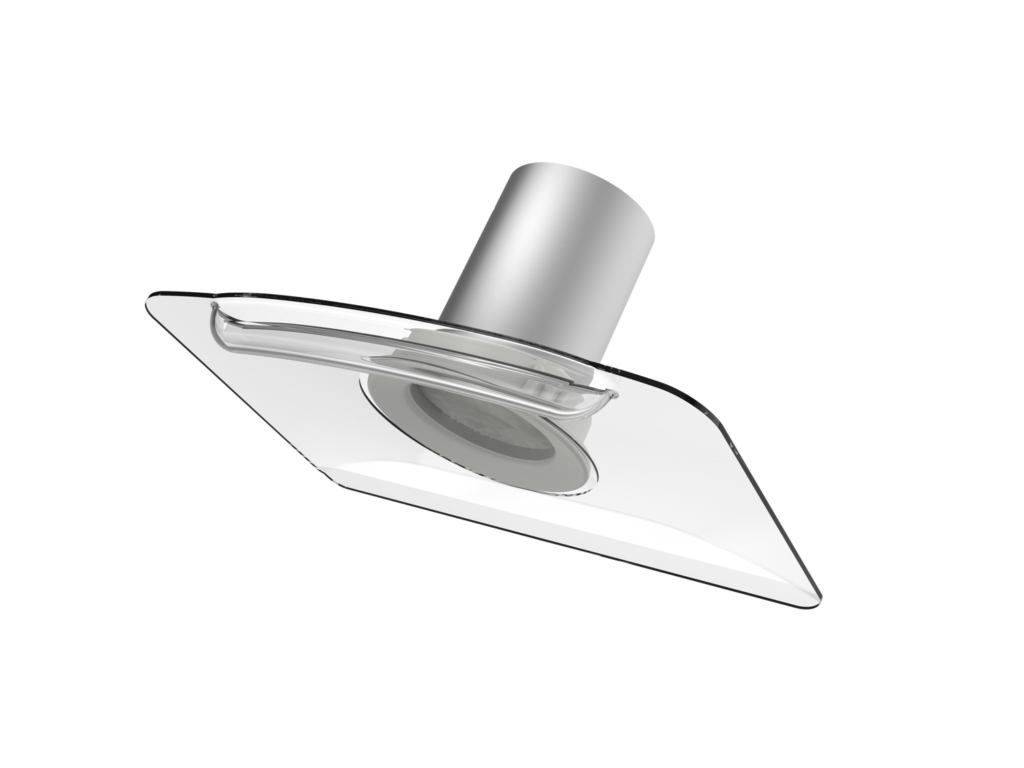
For table and bench work, the MEPH flat screen hood provides a wider capture area while keeping the work surface accessible.
The MESH square hood can be positioned above contaminants with natural upward movement or beside a work surface when the contaminant has little upward movement.
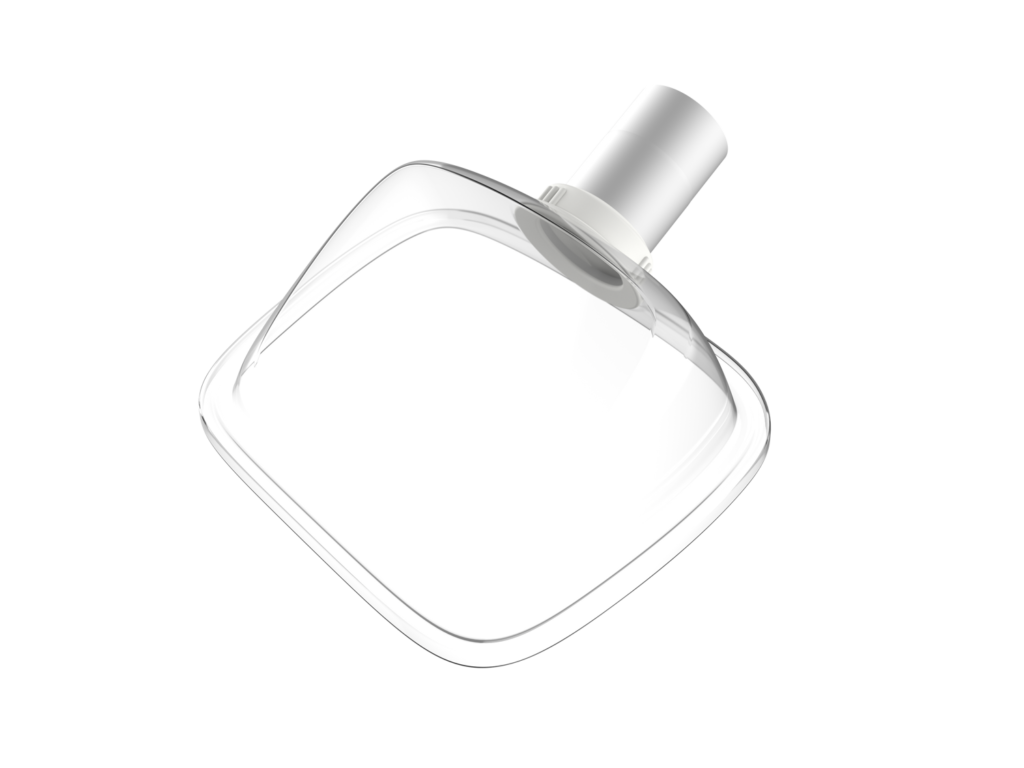
Where very precise positioning is possible, the MES suction nozzle allows the extraction point to be placed close to a localized source without taking up unnecessary workspace.
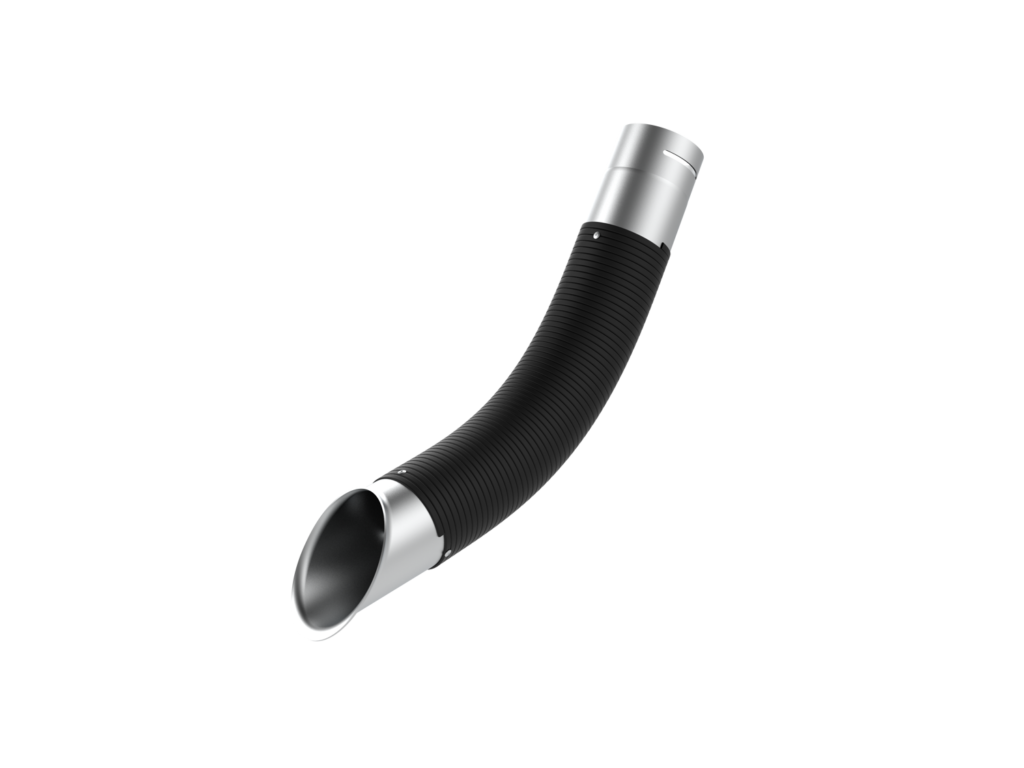
For harsher processes involving hot gases or particles, the MEM metal hood provides another alternative.
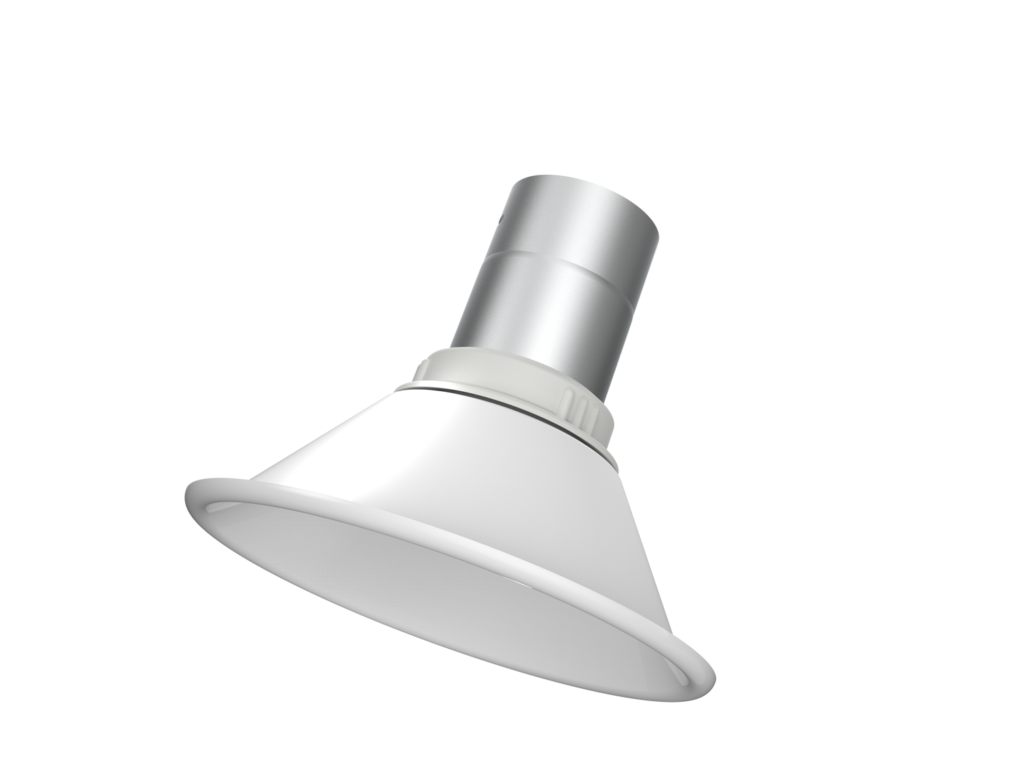
There is therefore no single hood geometry that is ideal for every laboratory application.
Keep the extraction point close to the source
Distance has a major effect on source capture.
An extraction hood does not pull contaminated air effectively from unlimited distances. As the distance between the hood and the source increases, the air velocity available to influence the contaminant decreases rapidly.
OSHA guidance for local exhaust ventilation emphasizes that capture hoods should be located close to the contaminant source and positioned so contaminants are not drawn through the worker’s breathing zone.
That has two practical consequences:
- First, the extraction arm must have sufficient reach and flexibility to get close to the process.
- Second, the hood should be positioned so contaminated air travels away from the user and toward the extraction point, rather than passing the user’s face on its way to the hood.
This is one reason flexibility and positional stability matter so much in laboratory extraction.
Consider how the arm will be mounted
The physical layout of the laboratory can determine which mounting solution makes the most sense.
Ceiling mounting keeps the extraction system away from the work surface and is common in permanent laboratory installations. Wall mounting can be useful when ceiling access is limited, while table mounting provides a compact solution directly at the workstation.
MOVEX ME supports all three arrangements. The MTI ceiling bracket can also function as part of the exhaust duct, helping create a clean installation without additional exposed ducting between the extraction arm and the ceiling connection.
For laboratories where overhead space is restricted, MOVEX MiniTEX provides another approach. Its telescopic movement and compact geometry are designed for installations where a conventional articulated arm could interfere with low ceilings, lighting or other equipment.
MiniTEX is available in 3 and 4 in. diameters. For most laboratory applications, we recommend the 3 in. version at approximately 80 CFM.
Its internal airflow path is kept free of support components to help maintain low pressure drop.
Match the materials to the contaminant
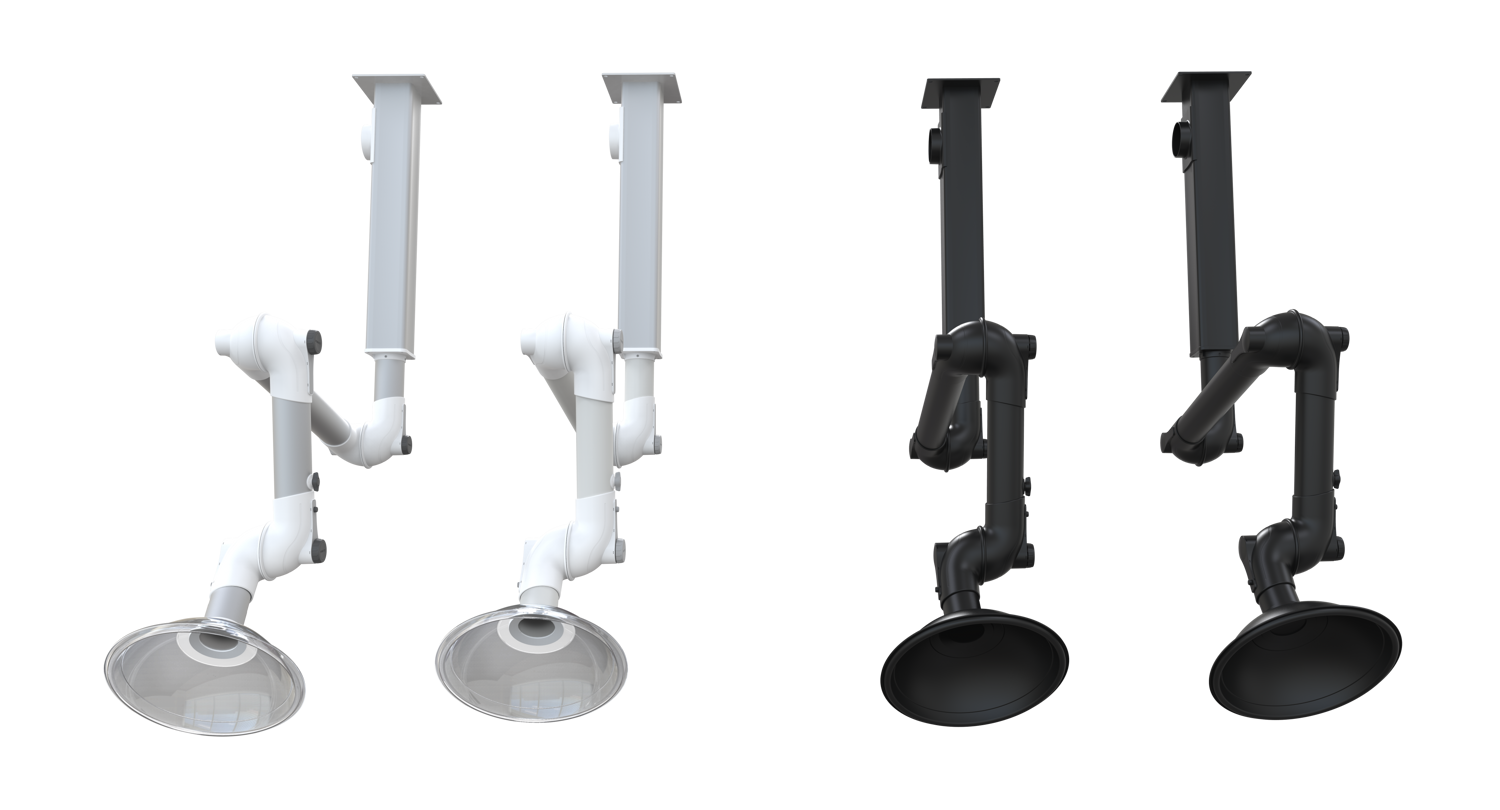
The standard extraction arm is not always the right extraction arm.
Materials that perform well in a general laboratory may not be appropriate for aggressive chemicals, electrostatic-sensitive processes or other specialized environments.
That is why we offer the ME series in several configurations.
ME STD uses thin-wall anodized aluminum tubing with polypropylene joints and is designed for a broad range of general laboratory applications.
For processes involving highly corrosive airborne contaminants, ME PP uses polypropylene tubes and joints, while metal components exposed to the airflow are made of stainless steel.
ME ESD uses conductive components and grounding for environments where electrostatic discharge needs to be controlled.
ME EX is designed for extraction in ATEX-classified environments where flammable gases, vapors, or combustible dust may create an explosive atmosphere. It uses conductive polypropylene components, stainless steel parts in contact with the airflow, and conductive-coated load-bearing metal components. The complete installation must always be designed according to the applicable hazardous-area classification.
The important point is simple: choose the materials and configuration according to what is being extracted and the environment in which the equipment will be used.
Some processes require a specialized extraction arm
In some laboratory applications, reach and airflow are only part of the challenge.
High temperature is one example.
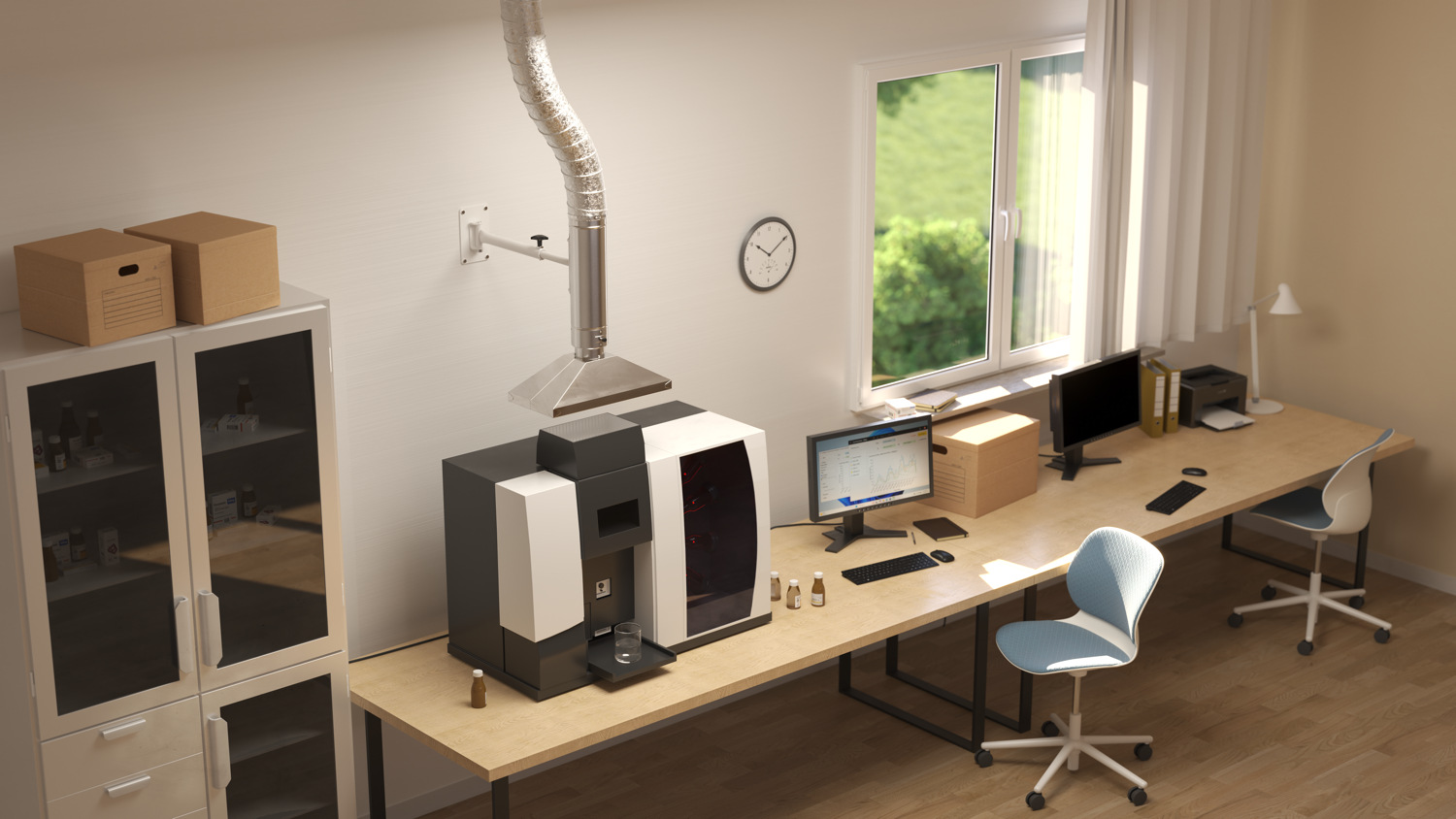
MOVEX MEX AA is designed for extracting hot airborne contaminants from equipment such as atomic absorption instruments. Components exposed to the hot air are manufactured from 316L stainless steel, and the supplied flexible hose is designed for temperatures up to 482°F.
The hood can be adjusted through approximately 18 in. of telescopic movement, allowing it to be positioned around the process while remaining stable.
Cleanroom environments present a different challenge.
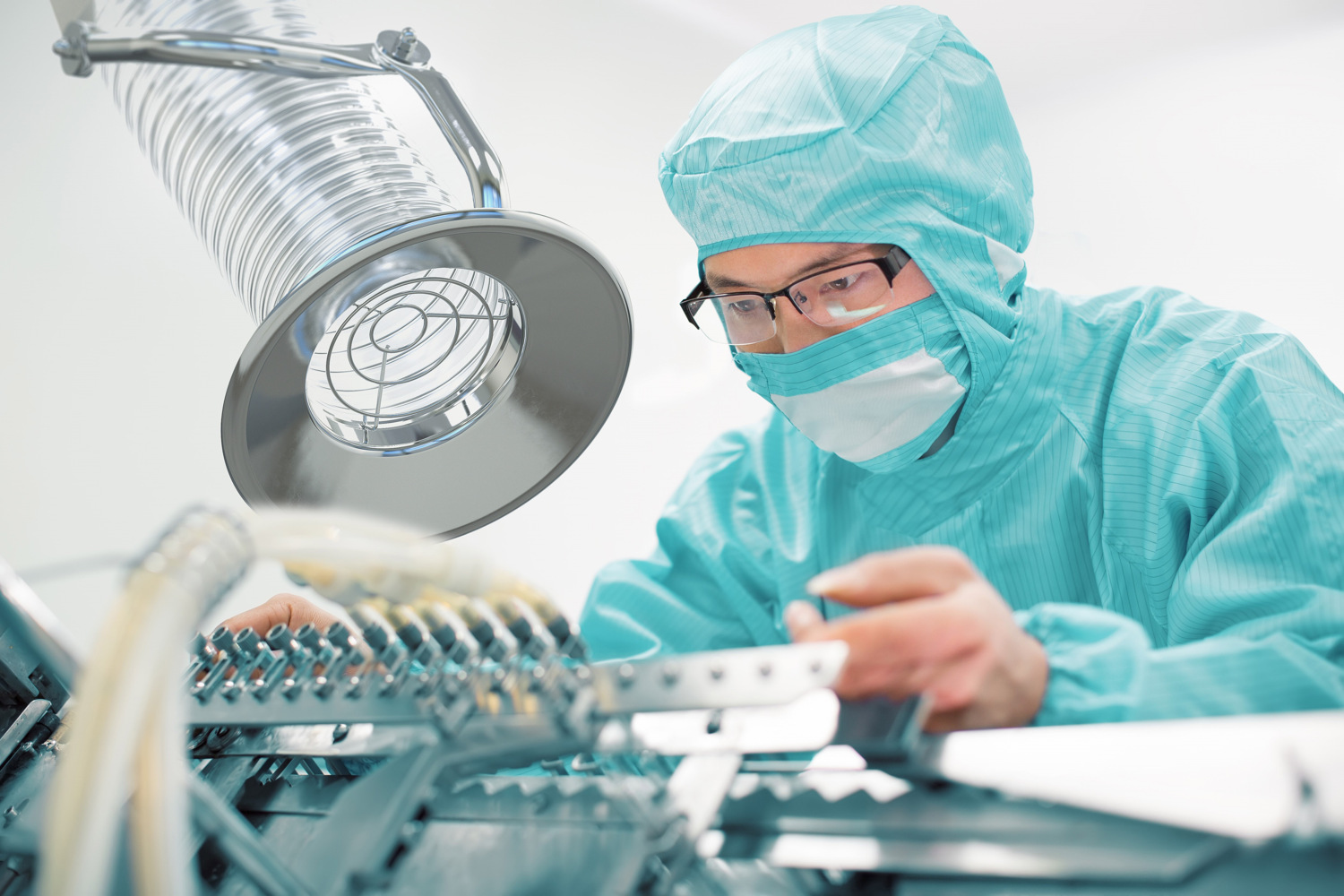
MOVEX PSS is manufactured from high-gloss polished, acid-resistant stainless steel and is cleanroom certified. Its construction is designed around cleanability, with a sealed support profile and a minimum of components exposed to the airflow.
These examples show why selecting an extraction arm by size alone can lead to the wrong solution.
Ergonomics is part of extraction performance
Good source extraction depends on the operator being able to place the hood correctly.
If an extraction arm is difficult to move, obstructs the work or does not remain in position, correct use becomes harder.
OSHA’s local exhaust guidance also notes that hoods should be arranged so they do not unnecessarily interfere with the work being performed.
For this reason, maneuverability and positional stability are functional characteristics — not simply ergonomic extras.
The extraction arm should move easily when adjustment is required and remain where the operator leaves it.
Think about the complete system
The extraction arm is only the first component in the airflow path.
Once the contaminant enters the hood, the air still has to travel through the arm, ductwork, dampers and potentially filtration equipment before the fan moves it out of the system.
An arm with unnecessary resistance affects everything downstream. So can undersized ductwork, excessive bends or incorrectly selected fans.
Selecting the right extraction arm therefore means considering how that arm will operate as part of the complete laboratory ventilation system.
That becomes even more important when several extraction points share a central fan.
We will explore those relationships throughout this Laboratory Edition series.
The right extraction arm starts with the application
There is no single extraction arm that is right for every laboratory.
A successful selection starts by understanding the contaminant and the work being performed. From there, reach, airflow, hood geometry, mounting and materials can be selected around the actual application.
For general laboratory source extraction, MOVEX ME provides a flexible platform with a wide range of configurations.
For compact installations, MiniTEX provides a telescopic low-pressure-drop alternative. MEX AA addresses high-temperature applications, while PSS is designed for cleanroom and hygiene-sensitive environments.
The goal is not simply to install an extraction arm.
It is to make effective source capture easy to use where it matters most.
Need help selecting the right extraction arm?
Talk to us about your process, contaminant and laboratory layout, and we can help you find a solution that fits your application.