Here you can read the latest news from Fumex.
Materials Matter: Choosing Extraction Equipment for Different Laboratory Processes
5 Common Design Mistakes in Laboratory Extraction Systems
Capture Performance: Why Airflow Alone Does Not Determine Effective Extraction
Pressure Drop and Energy Use in Laboratory Extraction Systems
How to Select the Right Extraction Arm for Your Laboratory
“A little better every day” – Anders Hedlund reflects on his journey with Fumex
Meet Movex at I2SL 2026 in Boston – Booth 311
What EX means — and why it matters in extraction
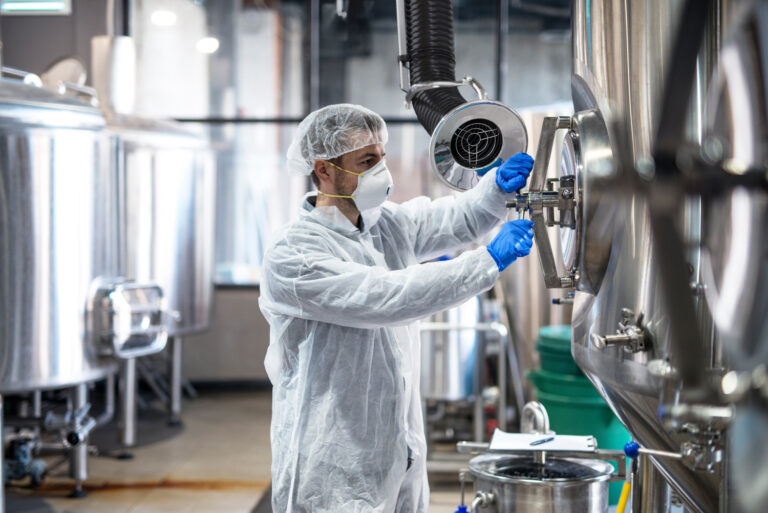
Why you need industrial source extraction
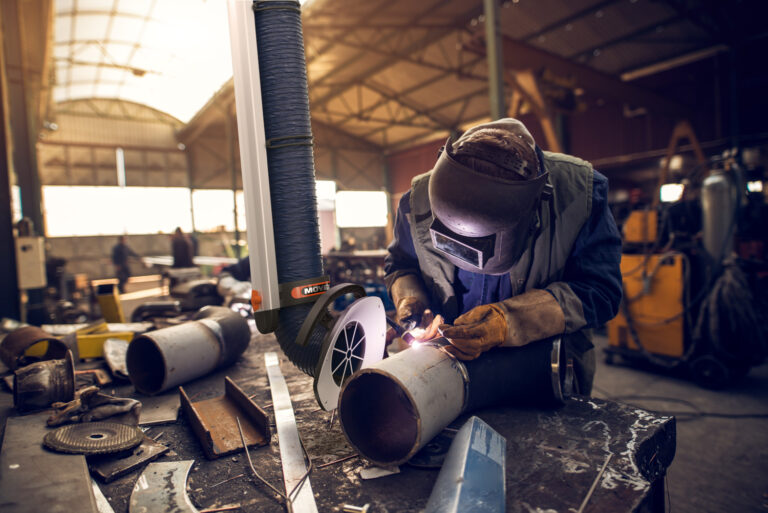
Why material selection matters in corrosive environments
Opening hours during the summer

New at Fumex GmbH – Jeaneth is already an important part of the team
When the right expertise meets the right idea: the Fumex augmented reality app

Why local extraction is essential for vehicle exhaust and welding fumes
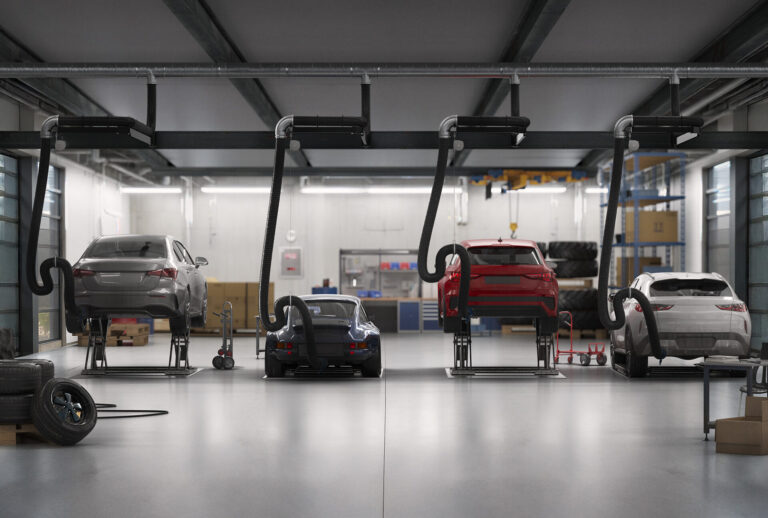
Welcome to the open house on Saturday, November 9

Jussi Minkkinen is Fumex’s new Production Manager – “I am driven by continuous improvement”

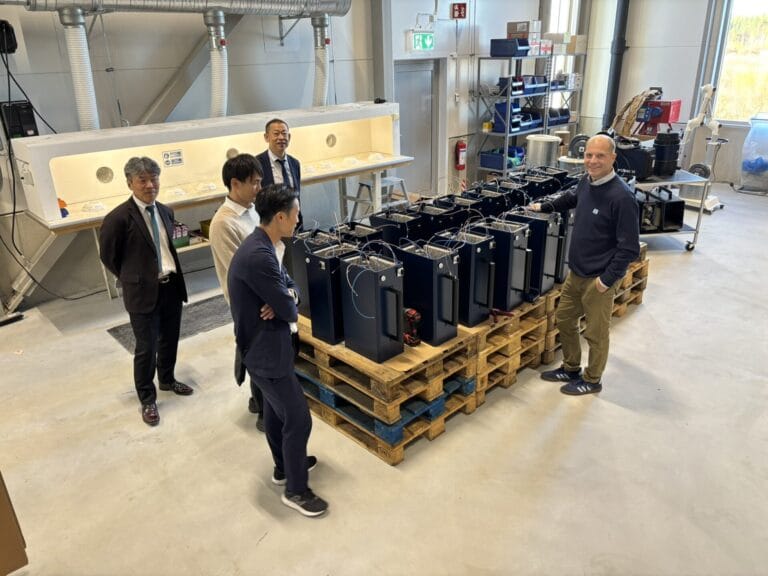
Japanese Dalton visits Fumex – focus on future cooperation
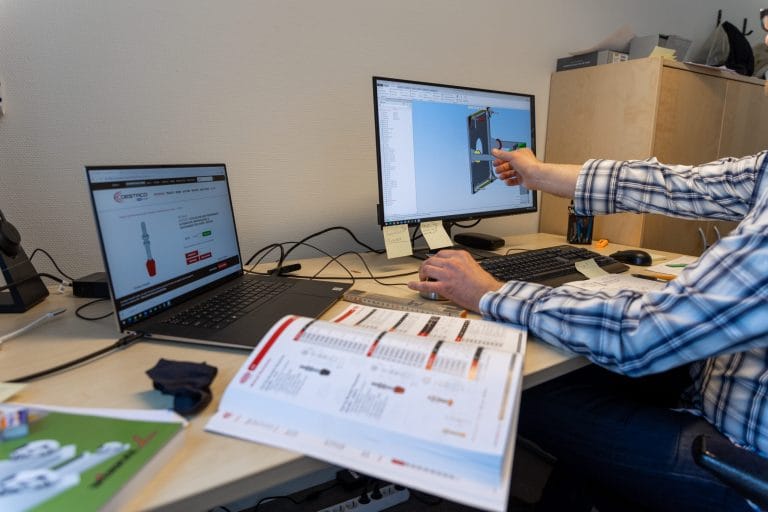
Introducing Mike Murphy – Movex’s new National Sales Manager

Opening ceremony for our new headquarters – See the pictures from the event!

Introducing Kenny Stenberg – ISO Coordinator at our parent company Fumex

Increasing the knowledge of environmental and social sustainability

Anders Hedlund takes the floor – “Trust me, there is a lot going on at Movex!”
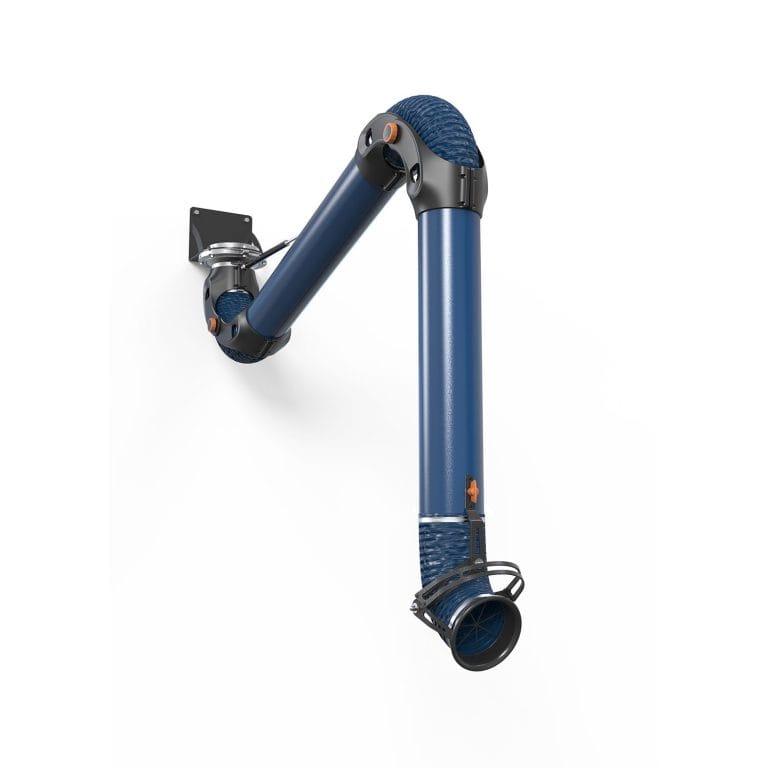
PRX – An effective “heavy duty” extraction arm
CV – Modular filter for both particles and gas
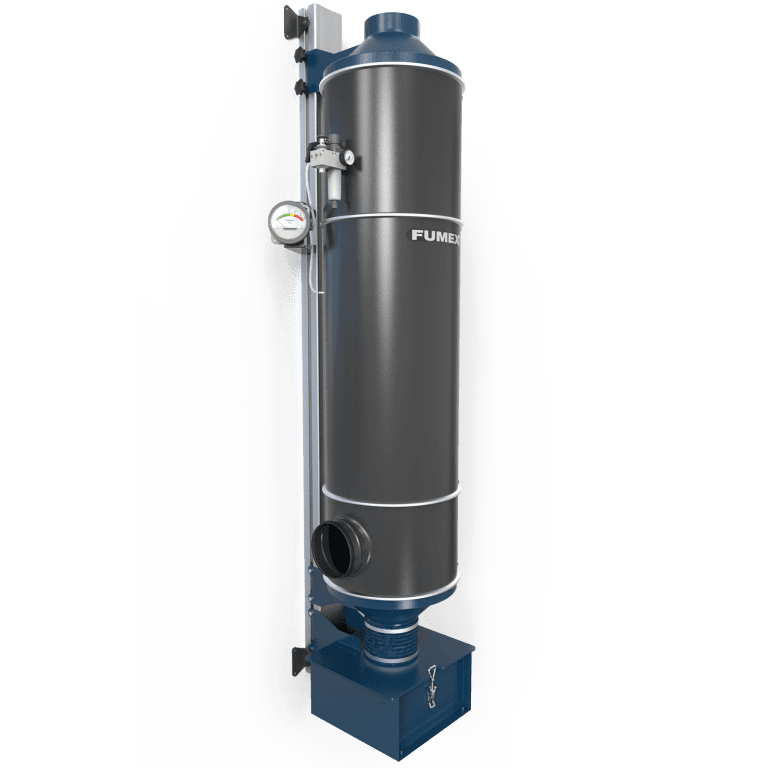
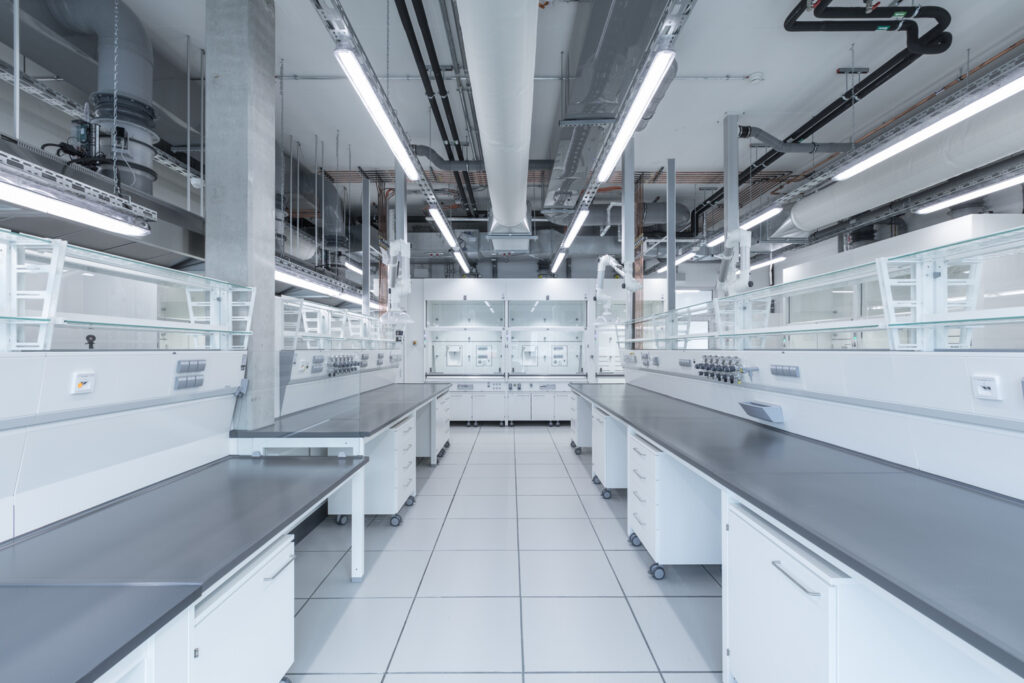
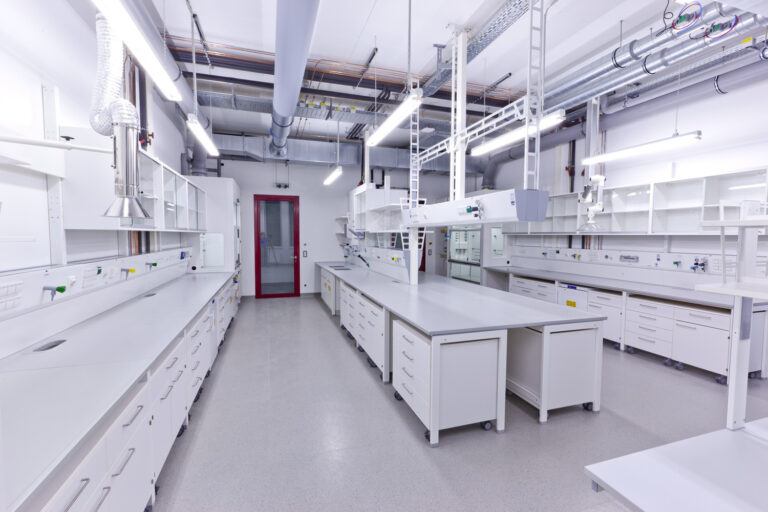
Source Extraction in Laboratories: Precision Where It Matters
In laboratory environments, effective extraction is not a question of whether contaminants should be controlled, but how well the extraction solution matches the process.
Fumes, vapors, heat, particles and airborne substances are often generated directly at the workstation. In these cases, general room ventilation plays an important supporting role, but it cannot replace targeted capture at the source.
Local extraction helps maintain a controlled working environment by removing contaminants close to where they are generated. Correctly specified and positioned, it can support user safety, process efficiency, comfort and flexibility in daily laboratory work.
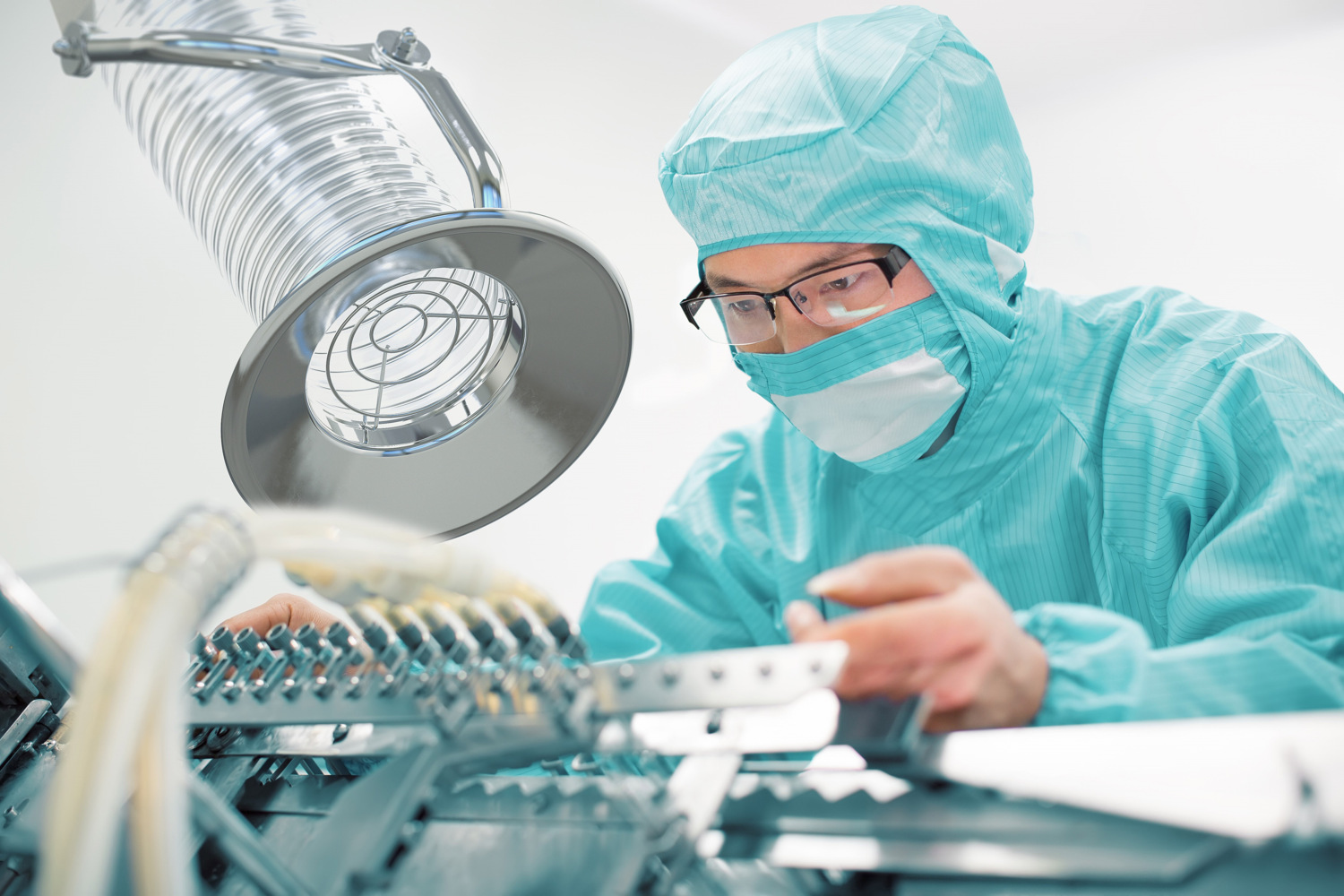
Capture efficiency starts with positioning
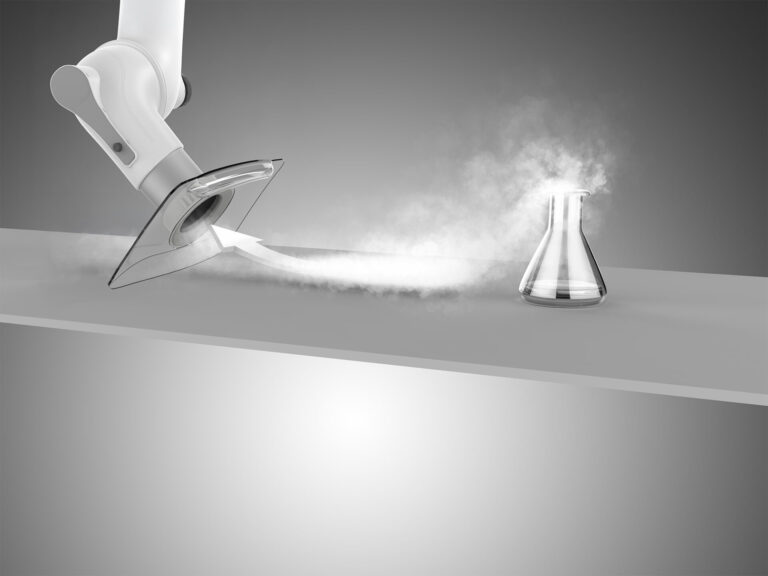
The performance of a local extraction system depends heavily on the position of the hood, nozzle or extraction arm. Even small changes in distance or angle can affect capture efficiency.
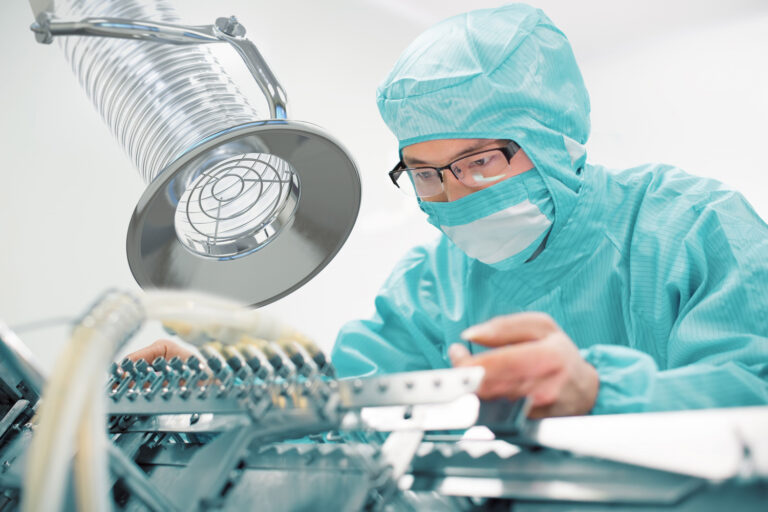
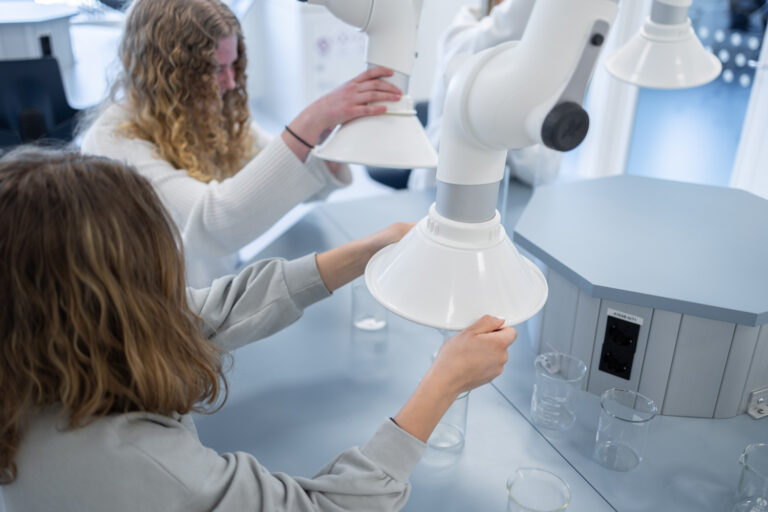
For best results, the extraction point should be placed as close to the emission source as the work process allows, without interfering with visibility, handling or movement. A well-positioned extraction arm helps remove contaminants before they disperse into the surrounding air or enter the user’s breathing zone.
Match the extraction point to the application
Different laboratory tasks require different capture methods. A hood may be suitable for one process, while a nozzle or flexible extraction arm may be more effective for another.
When selecting an extraction point, consider:
- the type of contaminant being generated
- the temperature of the emission
- the distance between the source and the extraction point
- the need for visibility and access
- how often the workstation setup changes
- whether filtration or connection to a central system is required
The goal is not simply to create airflow, but to create controlled capture that supports the way the work is actually performed.
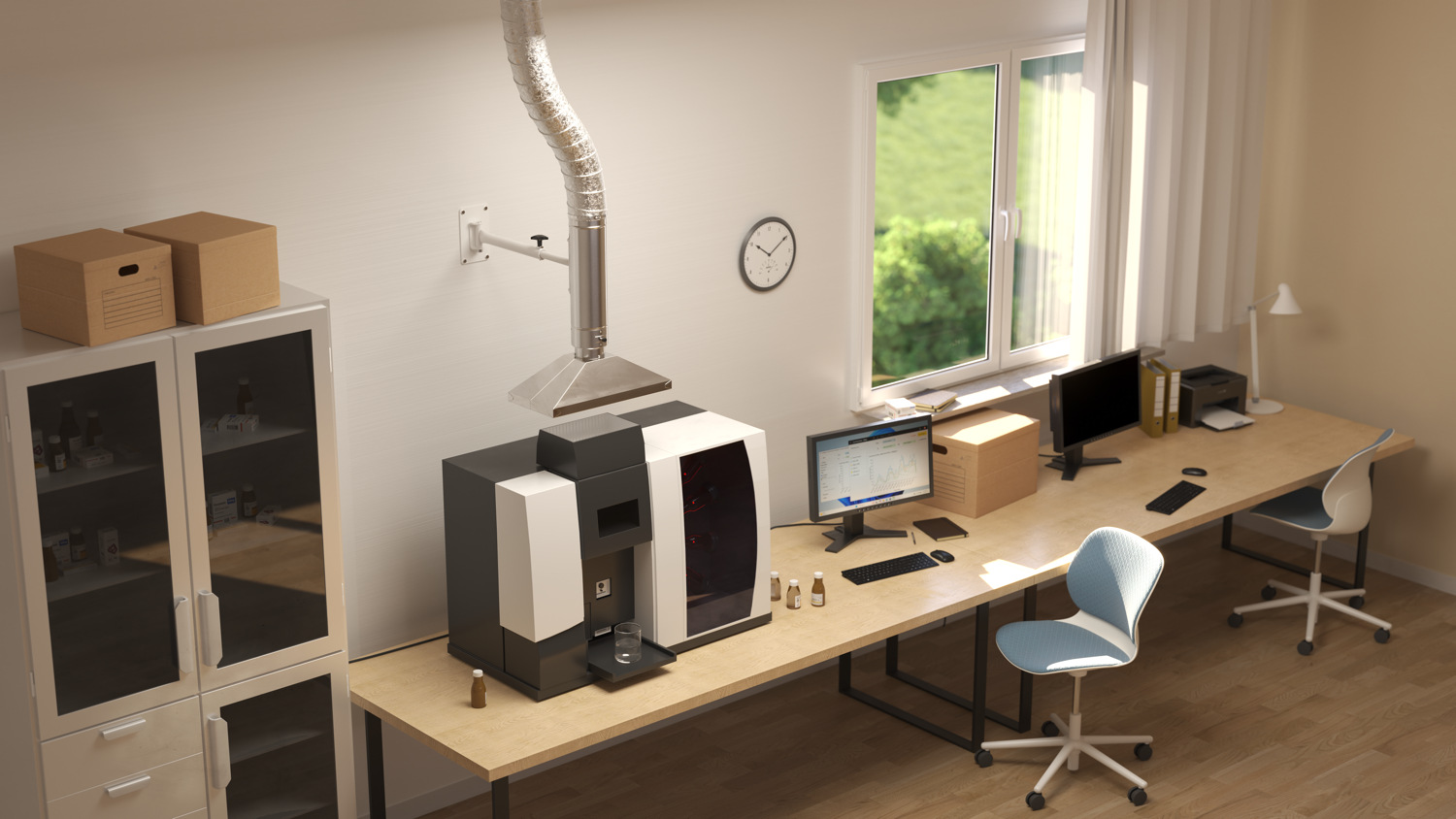
Consider heat, particles and vapors separately
Laboratory emissions vary widely. Some processes generate heat, others release vapors, fumes or fine particles. Each of these may place different demands on the extraction solution.
Hot contaminants may require materials and components designed for higher temperatures. Particle-generating processes may require specific filtration considerations. Vapor and fume applications often depend on precise positioning and sufficient capture velocity at the source.
By understanding the process conditions, it becomes easier to specify an extraction solution that performs reliably in daily use.
Design for flexible laboratory workflows
Laboratory workstations are often used for multiple tasks, users and setups. This makes flexibility an important part of effective extraction design.
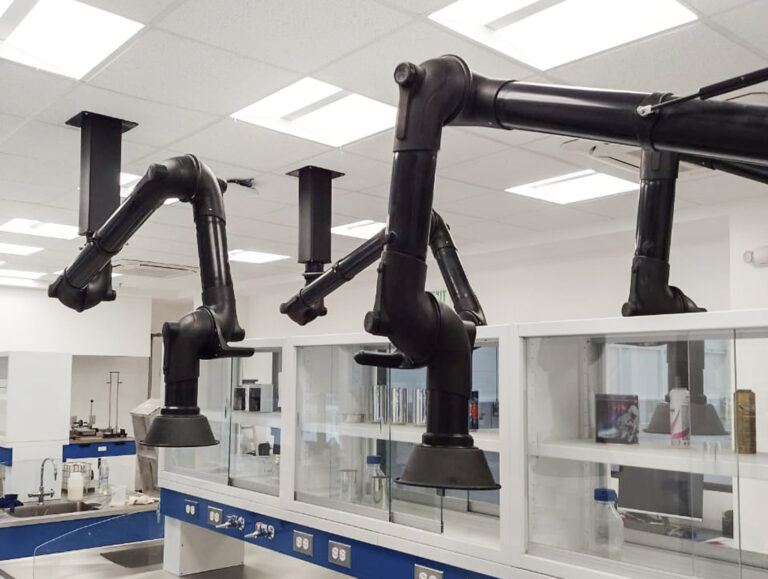
A flexible extraction arm can be repositioned as the work changes, helping maintain capture efficiency across different applications. This is particularly valuable in laboratories where fixed extraction points may not provide enough adaptability for changing workflows.
Good extraction design should support the process, not restrict it.
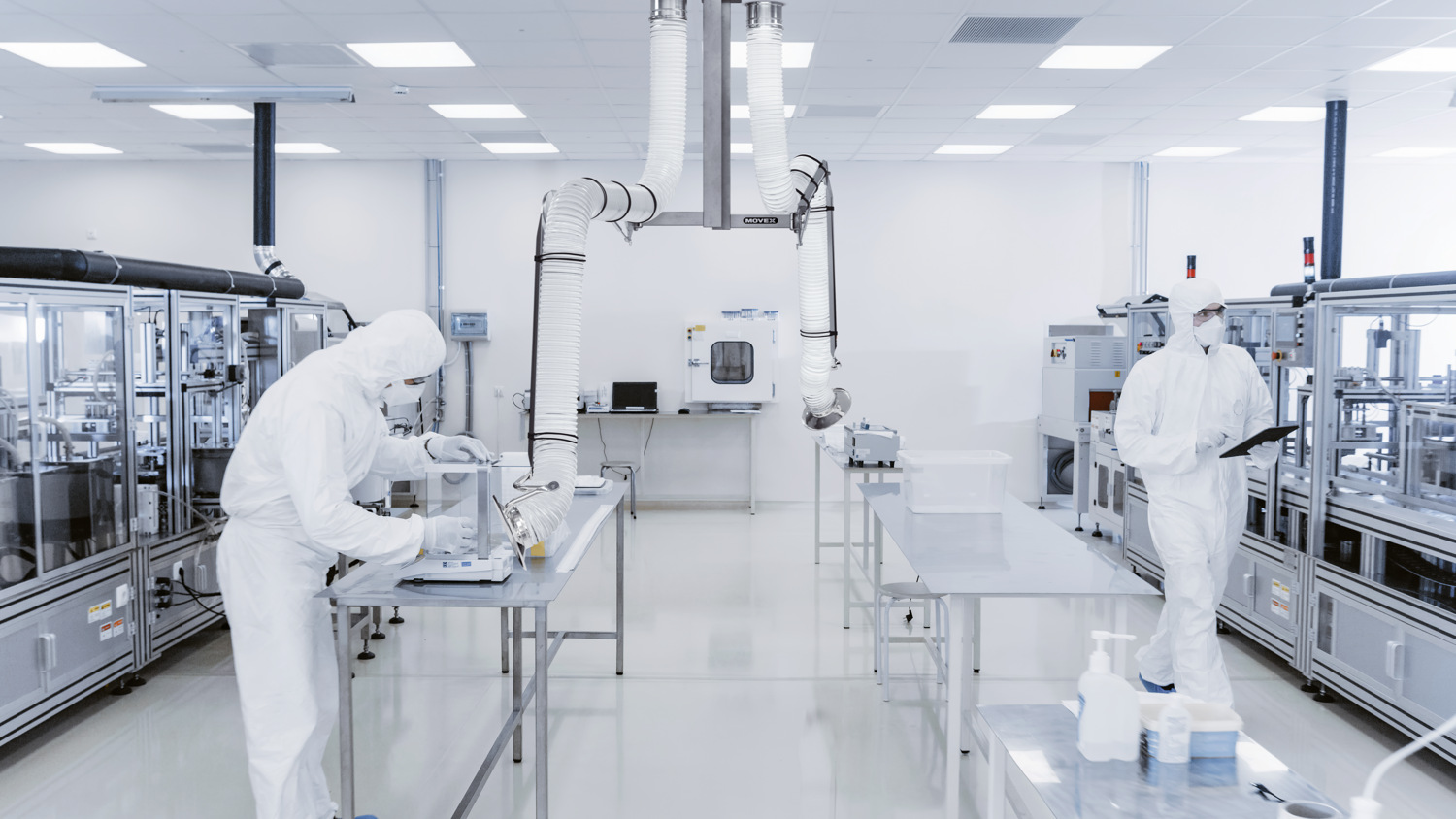
Fumex solutions for laboratory extraction
Fumex offers several solutions for laboratory environments where source extraction is required.
ME is a flexible extraction arm suited for everyday laboratory applications where positioning and ease of use are important. MEX AA is designed for applications involving hot contaminants. MiniTEX and PSS can be used as complementary solutions depending on the laboratory setup, extraction requirements and filtration needs.
By matching the extraction solution to the process, laboratories can improve capture efficiency, support user comfort and maintain a cleaner, more controlled working environment.
Controlled extraction starts at the source
In laboratories, air quality depends on more than general ventilation. When emissions are generated directly at the workstation, source extraction provides targeted control where it has the greatest effect.
Correctly selected, positioned and maintained, local extraction becomes an integrated part of the laboratory workflow — supporting safety, precision and efficiency in daily operations.