Here you can read the latest news from Fumex.
Materials Matter: Choosing Extraction Equipment for Different Laboratory Processes
5 Common Design Mistakes in Laboratory Extraction Systems
Pressure Drop and Energy Use in Laboratory Extraction Systems
How to Select the Right Extraction Arm for Your Laboratory
“A little better every day” – Anders Hedlund reflects on his journey with Fumex
Meet Movex at I2SL 2026 in Boston – Booth 311

What EX means — and why it matters in extraction
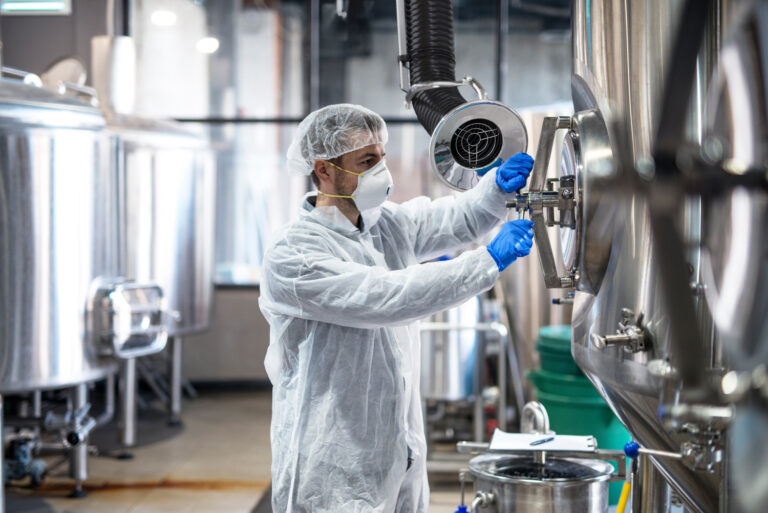
Why you need industrial source extraction
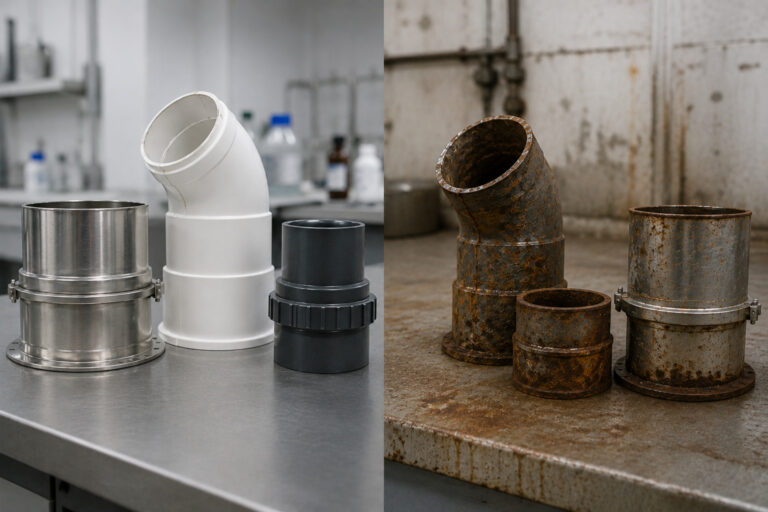
Why material selection matters in corrosive environments
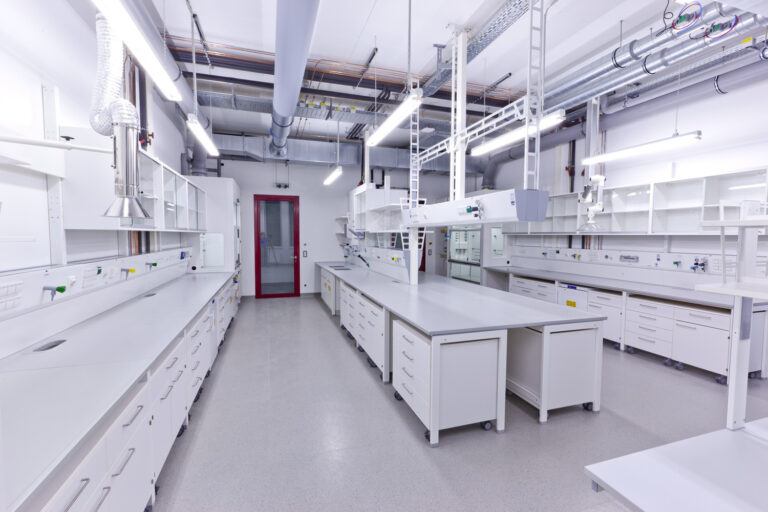
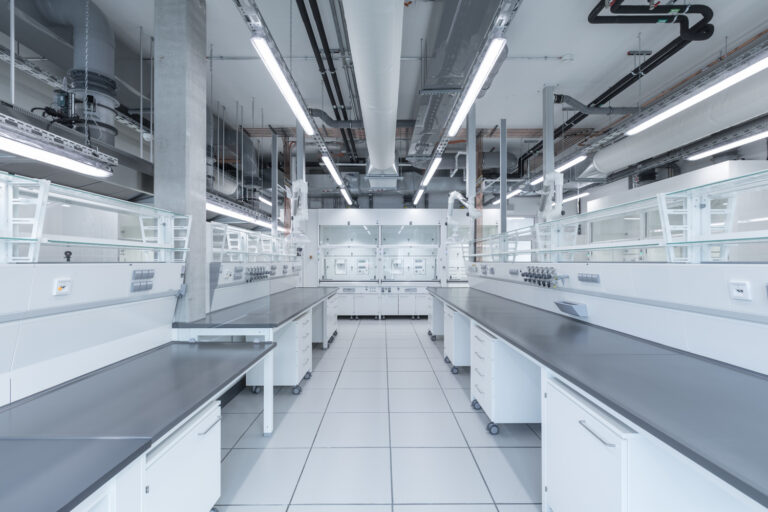
Source Extraction in Laboratories: Precision Where It Matters
Opening hours during the summer

New at Fumex GmbH – Jeaneth is already an important part of the team
When the right expertise meets the right idea: the Fumex augmented reality app

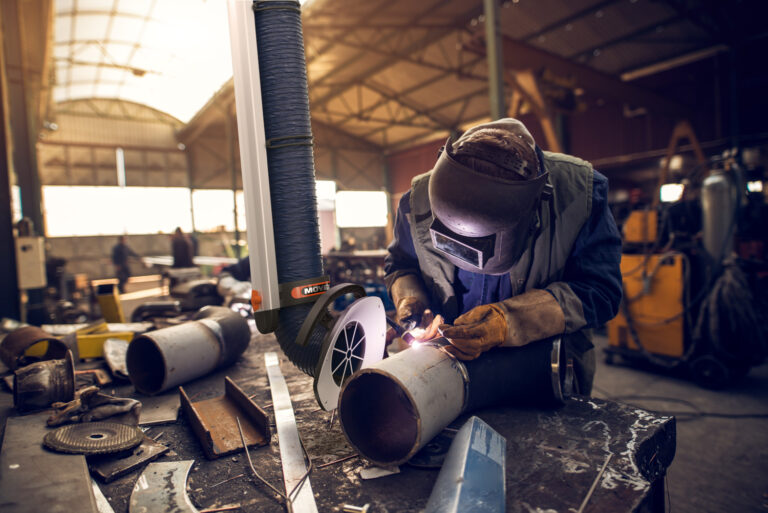
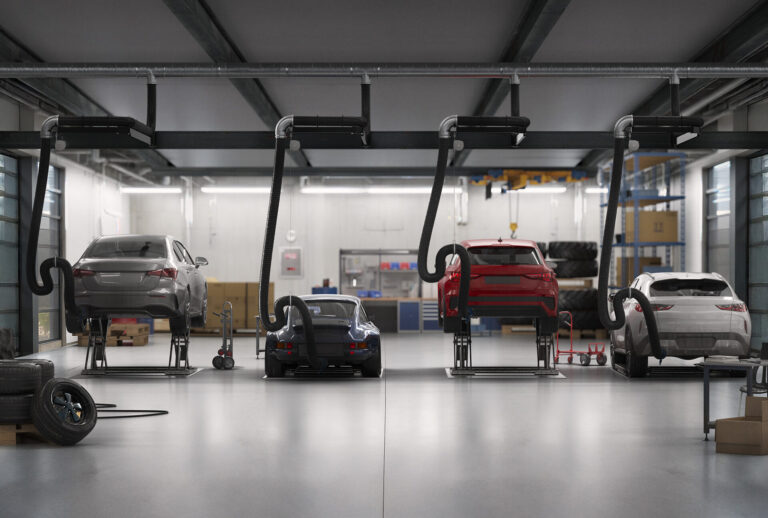
Why local extraction is essential for vehicle exhaust and welding fumes
Welcome to the open house on Saturday, November 9
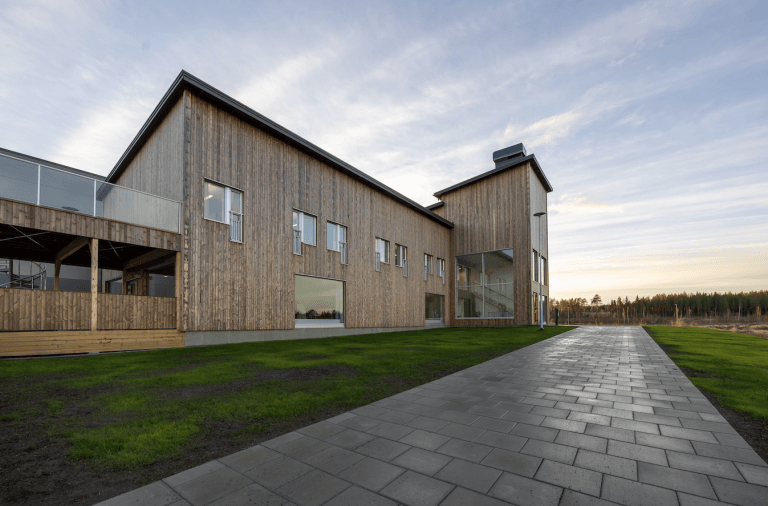
Jussi Minkkinen is Fumex’s new Production Manager – “I am driven by continuous improvement”

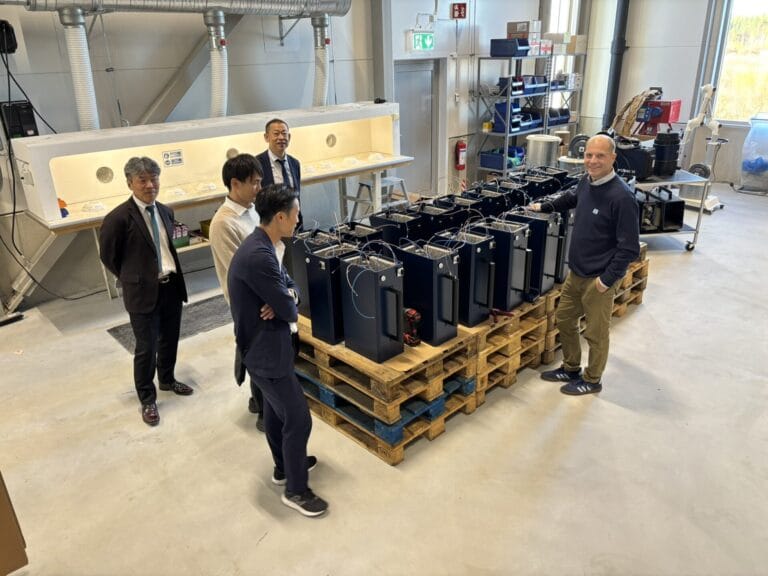
Japanese Dalton visits Fumex – focus on future cooperation
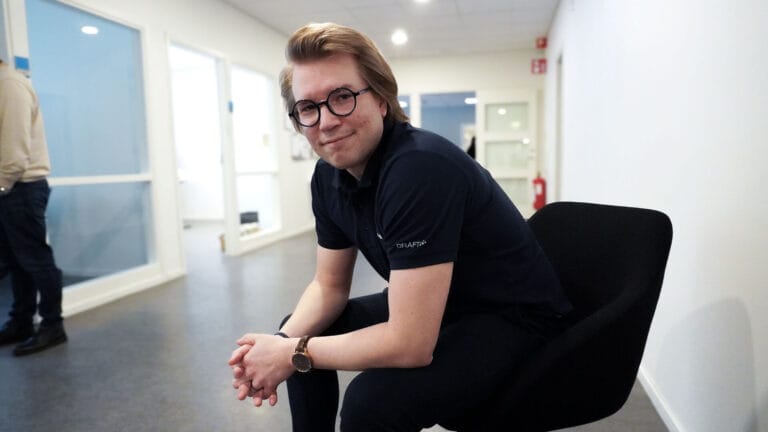
Introducing Mike Murphy – Movex’s new National Sales Manager

Opening ceremony for our new headquarters – See the pictures from the event!

Introducing Kenny Stenberg – ISO Coordinator at our parent company Fumex
Increasing the knowledge of environmental and social sustainability

Anders Hedlund takes the floor – “Trust me, there is a lot going on at Movex!”
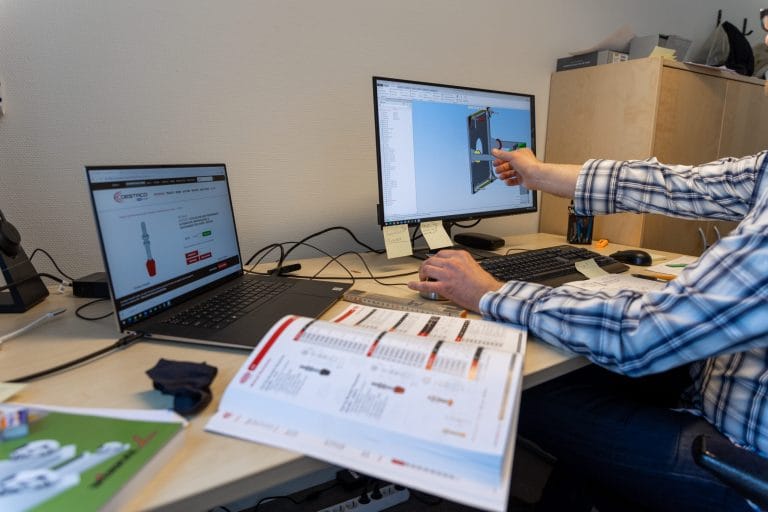
PRX – An effective “heavy duty” extraction arm
CV – Modular filter for both particles and gas
Capture Performance: Why Airflow Alone Does Not Determine Effective Extraction
Airflow is one of the most common specifications used when discussing laboratory extraction. An extraction point may require 40 CFM, 80 CFM or 150 CFM depending on the application. But knowing the airflow alone does not tell us whether airborne contaminants will actually be captured effectively. That depends on what happens outside the extraction arm, before the contaminated air reaches the hood.
Distance from the source, hood geometry, contaminant movement and surrounding air currents all influence capture performance.
That is why effective source extraction is about more than moving air. It is about controlling where that air moves.
Airflow is not the same as capture
CFM describes a volume of air moving through the extraction system.
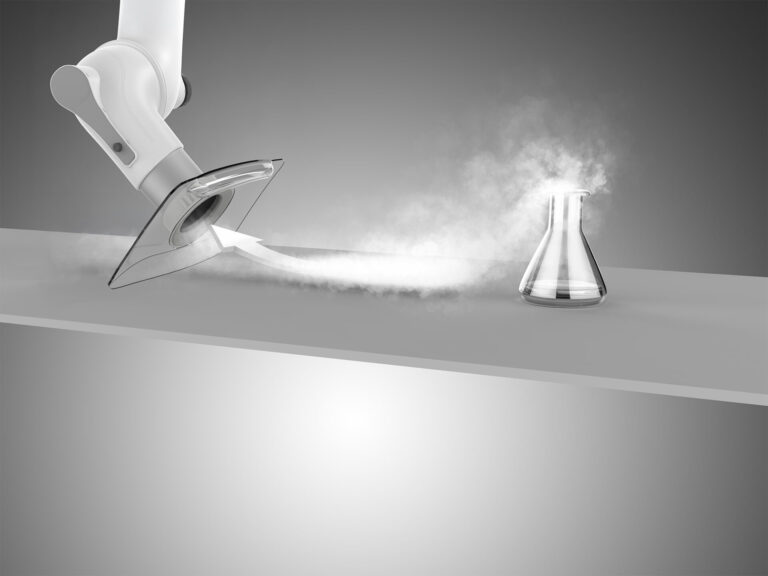
Capture is different. For an extraction arm to work effectively, the airflow entering the hood must influence the contaminated air strongly enough to move it away from the process and into the extraction system. That influence is strongest near the hood and decreases as the distance from the opening increases.
OSHA’s guidance on local exhaust ventilation emphasizes that capture hoods should be positioned close to the emission source. It also notes that one of the common misconceptions about local exhaust is that a hood can effectively draw contaminants from a significant distance away.
This means that simply increasing the airflow does not automatically correct poor hood positioning.
Distance matters
Consider an extraction arm positioned directly beside a small vapor source.
At that position, the hood only needs to influence the air across a relatively short distance.
Move the same hood farther away and the situation changes. The airflow is now drawing surrounding room air from a much larger area before it can influence the contaminant.
That makes distance one of the most important factors in source extraction.
For our ME extraction arms, we recommend keeping the extraction point close to the contaminant and using the arm’s flexibility to follow the work. Our product guidance uses approximately 2–3 times the extraction-tube diameter as a practical rule of thumb when the arm is operating at the recommended airflow.
This is a product-specific guideline rather than a universal capture distance. The actual requirements also depend on hood geometry, contaminant behavior and the surrounding airflow.
Hood geometry changes the capture zone
The opening at the end of the extraction arm is not simply a cosmetic choice.
Its geometry influences how the surrounding air is drawn toward the extraction point.
That is why the ME series offers several different hoods and suction nozzles rather than one universal design.
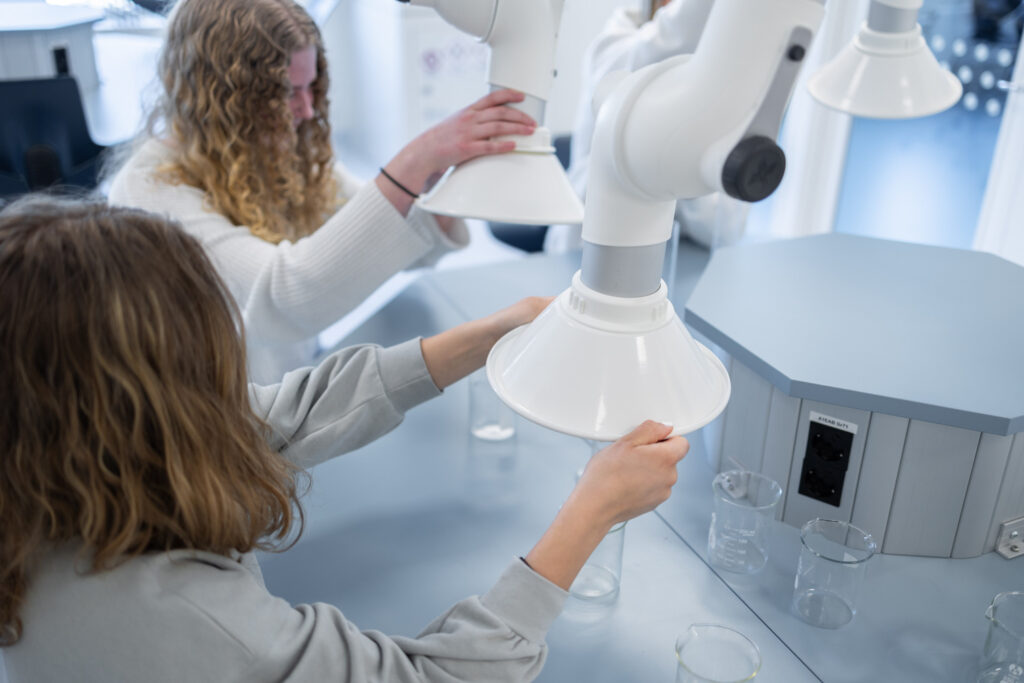
MEK dome hood
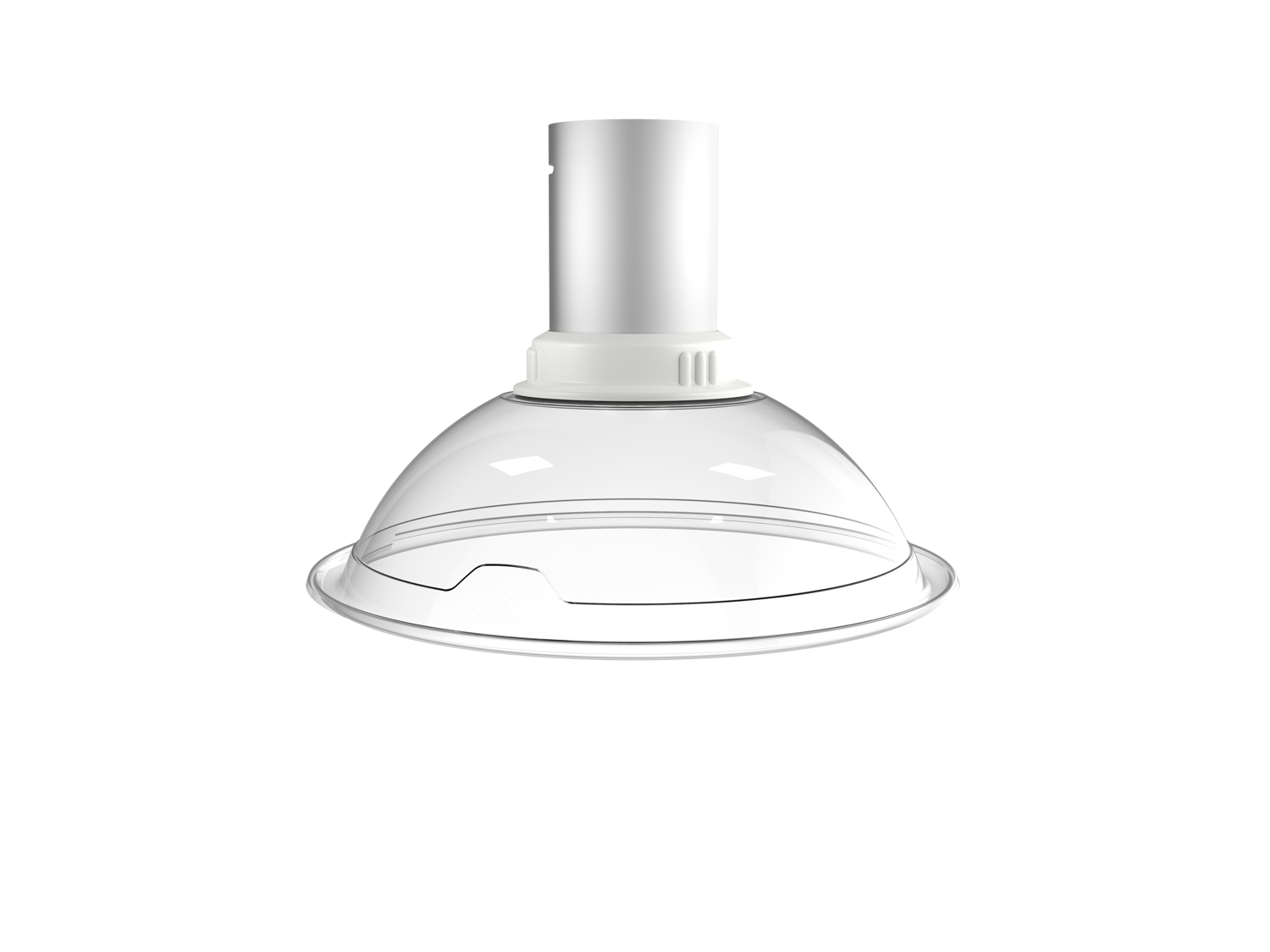
The MEK dome hood is suited to gases with upward movement.
Its larger shape allows the hood to completely or partially cover the contaminant source without unnecessarily blocking the user’s view.
This makes it useful when the contaminant naturally moves toward the hood.
MEPH flat screen hood
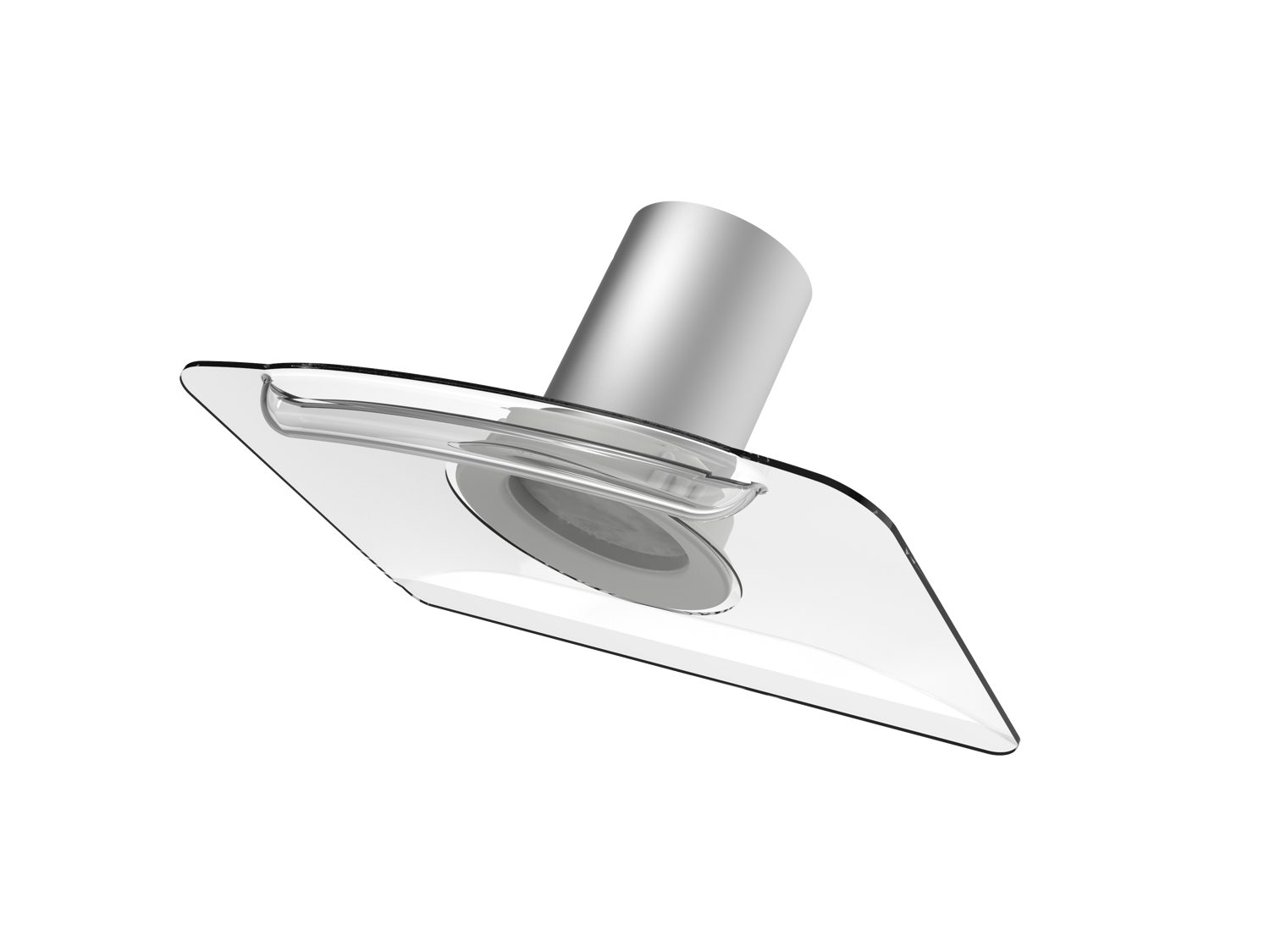
The MEPH flat screen hood is designed for table and bench work.
Its geometry provides a larger capture area while allowing the user to continue working in front of the hood without the extraction device unnecessarily taking over the workspace.
MESH square hood
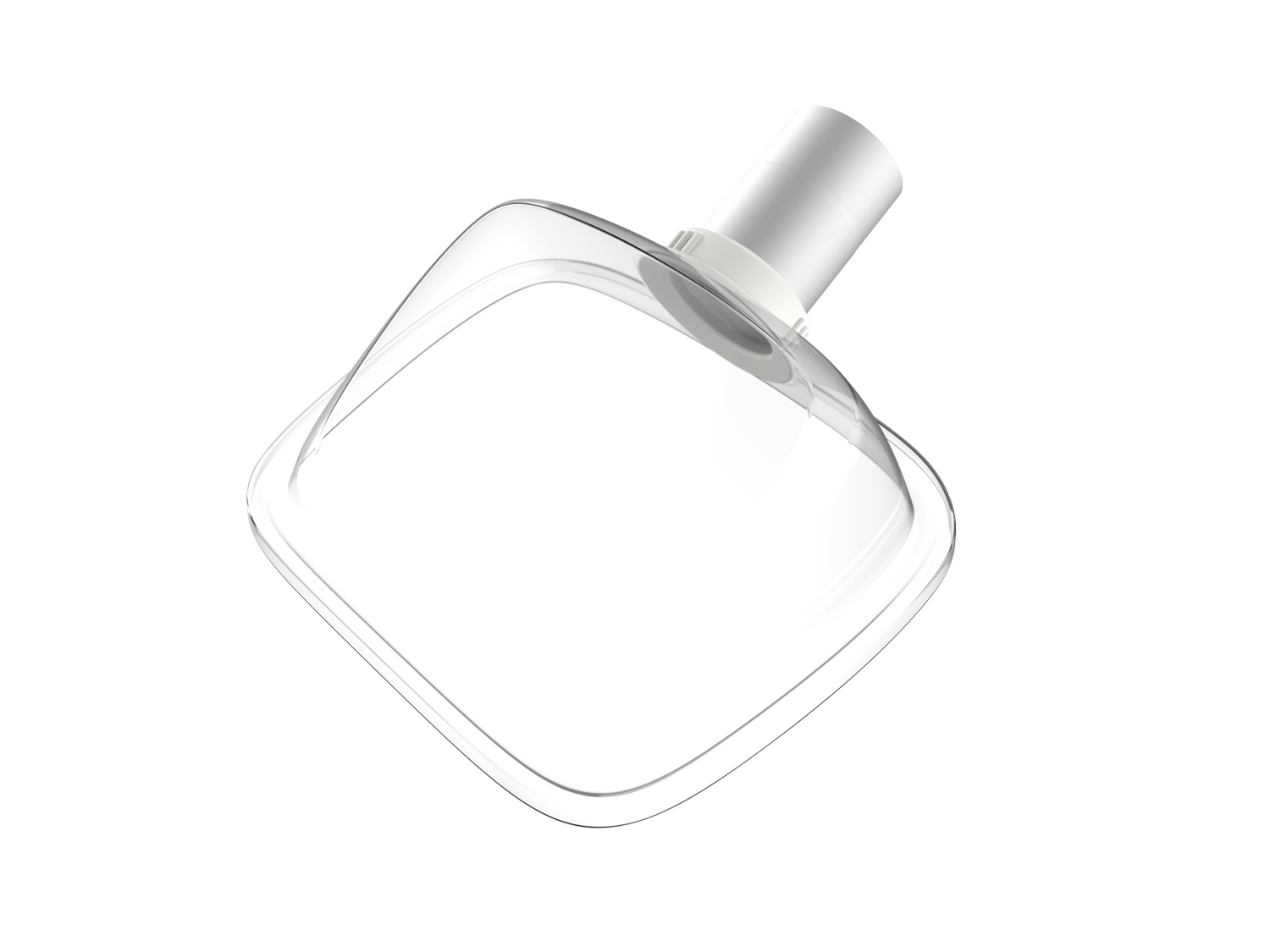
The MESH square hood can be positioned above contaminants with upward movement or beside the work surface when there is little natural upward movement.
This gives another option when the process does not suit a dome or flat-screen configuration.
MES suction nozzle
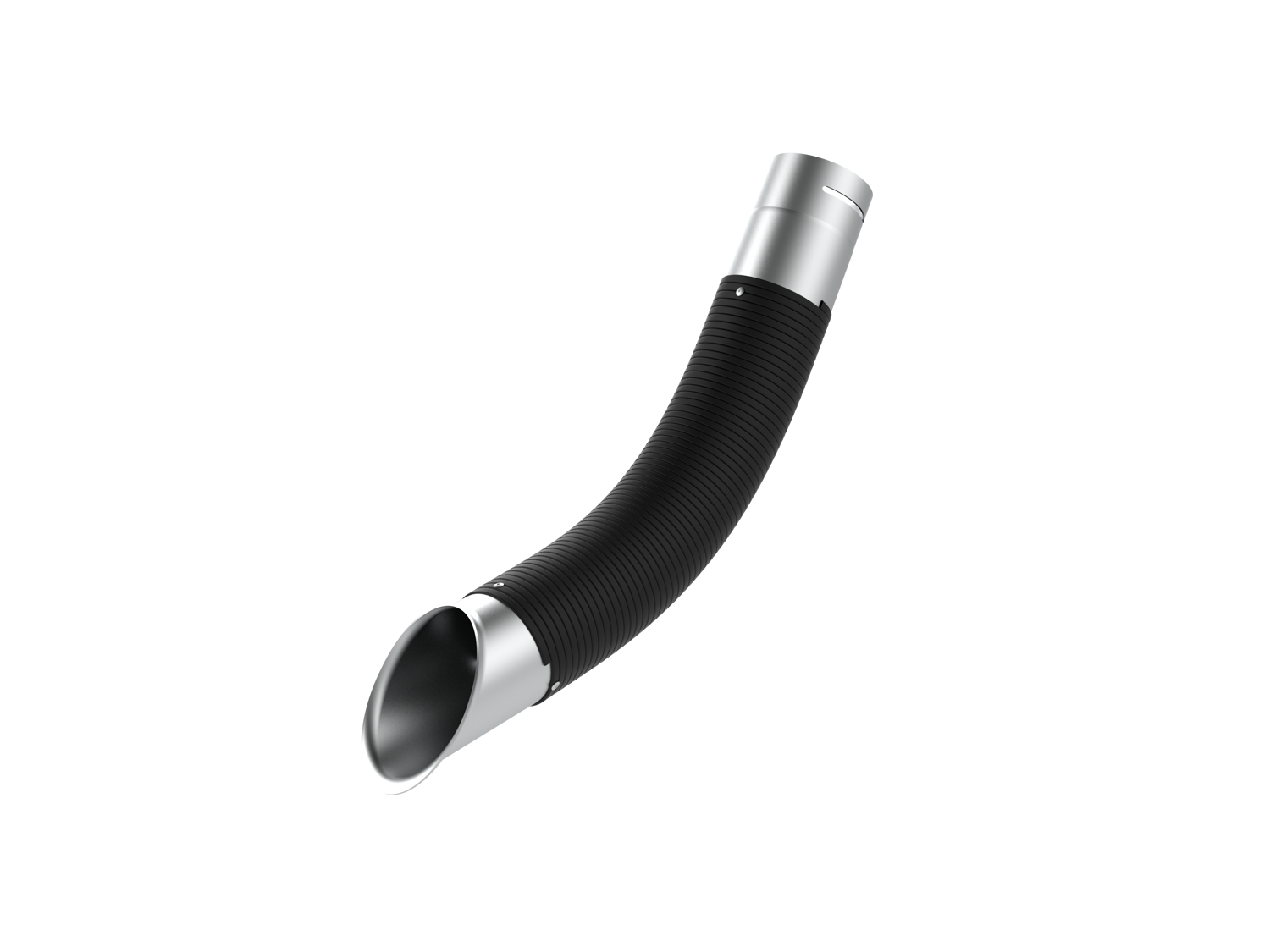
Sometimes the most effective approach is not a larger hood.
When the extraction point can be positioned very close to a small, localized source, the MES suction nozzle provides a compact solution designed to get close without unnecessarily interfering with the work.
MEM metal hood
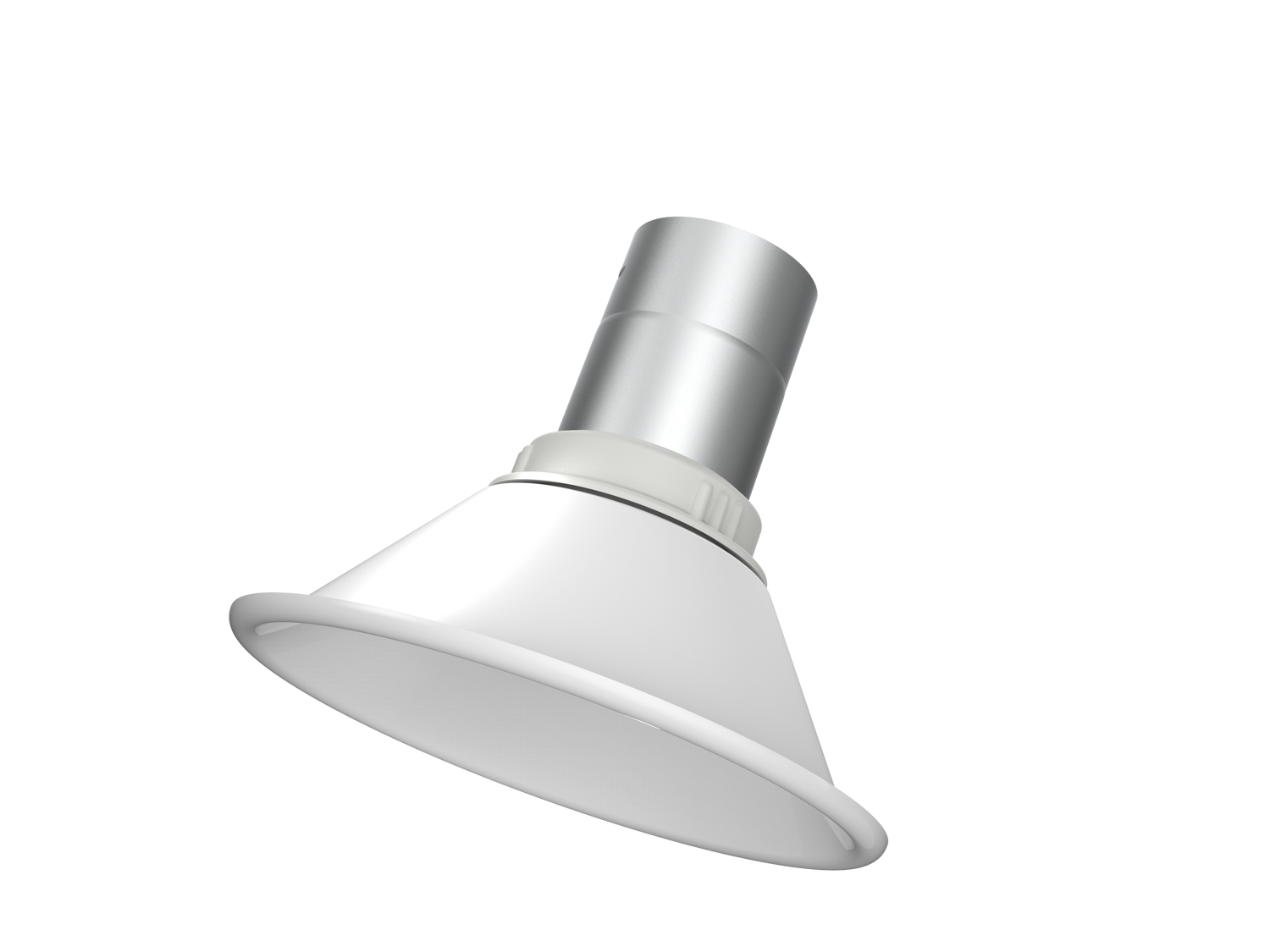
The MEM metal hood is designed for harsher laboratory applications where hot gases, dust or similar contaminants are generated.
Its metal construction makes it a suitable alternative when the process places higher demands on the capture device than a standard plastic hood can accommodate.
This makes MEM particularly relevant when the contaminant itself — not just the required airflow — influences the choice of hood.
The contaminant itself matters
Not every airborne contaminant behaves in the same way.
A heated contaminant can rise naturally. A vapor released close to a work surface may have very little natural upward movement. A process may generate the contaminant continuously, or only for a few seconds at a time.
The extraction point should therefore be positioned according to how the contaminant moves, rather than according to a fixed position that happens to be convenient for the installation.
The goal is to work with the natural movement of the contaminant whenever possible.
If the contaminant is already moving toward the hood, less effort is required to capture it than if the extraction system has to pull it across the workstation.
Avoid pulling contaminants through the breathing zone
Where the hood is positioned in relation to the user is just as important as its distance from the source.
The extraction path should move contaminated air away from the user.
If the source is on one side of the employee and the extraction hood is on the other, the contaminant may pass through the employee’s breathing zone before reaching the hood.
OSHA specifically recommends positioning local exhaust hoods so contaminants are not drawn through the worker’s breathing zone.
A good laboratory layout therefore considers three positions together:
Source → extraction point → user
Not just the source and the extraction arm.
Room air can disrupt capture
The extraction system is not operating in still air.
Supply-air diffusers, open doors, windows, nearby equipment and people moving through the room can all create air currents around the workstation.
If those currents are strong enough, they can move the contaminant away from the extraction point before it is captured.
OSHA notes that cross-drafts can significantly reduce the effectiveness of capture hoods, which is why hood design and positioning should account for the conditions around the process.
This is also why evaluating extraction under realistic working conditions is more useful than checking airflow at the duct and assuming the job is finished.
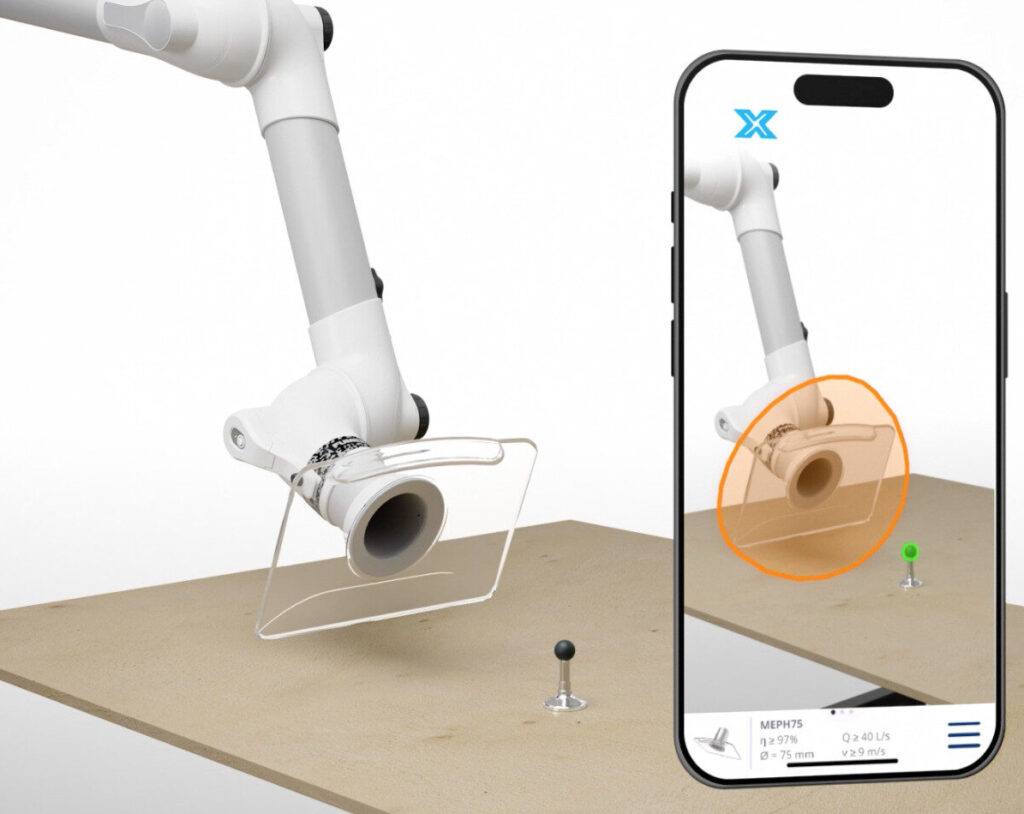
Think in terms of a capture zone
A useful way to think about local extraction is not simply as a hood pulling a certain number of CFM.
Instead, think about the capture zone around the hood.
Within that zone, the extraction system has enough influence over the surrounding air to move the contaminant toward the hood.
Outside that zone, room air movement can increasingly determine where the contaminant goes.
This concept is also reflected in EN 16589-1, the European product standard for articulated laboratory extraction arms.
The standard includes methods for evaluating the three-dimensional capture zone of an extraction arm as well as capture efficiency and robustness when the extraction point is exposed to disturbing airflow.
EN 16589-1 is not a U.S. regulatory requirement. However, the underlying principle is relevant to laboratory design anywhere: effective extraction should be evaluated by what it captures, not simply by the amount of air moving through the duct.
Why flexibility and positional stability matter
If the extraction arm has to remain close to the process, it needs to be easy to reposition.
Laboratory work changes throughout the day. Containers move, instruments are repositioned and different parts of the work surface are used.
An extraction arm that is difficult to move may gradually end up farther from the source simply because the operator stops adjusting it.
An arm that moves easily but does not remain where it is placed creates a different problem.
This is why our ME design combines flexibility with positional stability. The arm can be moved as the work changes and then remain in the selected position.
Ergonomics and capture performance are closely connected: the easier the extractor is to position correctly, the more likely it is to be used correctly.
More airflow is not always the answer
When capture is poor, increasing airflow may seem like the obvious solution.
Sometimes additional airflow is necessary.
But before increasing CFM, it is worth checking the basics:
- Is the extraction point close enough to the source?
- Is the hood appropriate for the contaminant and process?
- Is the contaminant being drawn away from the user’s breathing zone?
- Are surrounding air currents disrupting capture?
- Can the user position the arm correctly throughout the task?
Correcting one of these conditions can sometimes improve capture without increasing the amount of air that has to be moved through the entire ventilation system.
That matters for both extraction performance and energy use.
Design around the source
Good laboratory extraction starts at the point where the contaminant is generated.
Airflow matters, but it works together with distance, hood geometry, positioning, contaminant behavior and the surrounding environment.
Our ME series provides multiple arm sizes and a wide selection of hoods and suction nozzles so the capture point can be configured around the actual laboratory process rather than forcing every application into the same solution.
The objective is simple: Capture the contaminant where it is generated — before it spreads into the laboratory.
Need help selecting the right hood or extraction configuration?
Tell us about your process and workstation. We can help you choose the extraction arm, hood and configuration that fits the application.