Here you can read the latest news from Fumex.
Materials Matter: Choosing Extraction Equipment for Different Laboratory Processes
5 Common Design Mistakes in Laboratory Extraction Systems
Capture Performance: Why Airflow Alone Does Not Determine Effective Extraction
Pressure Drop and Energy Use in Laboratory Extraction Systems
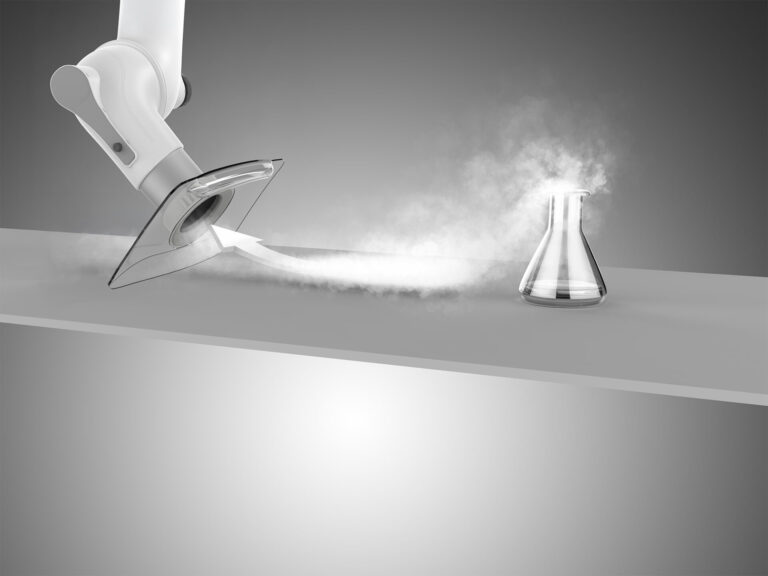
How to Select the Right Extraction Arm for Your Laboratory
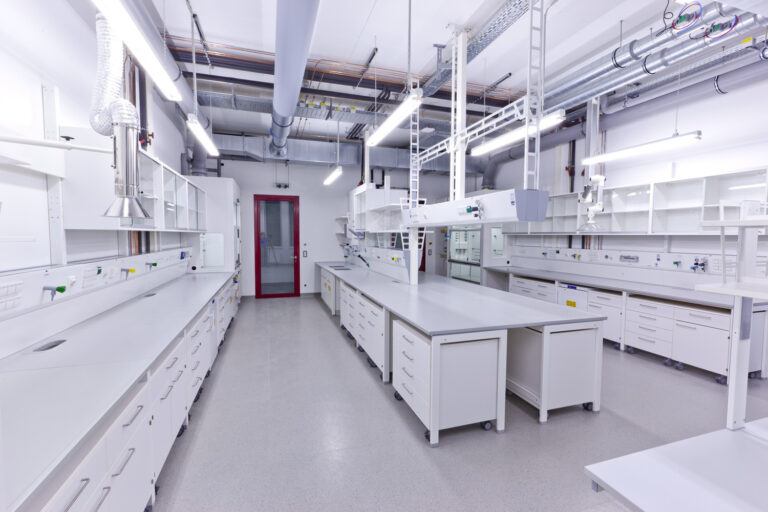
“A little better every day” – Anders Hedlund reflects on his journey with Fumex
Meet Movex at I2SL 2026 in Boston – Booth 311
What EX means — and why it matters in extraction
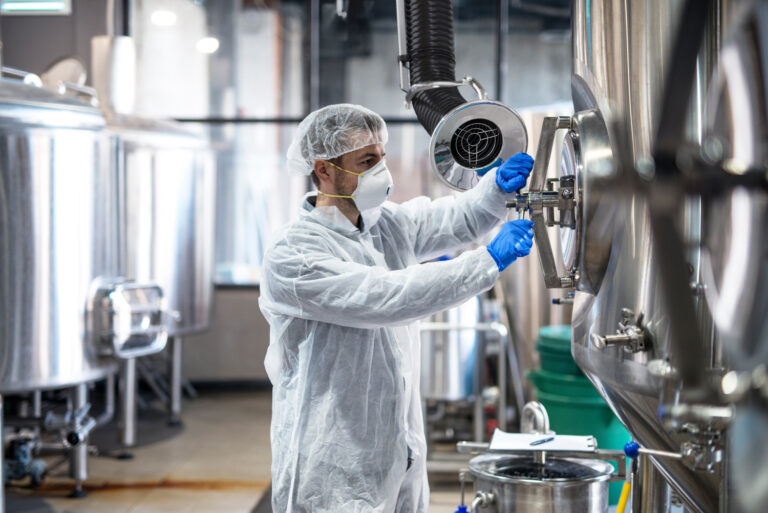
Why you need industrial source extraction
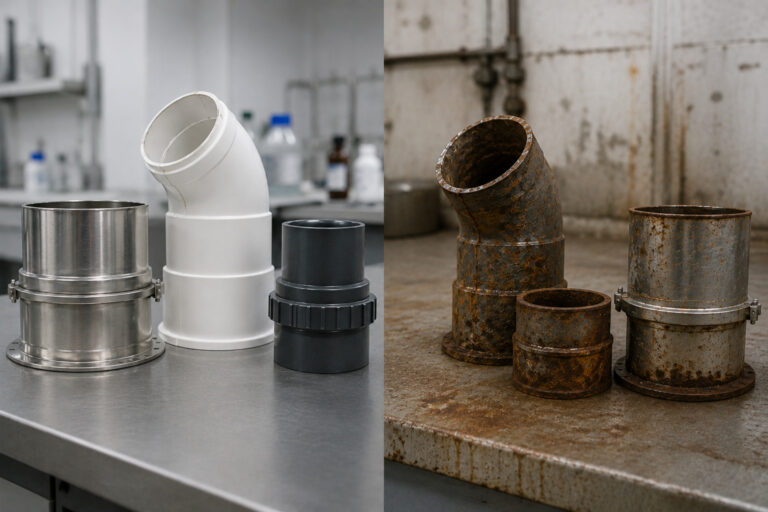
Why material selection matters in corrosive environments
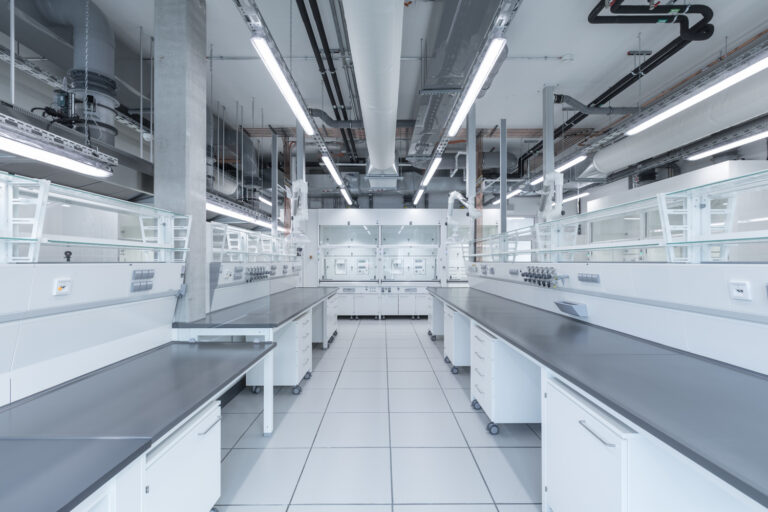
Source Extraction in Laboratories: Precision Where It Matters
Opening hours during the summer

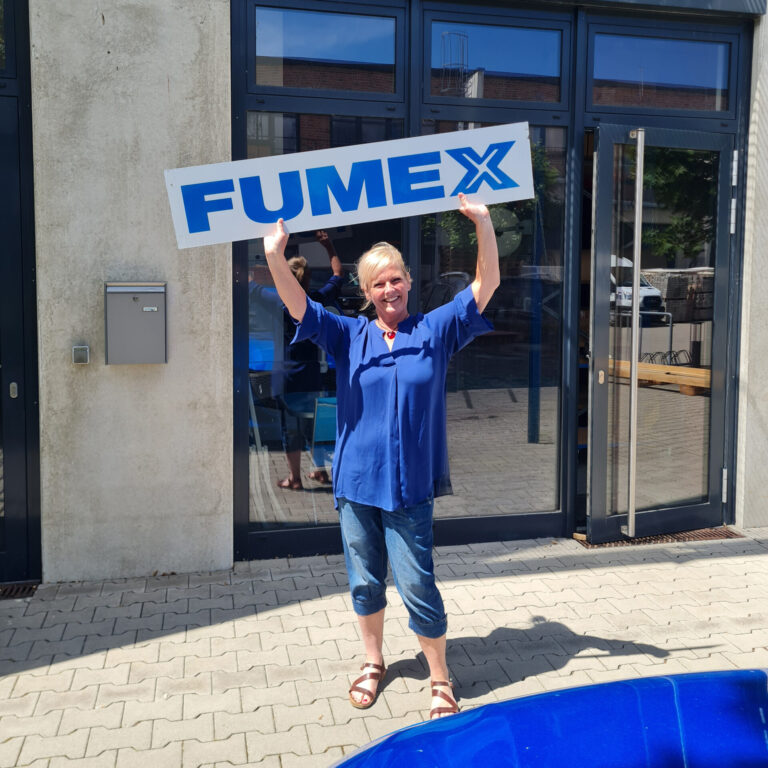
New at Fumex GmbH – Jeaneth is already an important part of the team
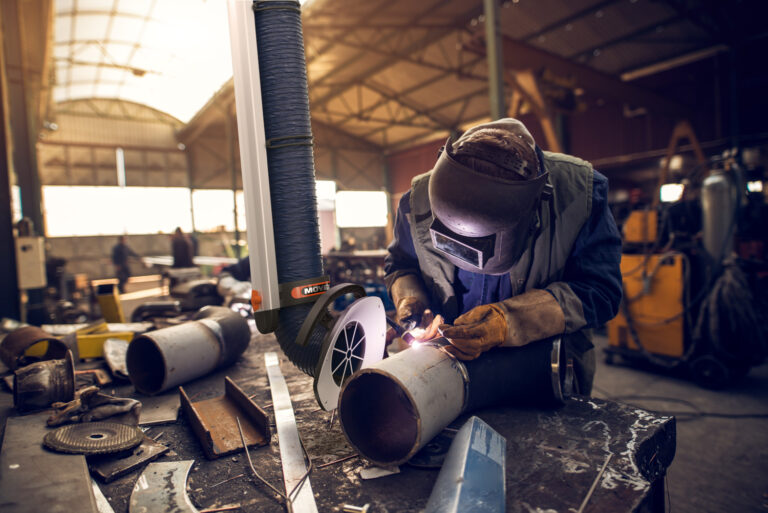
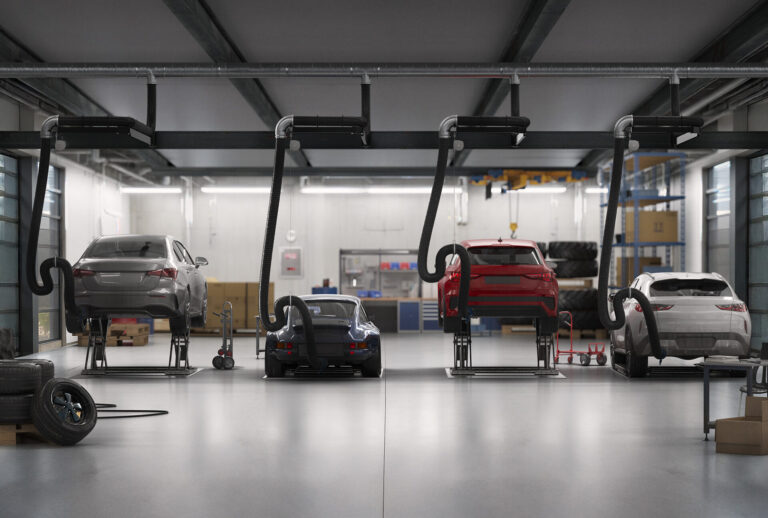
Why local extraction is essential for vehicle exhaust and welding fumes
Welcome to the open house on Saturday, November 9
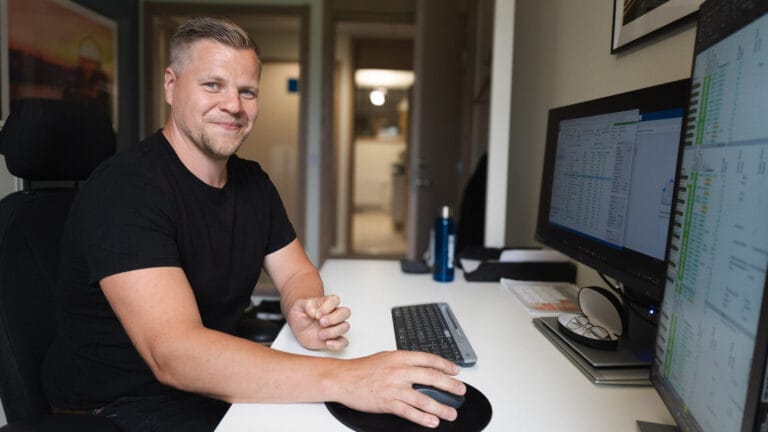
Jussi Minkkinen is Fumex’s new Production Manager – “I am driven by continuous improvement”
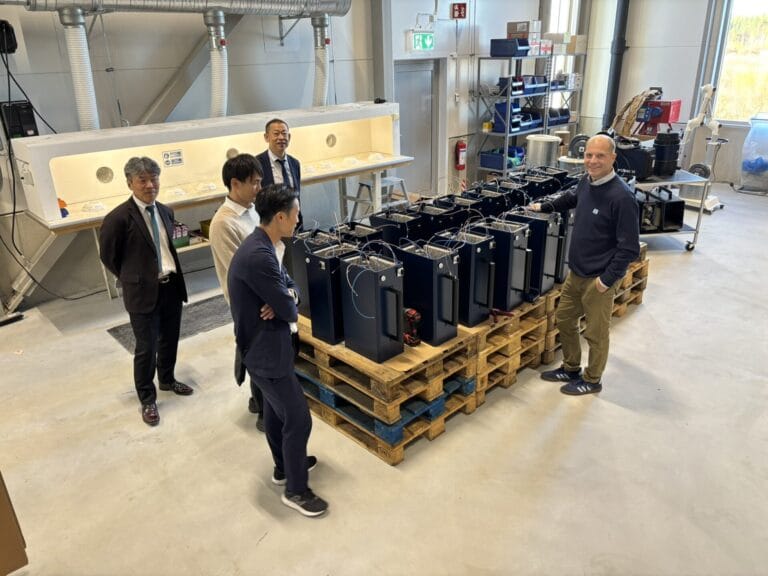
Japanese Dalton visits Fumex – focus on future cooperation
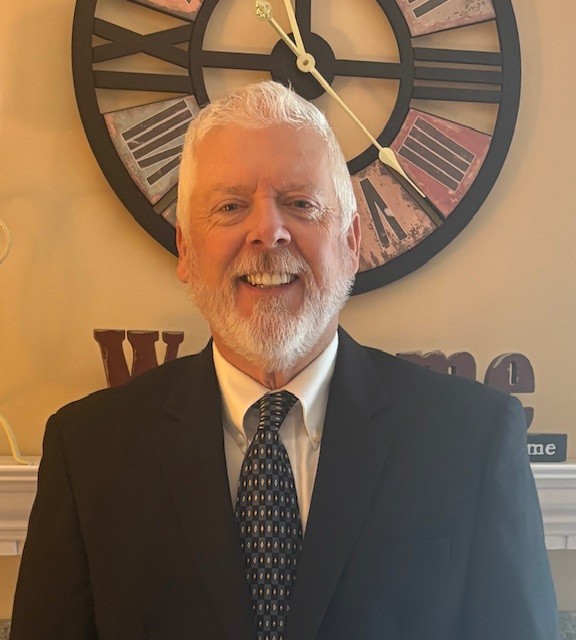
Introducing Mike Murphy – Movex’s new National Sales Manager
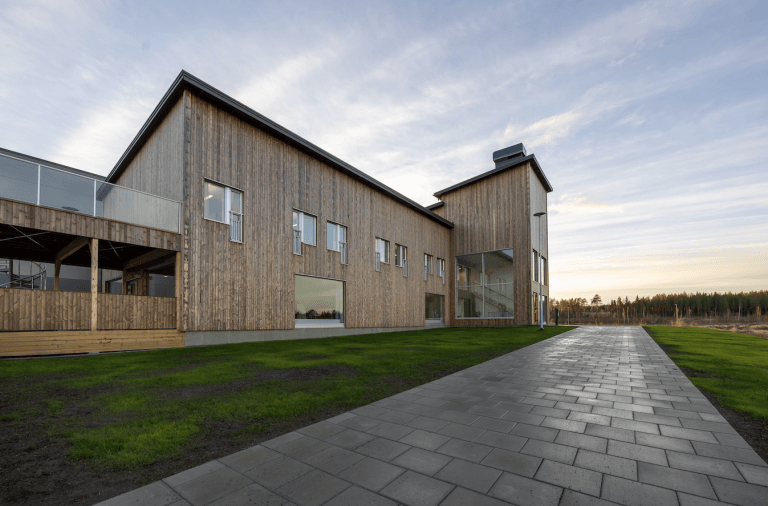
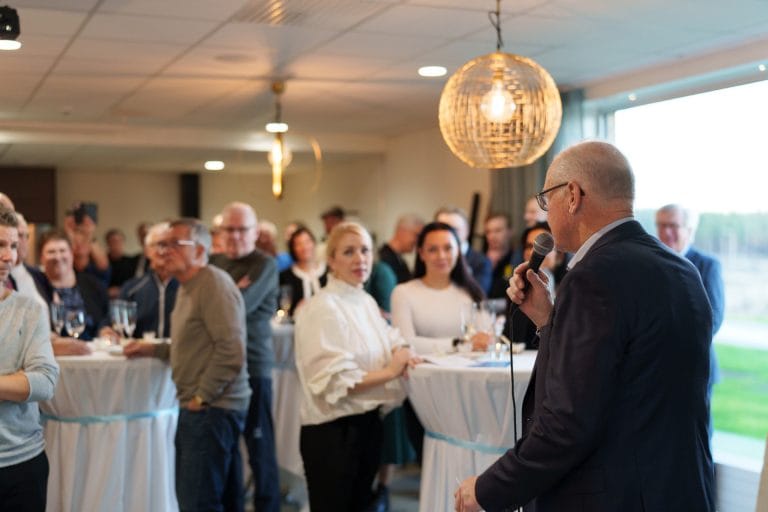
Opening ceremony for our new headquarters – See the pictures from the event!
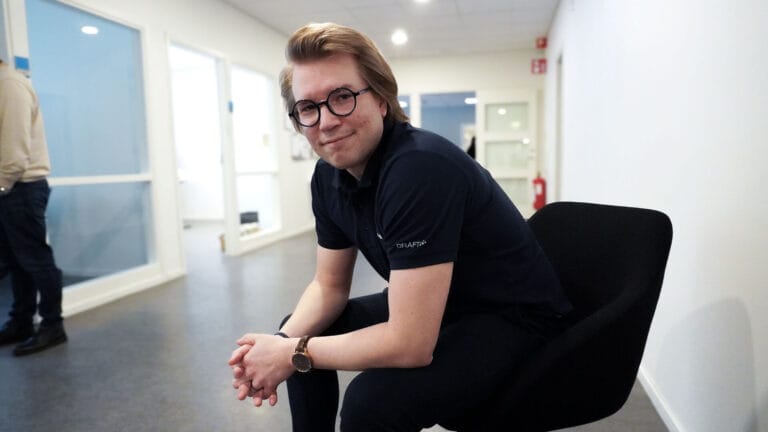
Introducing Kenny Stenberg – ISO Coordinator at our parent company Fumex
Increasing the knowledge of environmental and social sustainability

Anders Hedlund takes the floor – “Trust me, there is a lot going on at Movex!”
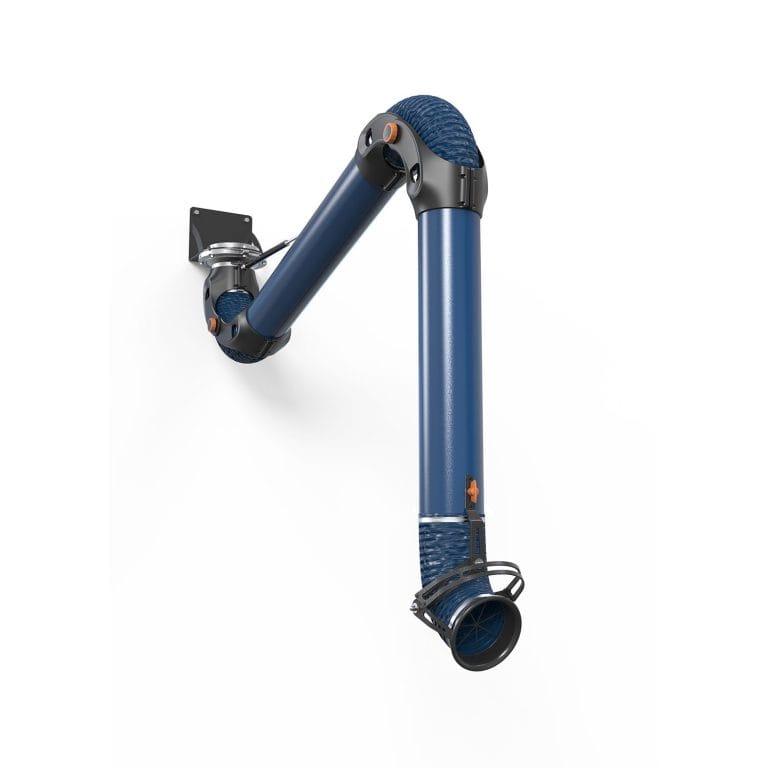
PRX – An effective “heavy duty” extraction arm
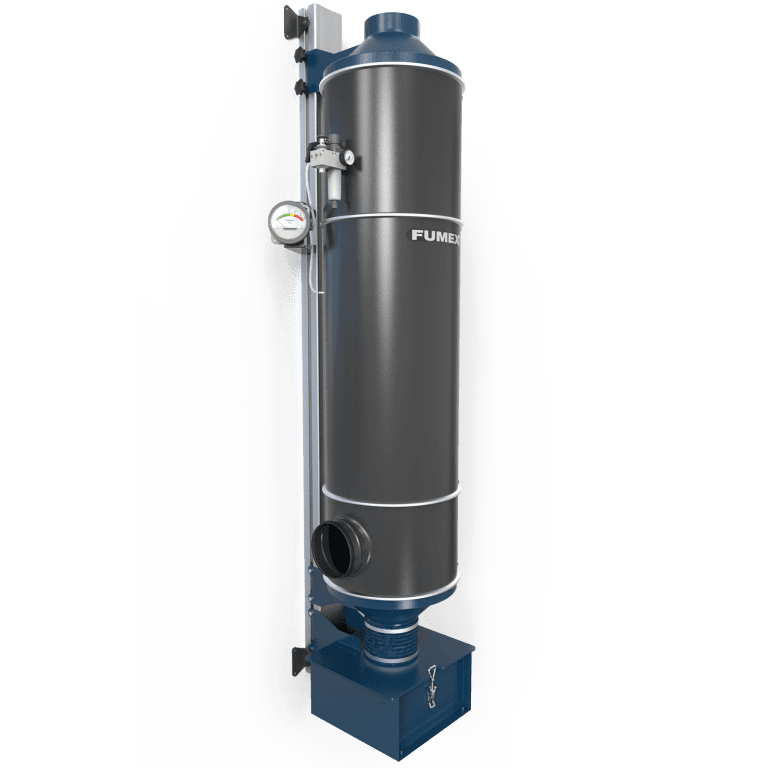
CV – Modular filter for both particles and gas
When the right expertise meets the right idea: the Fumex augmented reality app
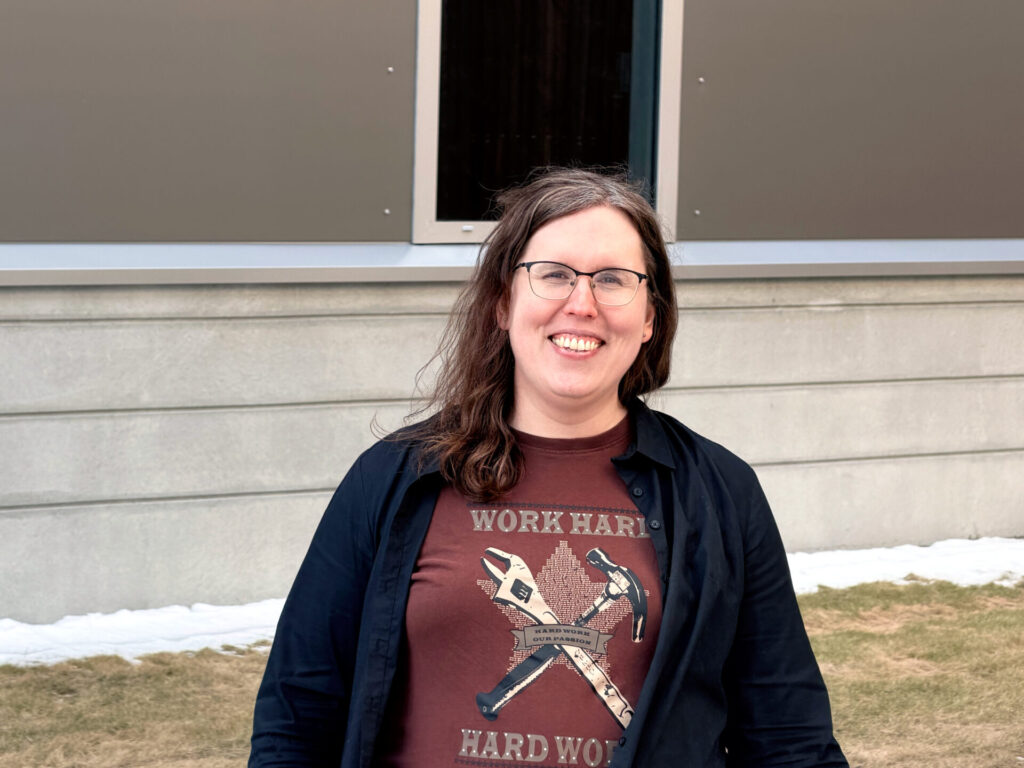
How do you make a technical standard understandable in practice? At Fumex, it started with an idea and became reality through the right expertise. With a unique combination of programming and mechanical engineering, Mona Marklund has developed the Fumex App, an AR solution that visualizes what previously could only be interpreted through diagrams.
Fumex and its subsidiary Movex Inc work closely together, and although the solution is developed within this group structure, the application carries the Fumex name as part of the overall product offering.
In connection with the new laboratory standard EN 16589-1:2022, Fumex had a clear vision: to develop a solution that not only meets the requirements, but also makes them understandable and usable in practice.
The laboratory standard defines how extraction arms should be tested and documented, focusing on aspects such as capture zone, capture efficiency, and reach. CTO Lars Hedlund recognized early on the potential of using augmented reality as a tool to meet the standard, but how it would work in practice was still unclear.
A specialized combination of expertise
When Mona Marklund arrived to begin her thesis project, she brought with her an unusual combination of experience. She was already a trained programmer with a background in game development. She also has experience from the gaming industry in Germany, where she worked as a programmer after completing her studies.
“After my education, I had the opportunity to move to Berlin and work as a game programmer. It was a very valuable experience, but after a while I felt that I wanted to work on something more concrete and practical.”
This led her back to Skellefteå, where she chose to continue her studies in mechanical engineering. This expertise, combined with her programming background, became central to a project that requires an understanding of calculations, flows, and system behavior.
“I already had programming and linear algebra, and with mechanical engineering I could understand flows, pressure drops, and how the systems actually work. That was exactly the combination needed here.”
From thesis project to finished product
What began as a thesis on using augmented reality to analyze the relationship between a gas source and local exhaust quickly grew into something bigger. When the potential became clear, the project continued as a fixed term position, where Mona had the opportunity to fully develop the solution.
The result today is the Fumex App, a digital tool that helps users position extraction correctly. The app is part of a complete solution that Fumex will launch during 2026, with a focus on improving working environments and safety in laboratories.
For laboratory staff, this is critical. Incorrectly positioned extraction arms or insufficient airflow can mean that hazardous substances are not captured as they should be, affecting the work environment, health, and safety. At the same time, it is often difficult in practice to determine exactly how an extraction arm should be positioned or whether it is functioning optimally.
Technology that makes the standard understandable
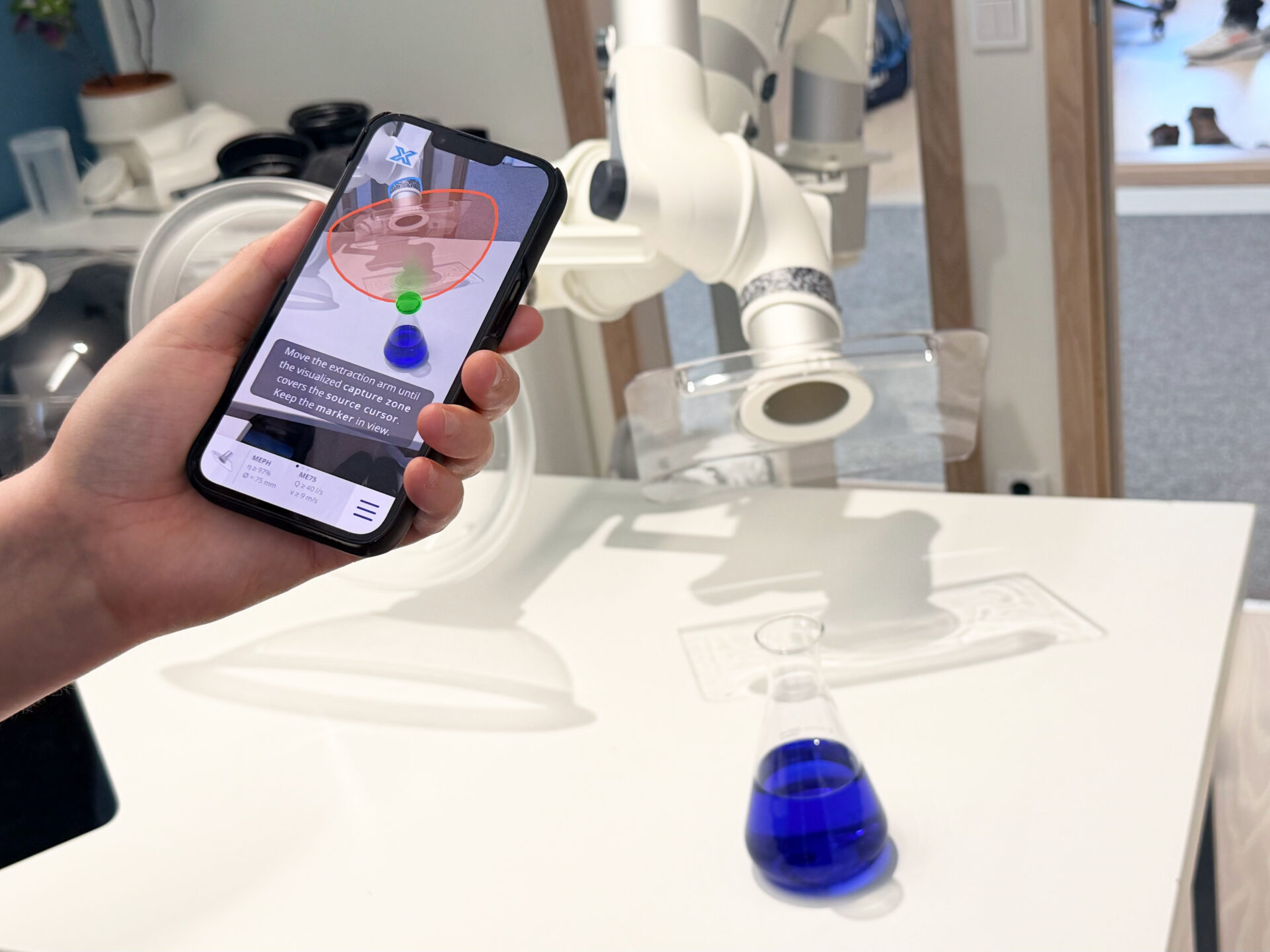
This is where the Fumex App makes a difference. By using a mobile camera and augmented reality, the effective capture volume is visualized directly in the room. Instead of a simplified two dimensional graph, the user gets a dynamic 3D representation that relates to real objects and distances.
“The standard essentially only shows a simplified side view. We have developed 3D models of the actual capture volume and display them directly in the real environment.”
Behind this is a combination of real time calculations and geometric modeling. The app interprets the camera image, identifies reference points, and calculates how the extraction arm’s direction and position relate to the gas source.
“You need to know exactly what is in front of and behind the hood, how it is oriented, and how it rotates in space. I use a lot of linear algebra there to make everything behave correctly.”
Challenges behind the scenes
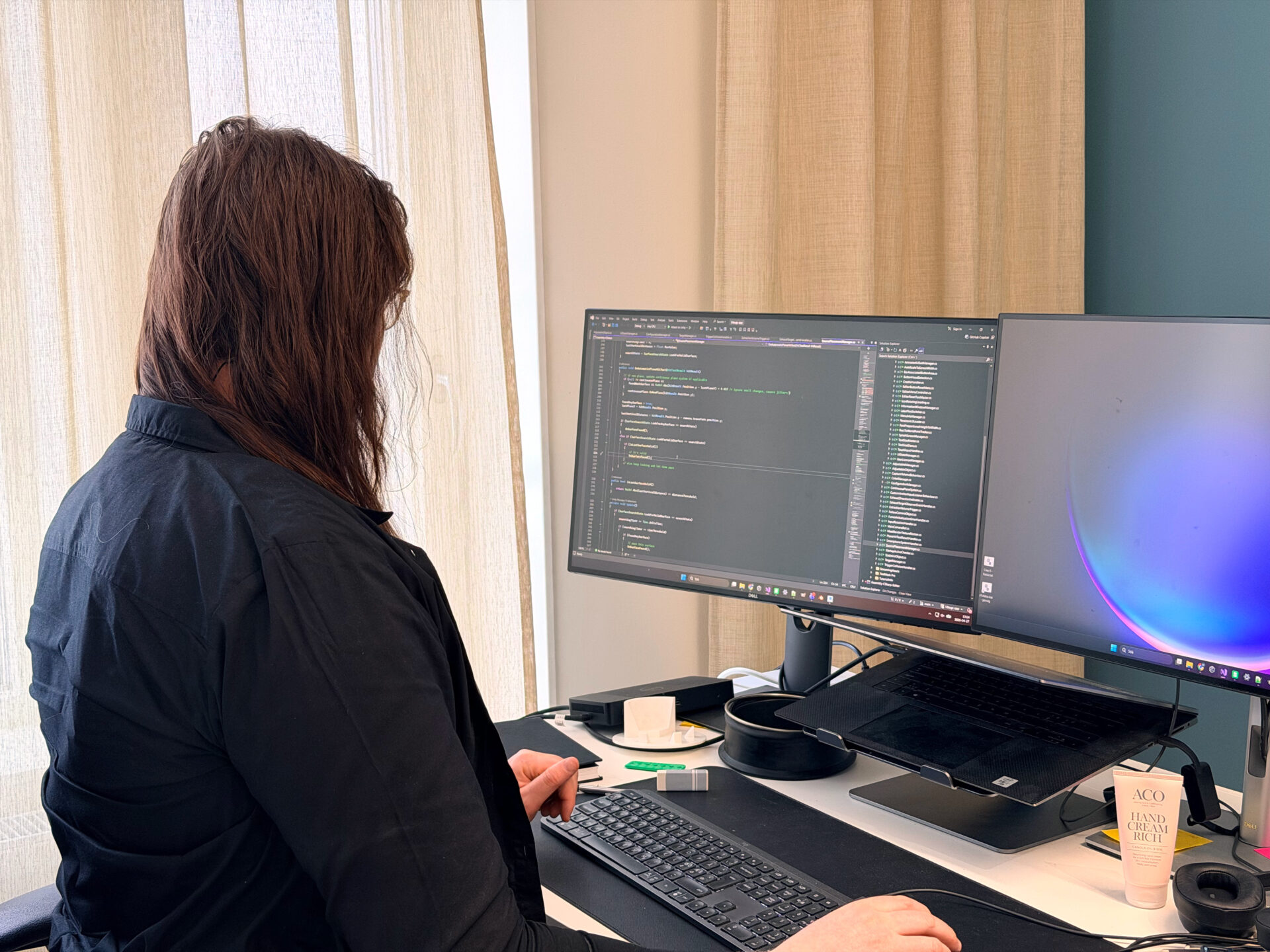
Getting the technology to work reliably in a real environment was one of the biggest challenges, especially ensuring that digital objects remain correctly positioned in the room as the user moves.
“It’s largely about getting the coordinate systems right, making sure that what you place in AR actually stays in the correct position and behaves consistently.”
Another challenge was how the user interacts with the system. Early on, more advanced features were tested, such as automatic identification of gas sources via the camera image.
“We actually got the automatic identification working technically. The app could detect the tabletop and locate objects. But it became too complex to make it sufficiently user friendly.”
Instead, a more robust solution was chosen, where the user manually marks the source, a compromise that increased reliability.
Even details like visual markers required careful development. A seemingly simple component like the marker for the extraction arm proved to be crucial for precision.
“We tested different solutions, but ultimately landed on a cylindrical marker on the extraction arm. It is more stable and provides a clearer reference point in the room.”
A solution that stands out
As the sole developer, Mona was responsible for the entire implementation, from structure to finished functionality. This meant that every technical solution also had to be weighed against time, resources, and usability.
The project has resulted in a patent application, and when the app has been demonstrated at international trade fairs, users have been able to test it with very positive feedback.
“It has involved a lot of problem solving where you don’t initially know if something is even possible. But you keep working, and eventually you find a solution.”
Looking ahead
Now that the project employment is coming to an end, Mona is looking forward to the next step in her career. With her background, she sees clear opportunities to continue working in areas where her combined expertise can be applied.
“With this combination, I could for example work on programming automation processes, but also robot arms and motorized systems with multiple degrees of freedom. That is something I really want to do going forward.”
Fumex plans to launch the app in connection with the introduction of the new ME variant, MEL, which will be the first product supported by the app. MEL also includes the flow alarm MEFA, a new Fumex product that monitors airflow and triggers alerts in case of deviations, as well as the marker for the AR app.
MEL is developed based on the same laboratory standard and, together with the Fumex App, forms a package that helps users both position extraction correctly and ensure that performance is maintained over time.
In the initial phase, the app will support MEL with diameters of 75 and 100 mm, with three hoods available for MEL 75 and four hoods for MEL 100.