Here you can read the latest news from Fumex.
Materials Matter: Choosing Extraction Equipment for Different Laboratory Processes
5 Common Design Mistakes in Laboratory Extraction Systems
Capture Performance: Why Airflow Alone Does Not Determine Effective Extraction

Pressure Drop and Energy Use in Laboratory Extraction Systems
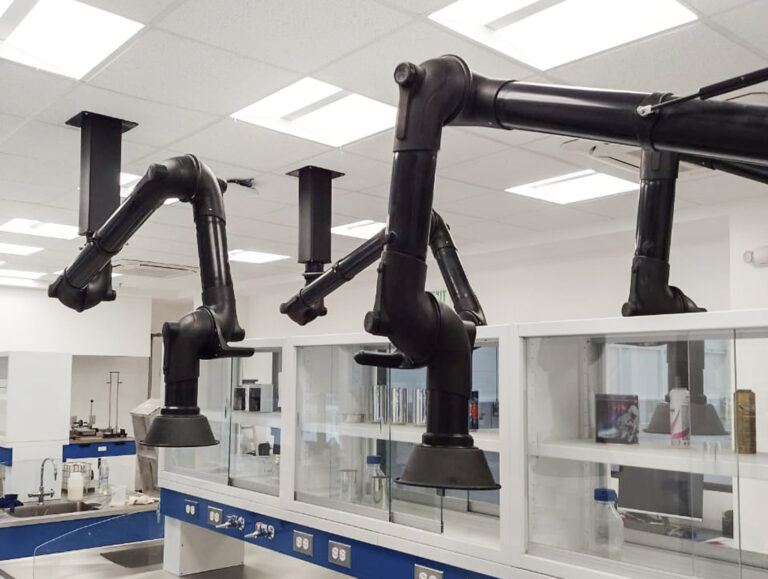
How to Select the Right Extraction Arm for Your Laboratory
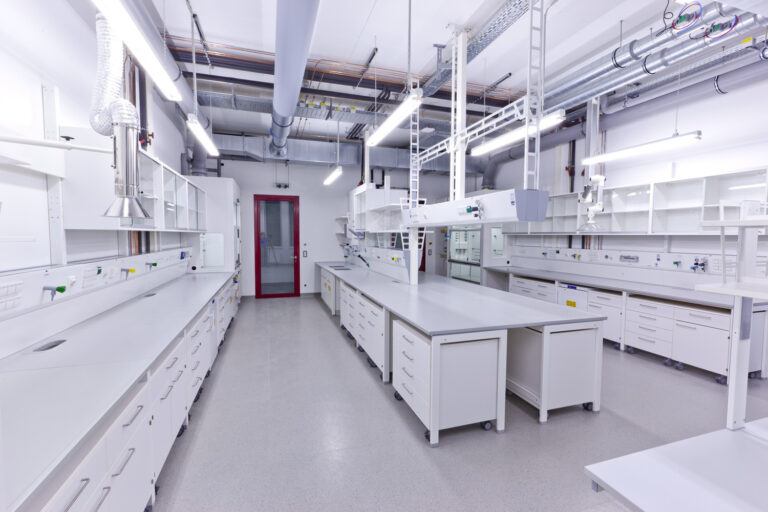
“A little better every day” – Anders Hedlund reflects on his journey with Fumex

Meet Movex at I2SL 2026 in Boston – Booth 311
What EX means — and why it matters in extraction
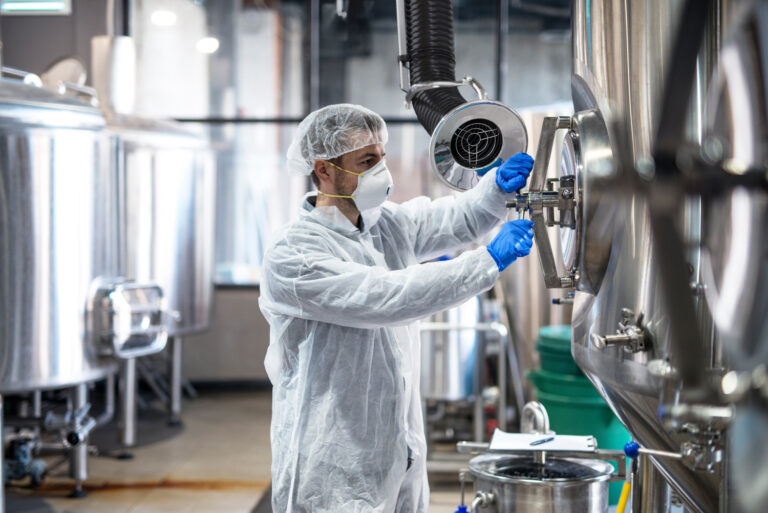
Why you need industrial source extraction
Source Extraction in Laboratories: Precision Where It Matters
Opening hours during the summer

New at Fumex GmbH – Jeaneth is already an important part of the team
When the right expertise meets the right idea: the Fumex augmented reality app

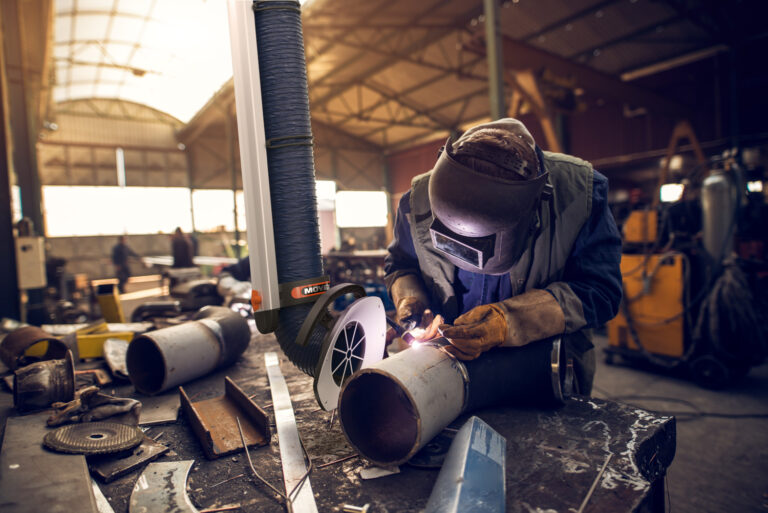
Why local extraction is essential for vehicle exhaust and welding fumes
Welcome to the open house on Saturday, November 9

Jussi Minkkinen is Fumex’s new Production Manager – “I am driven by continuous improvement”

Japanese Dalton visits Fumex – focus on future cooperation
Introducing Mike Murphy – Movex’s new National Sales Manager

Opening ceremony for our new headquarters – See the pictures from the event!

Introducing Kenny Stenberg – ISO Coordinator at our parent company Fumex

Increasing the knowledge of environmental and social sustainability

Anders Hedlund takes the floor – “Trust me, there is a lot going on at Movex!”
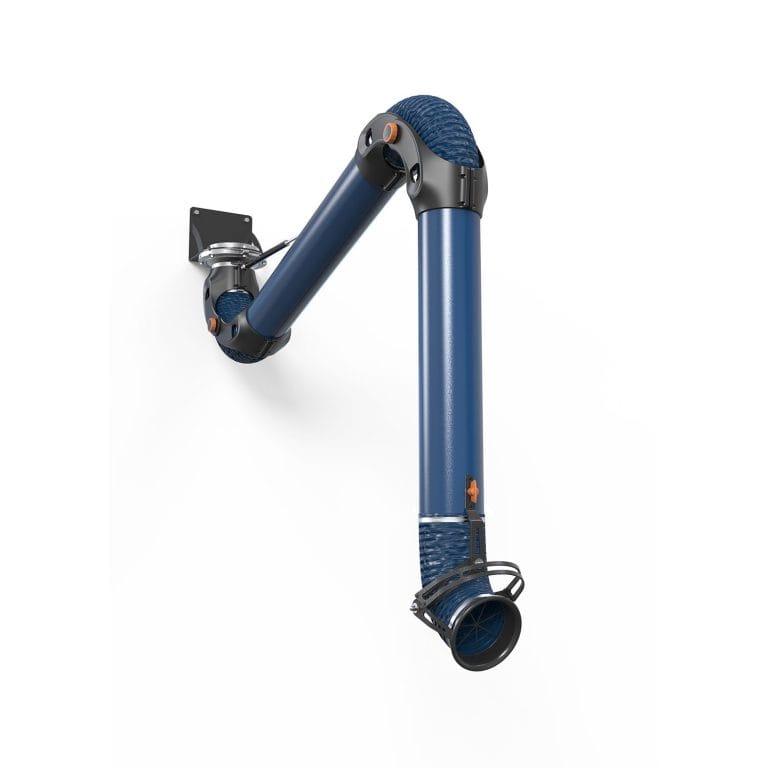
PRX – An effective “heavy duty” extraction arm
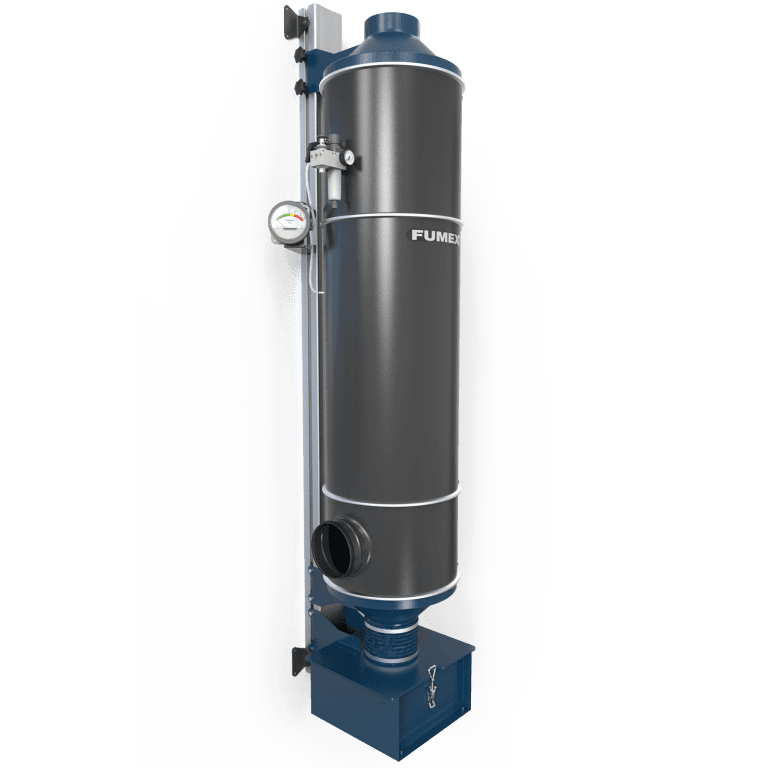
CV – Modular filter for both particles and gas
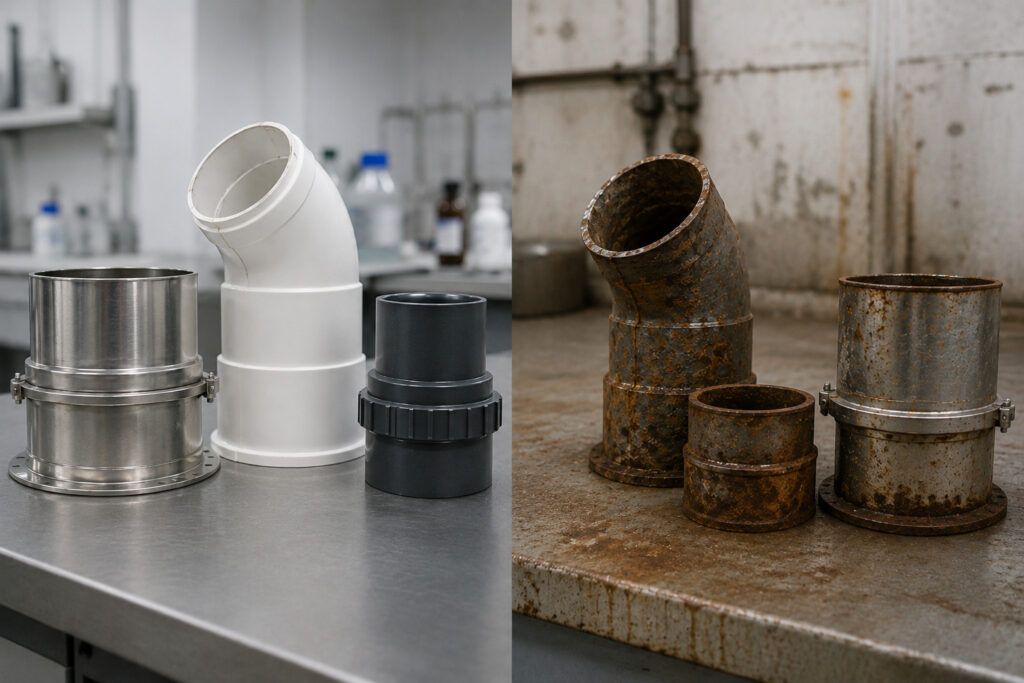
Why material selection matters in corrosive environments
In extraction projects, airflow often gets the most attention. But in corrosive environments, moving air is only part of the solution.
When chemical fumes, aggressive vapors, acids, solvents, or other corrosive substances are present, the materials in the extraction system matter just as much. The wrong material choice can affect performance, increase maintenance needs, and shorten service life.
What is a corrosive environment?
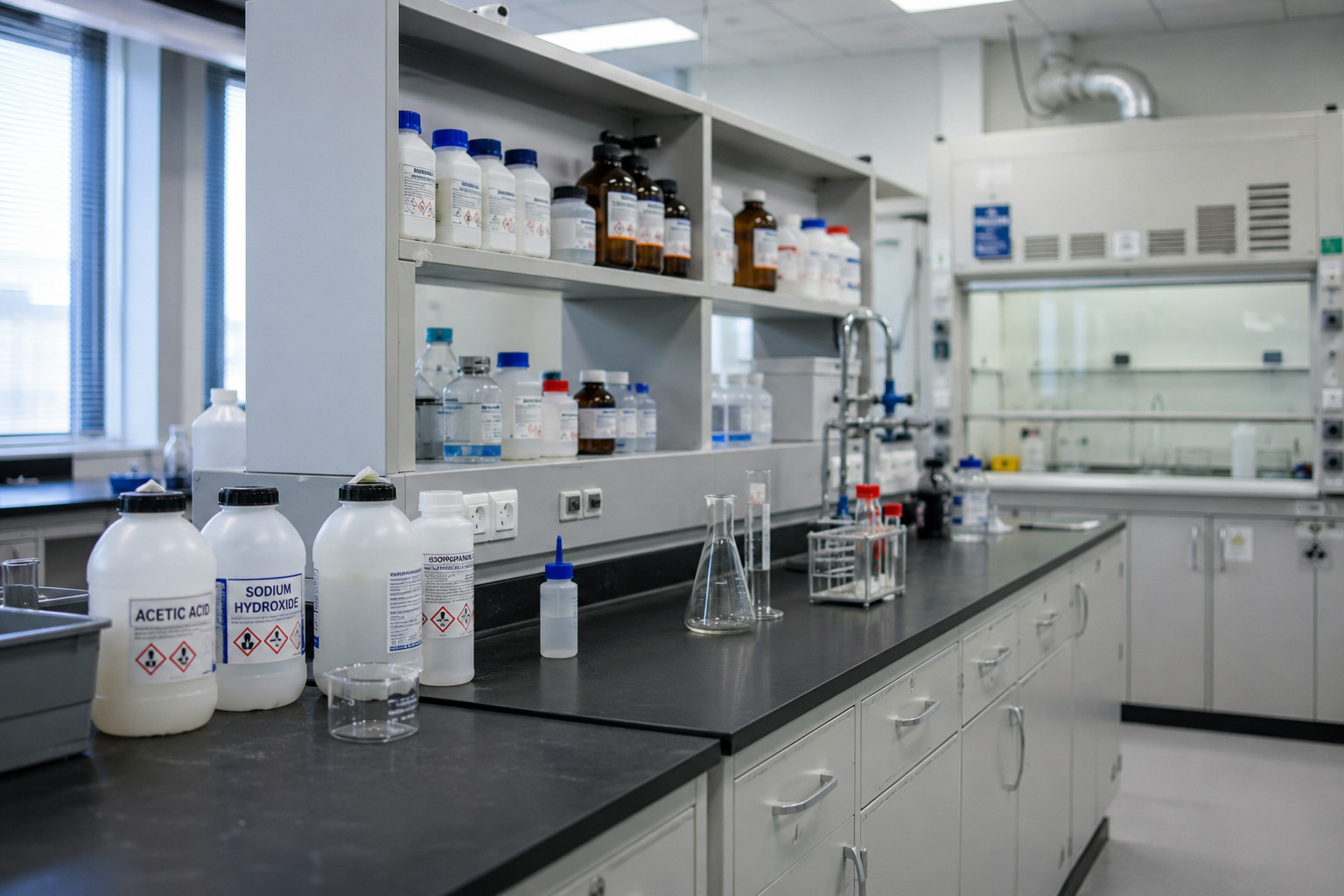
A corrosive environment is any workspace where airborne substances can chemically attack or degrade materials over time. This can happen in obvious applications, such as chemical handling or surface treatment, but it can also occur in laboratories, process areas, cleaning stations, production lines, and light industrial environments.
Examples may include:
- Chemical fumes from laboratory work
- Aggressive vapors from acids, bases, or solvents
- Surface treatment and preparation processes
- Cleaning, rinsing, or coating applications
- Processes where moisture and chemicals are present together
- Work areas where material compatibility affects service life
The challenge is that corrosion is not always immediate. A system may work well at first, but over time the wrong material choice can lead to wear, discoloration, brittle components, leakage, difficult movement, or increased service requirements.
That is why material selection should be considered early in the planning process.
Why standard extraction equipment may not be enough
Standard extraction equipment is often designed for general industrial environments. In many applications, that is the right choice. But when corrosive substances are present, standard materials may not provide the durability or chemical resistance needed for reliable long-term use.
This can create several problems.
- First, corrosion can reduce product lifetime. Components exposed to aggressive fumes may degrade faster than expected, which can lead to earlier replacement and higher lifecycle cost.
- Second, corrosion can affect performance. If joints, dampers, seals, or moving parts become damaged or harder to operate, the system may no longer be positioned correctly or used as intended.
- Third, maintenance can become more frequent. A solution that is not suited to the environment may require more inspections, cleaning, repairs, or part replacements.
Finally, operational reliability can suffer. In critical processes, an extraction system that fails or becomes difficult to use can disrupt the workflow and create avoidable downtime.
In corrosive environments, airflow is only part of the solution. Material compatibility is just as important.
Why material compatibility matters
Different materials react differently to chemicals, vapors, moisture, temperature, and process conditions. A material that works well in one environment may be unsuitable in another.
For example, polypropylene can be relevant in certain corrosive environments because of its chemical resistance. Stainless steel may be used where strength, cleanliness, or corrosion resistance is important. In more demanding industrial applications, a stronger corrosion-resistant extraction arm may be needed to combine durability with daily usability.
The right choice depends on several factors:
- Which chemicals or vapors are present
- How concentrated the exposure is
- Whether the exposure is continuous or occasional
- Temperature and humidity
- How often the equipment is used
- How close the extraction point is to the source
- Whether the environment is laboratory, light-duty, or heavy industrial
This is why corrosive applications should not be treated as standard extraction projects. The process, substances, and operating conditions need to guide the material selection.
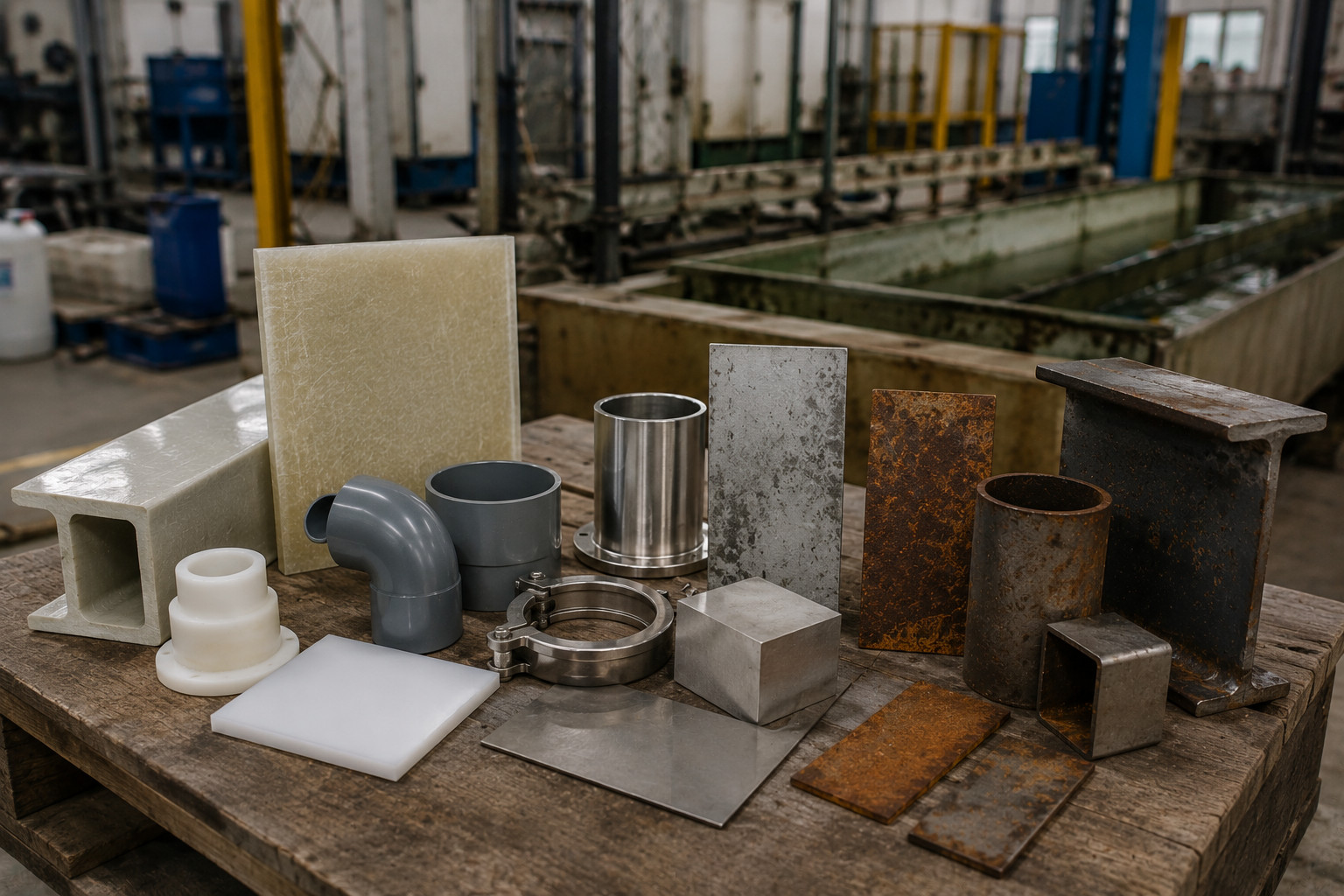
The hidden cost of choosing the wrong material
The wrong extraction solution may still move air on day one. The problem is what happens after months or years of exposure.
Poor material compatibility can lead to unnecessary maintenance, shorter service life, and operational issues that could have been avoided. Components may become harder to clean. Joints may lose smooth movement. Surfaces may deteriorate. Seals and hoses may need replacement sooner than expected.
In some cases, the system becomes less likely to be used correctly because it no longer feels easy, stable, or reliable in daily operation.
That matters because extraction only works when it is used properly. A system that is difficult to position, unpleasant to handle, or frequently in need of service can undermine the purpose of source capture.
Good material selection helps protect both the equipment and the workflow.
Choosing the right solution for the level of demand
Choosing the right solution for the level of demand
Not every corrosive environment is the same. Some are light-duty laboratory applications with lower mechanical demands. Others are industrial processes where the extraction solution must withstand corrosive exposure, chemical fumes, or stricter safety requirements.
For laboratory or light-duty corrosive environments, ME PP is a suitable choice where polypropylene components and stainless-steel metal parts in contact with the airflow are important. For EX-classified environments where chemical or corrosive exposure may also be present, ME EX can be considered.
For more demanding corrosive gas applications, PR CR is the clearest choice, as it is specifically designed for the extraction of corrosive gases. For gas extraction applications where EX requirements are relevant, PR EXC may also be considered.
For applications where acid-resistant stainless steel is required PSR may also be relevant. PSR is designed in polished acid-resistant stainless steel for EX work environments.
The key is to match the product not only to the airflow requirement, but also to the environment it will operate in — including chemical exposure, material compatibility, mechanical demand, and any EX requirements.
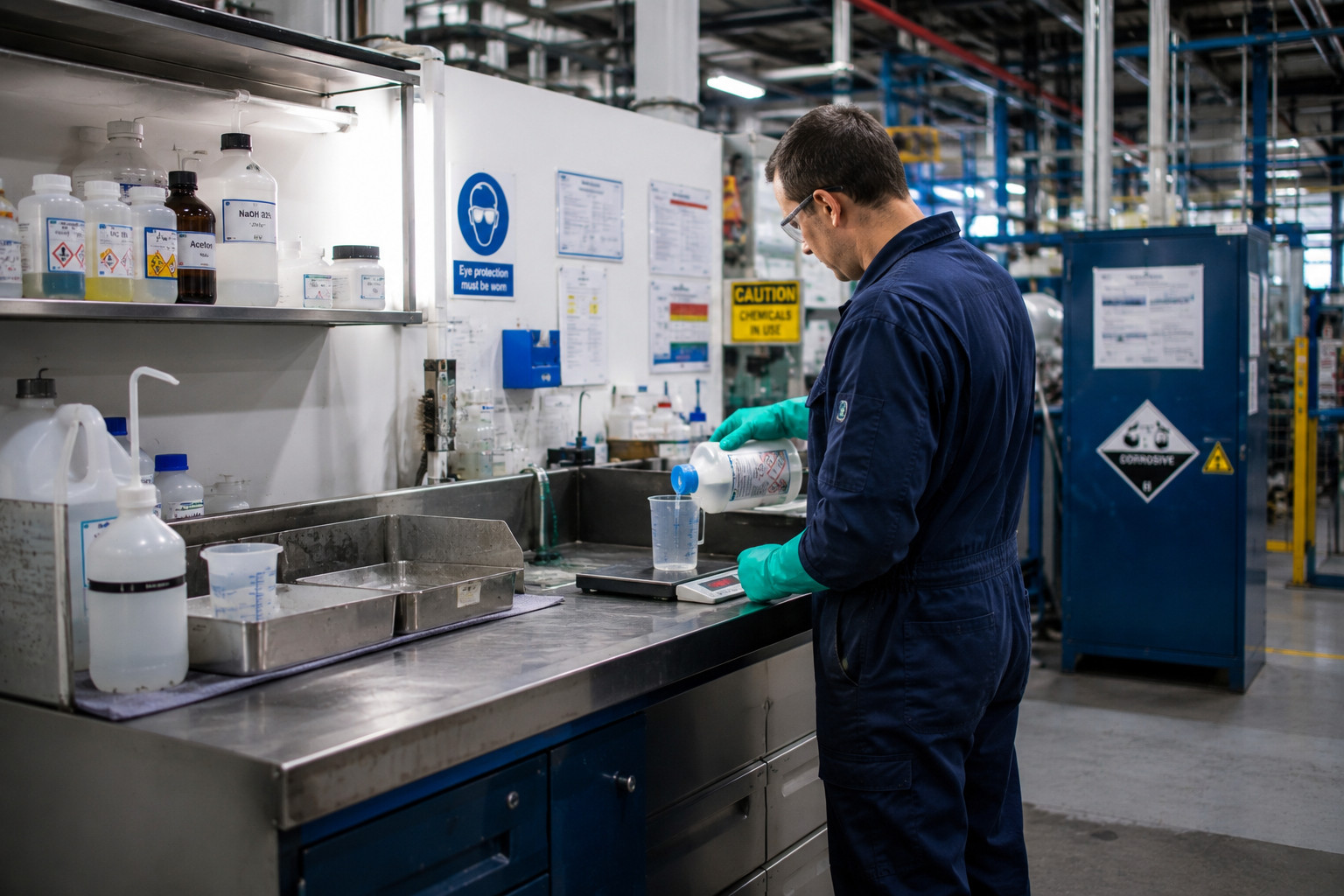
A better way to specify extraction in corrosive environments
When planning extraction for corrosive environments, the process should begin with more than airflow calculations. It should include a closer look at the substances being captured and the materials exposed to them.
A good specification should answer questions such as:
- What substances are released into the air?
- Are they corrosive, reactive, or moisture-related?
- How close will the extraction arm be to the source?
- How often will the system be used?
- Will the arm need frequent repositioning?
- Are standard materials suitable, or is a corrosion-resistant design needed?
- What level of maintenance is acceptable for the application?
This approach leads to a more reliable solution. It also helps avoid over-specifying for simple applications or under-specifying for demanding ones.
Airflow captures the contaminant. Materials protect the system.
In corrosive environments, extraction performance depends on more than air volume. The system must capture the contaminant effectively, but it must also be built from materials that are suitable for the exposure.
That is the difference between a solution that works in theory and one that performs reliably over time.
Choosing the right extraction system for corrosive environments is not just a technical detail. It is a way to reduce maintenance, support longer service life, and help keep the process running with fewer avoidable problems.
When materials matter, the right extraction solution starts with understanding the environment.