Here you can read the latest news from Fumex.
Materials Matter: Choosing Extraction Equipment for Different Laboratory Processes
5 Common Design Mistakes in Laboratory Extraction Systems
Capture Performance: Why Airflow Alone Does Not Determine Effective Extraction

Pressure Drop and Energy Use in Laboratory Extraction Systems
How to Select the Right Extraction Arm for Your Laboratory
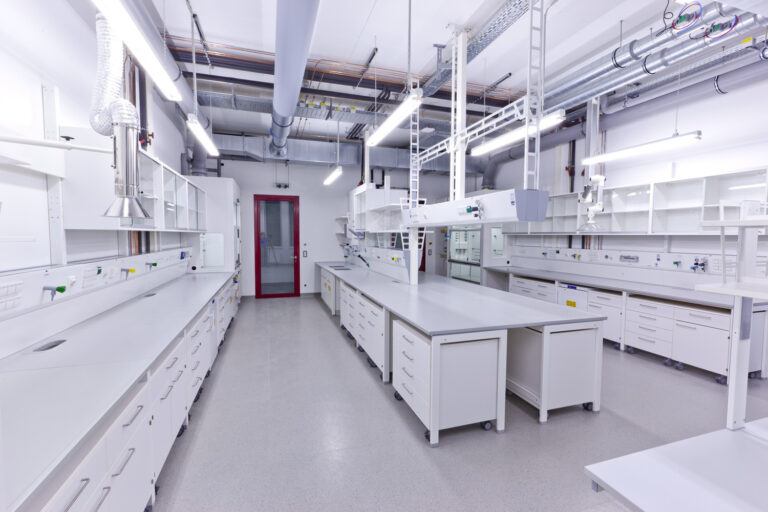
“A little better every day” – Anders Hedlund reflects on his journey with Fumex
Meet Movex at I2SL 2026 in Boston – Booth 311
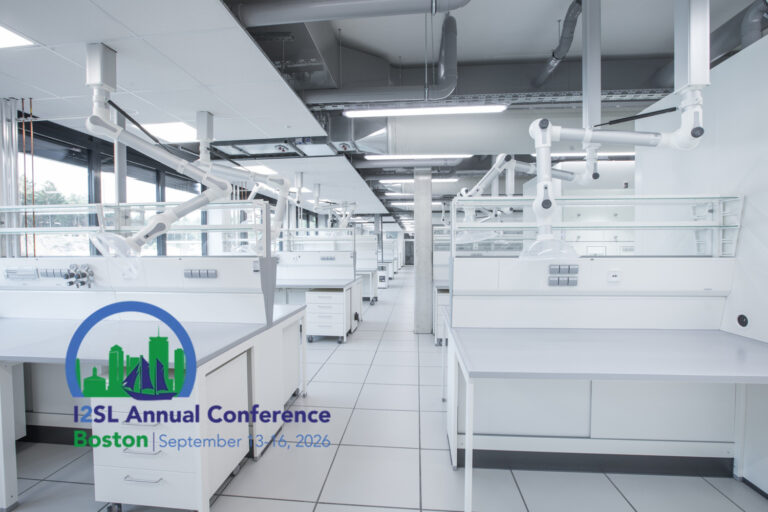
Why you need industrial source extraction
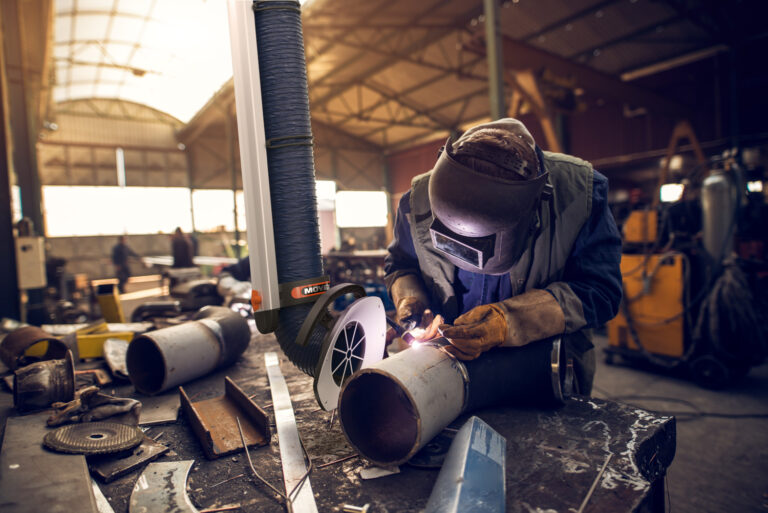
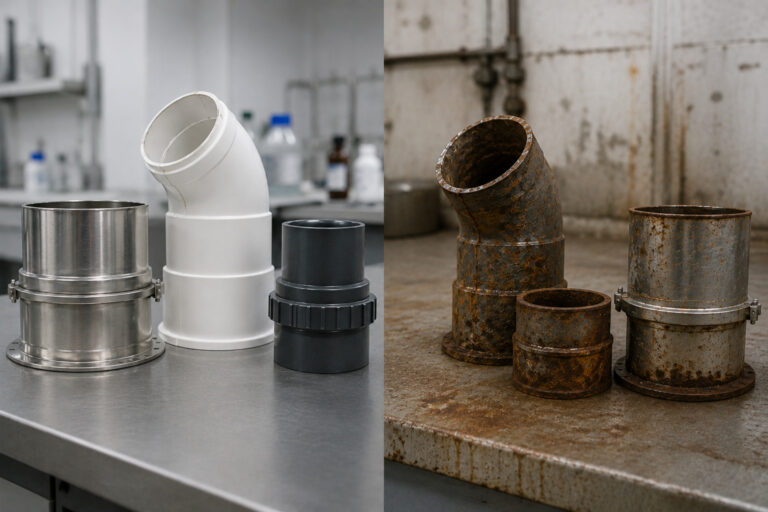
Why material selection matters in corrosive environments
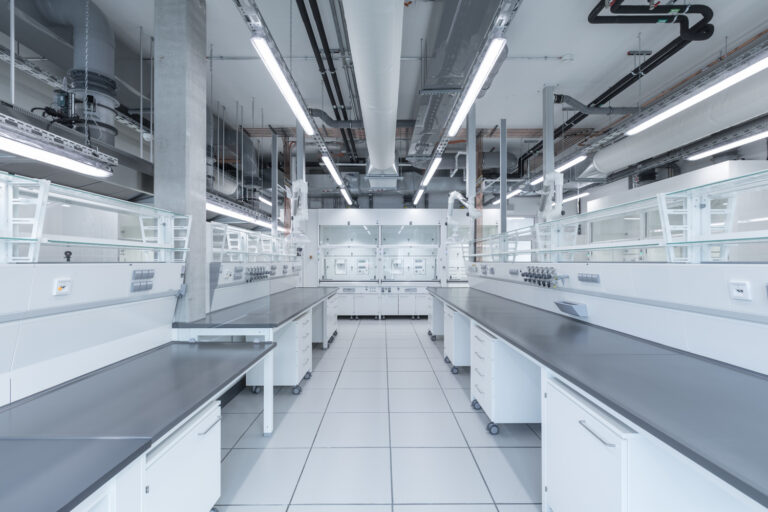
Source Extraction in Laboratories: Precision Where It Matters
Opening hours during the summer

New at Fumex GmbH – Jeaneth is already an important part of the team
When the right expertise meets the right idea: the Fumex augmented reality app

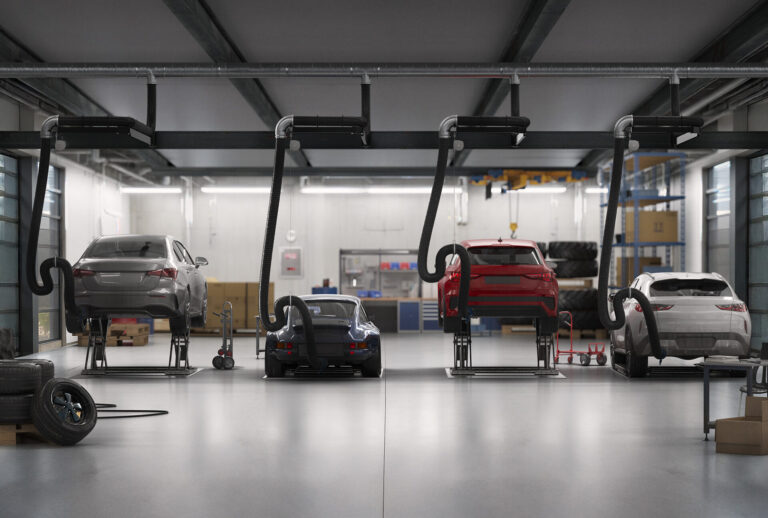
Why local extraction is essential for vehicle exhaust and welding fumes
Welcome to the open house on Saturday, November 9
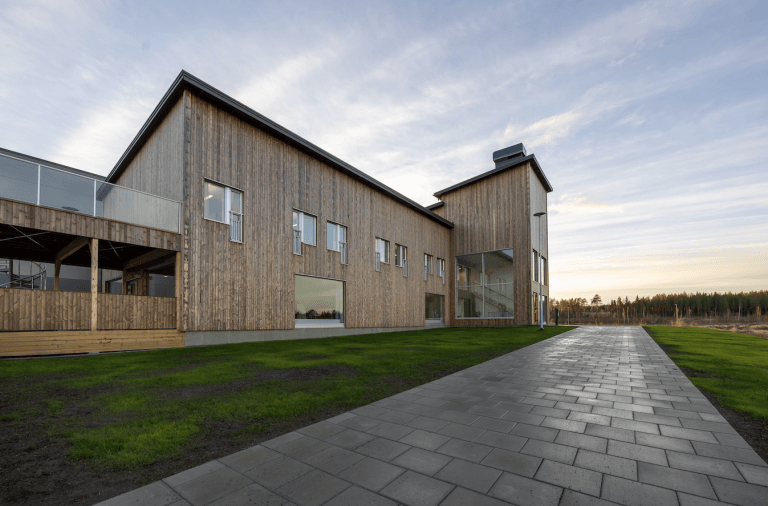
Jussi Minkkinen is Fumex’s new Production Manager – “I am driven by continuous improvement”

Japanese Dalton visits Fumex – focus on future cooperation
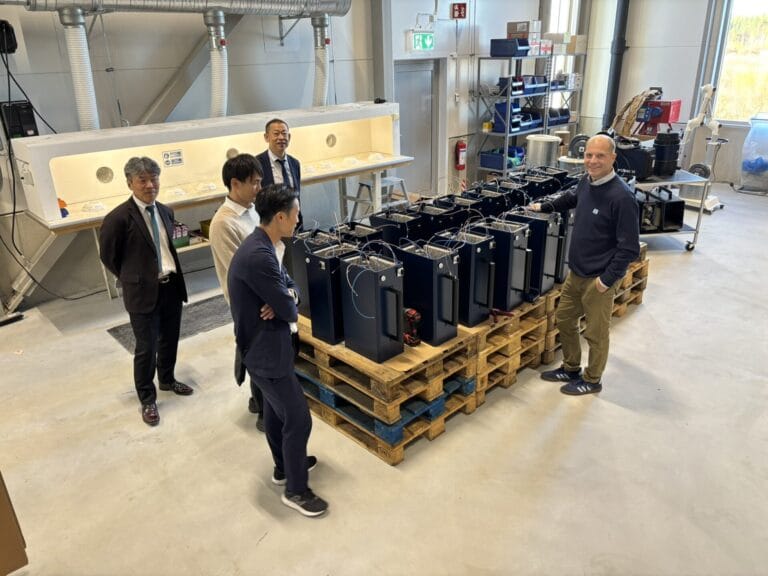
Introducing Mike Murphy – Movex’s new National Sales Manager

Opening ceremony for our new headquarters – See the pictures from the event!

Introducing Kenny Stenberg – ISO Coordinator at our parent company Fumex

Increasing the knowledge of environmental and social sustainability

Anders Hedlund takes the floor – “Trust me, there is a lot going on at Movex!”
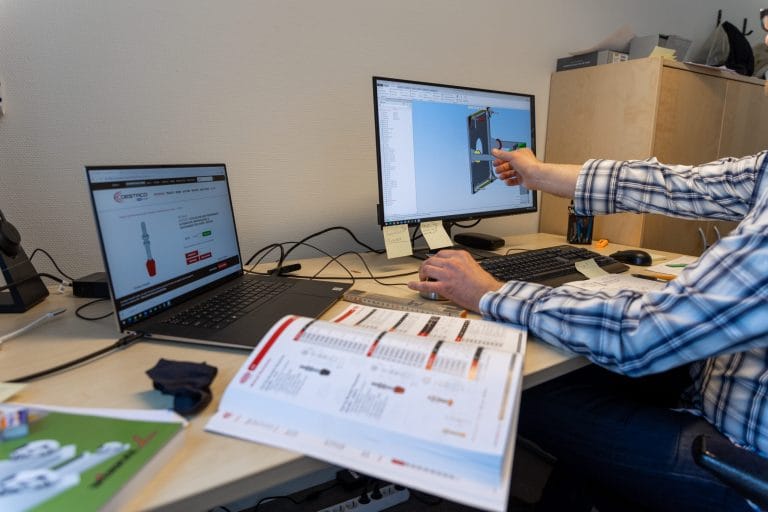
PRX – An effective “heavy duty” extraction arm
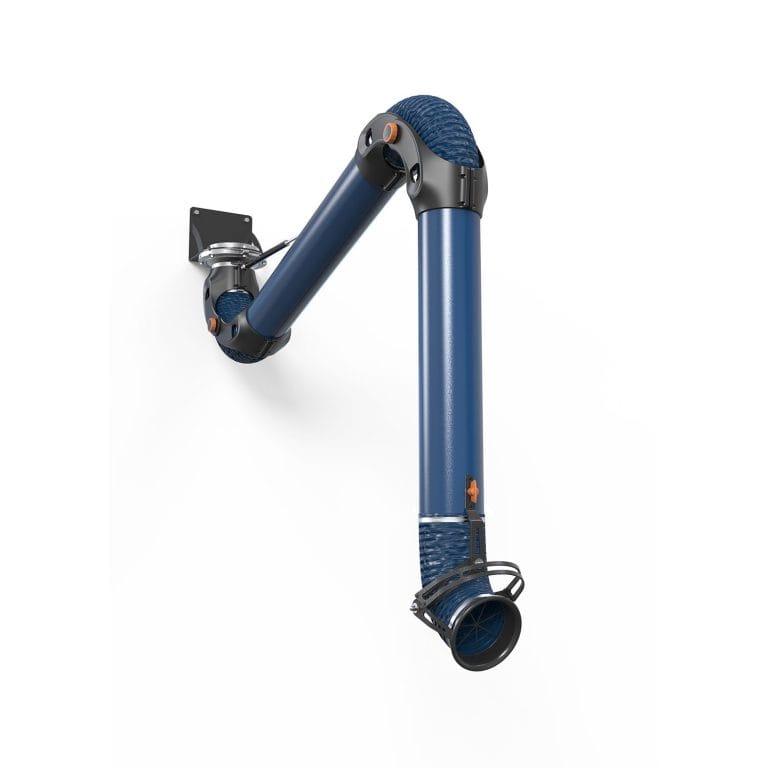
CV – Modular filter for both particles and gas
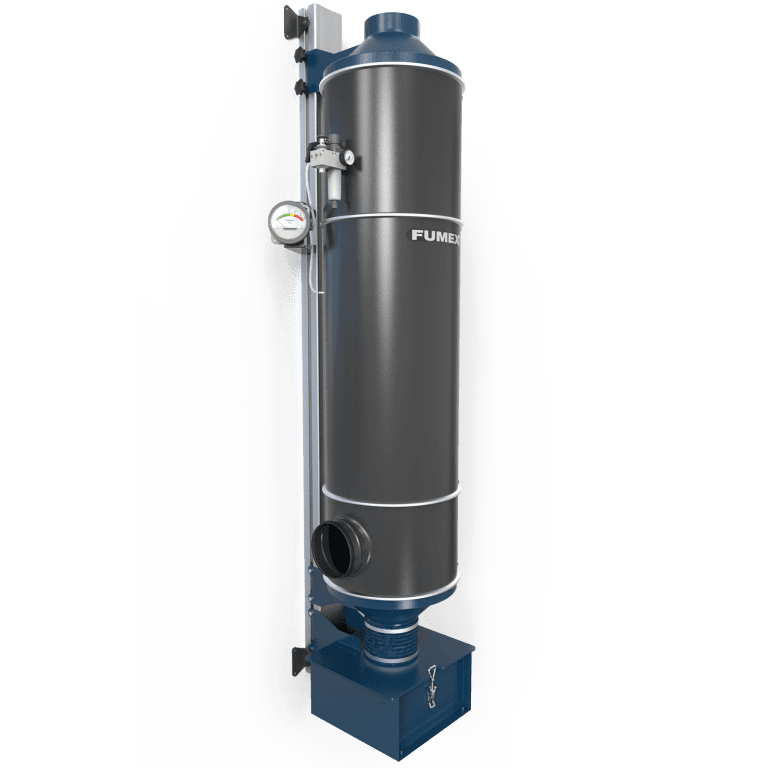
What EX means — and why it matters in extraction
In some work environments, airborne contamination is not only a health or cleanliness issue. It can also create an ignition risk.
When flammable gases, vapors, mists, or combustible dust mix with air, an explosive atmosphere may form. In these areas, extraction equipment must be selected with extra care. Static electricity, poor grounding, unsuitable materials, or incorrect system design can increase ignition risks.
EX-compatible extraction is about more than moving air. It is about choosing equipment and system components that are suitable for the conditions around the process.
What does EX mean?
EX is commonly used to describe equipment, areas, or requirements connected to explosive atmospheres. An explosive atmosphere can form when three elements are present at the same time:
- A flammable substance
- Oxygen in the air
- An ignition source
The flammable substance may be a gas, vapor, mist, or dust. The ignition source may be a spark, static discharge, hot surface, flame, or electrical fault.
In extraction applications, this matters because the system may handle air containing flammable or combustible substances.
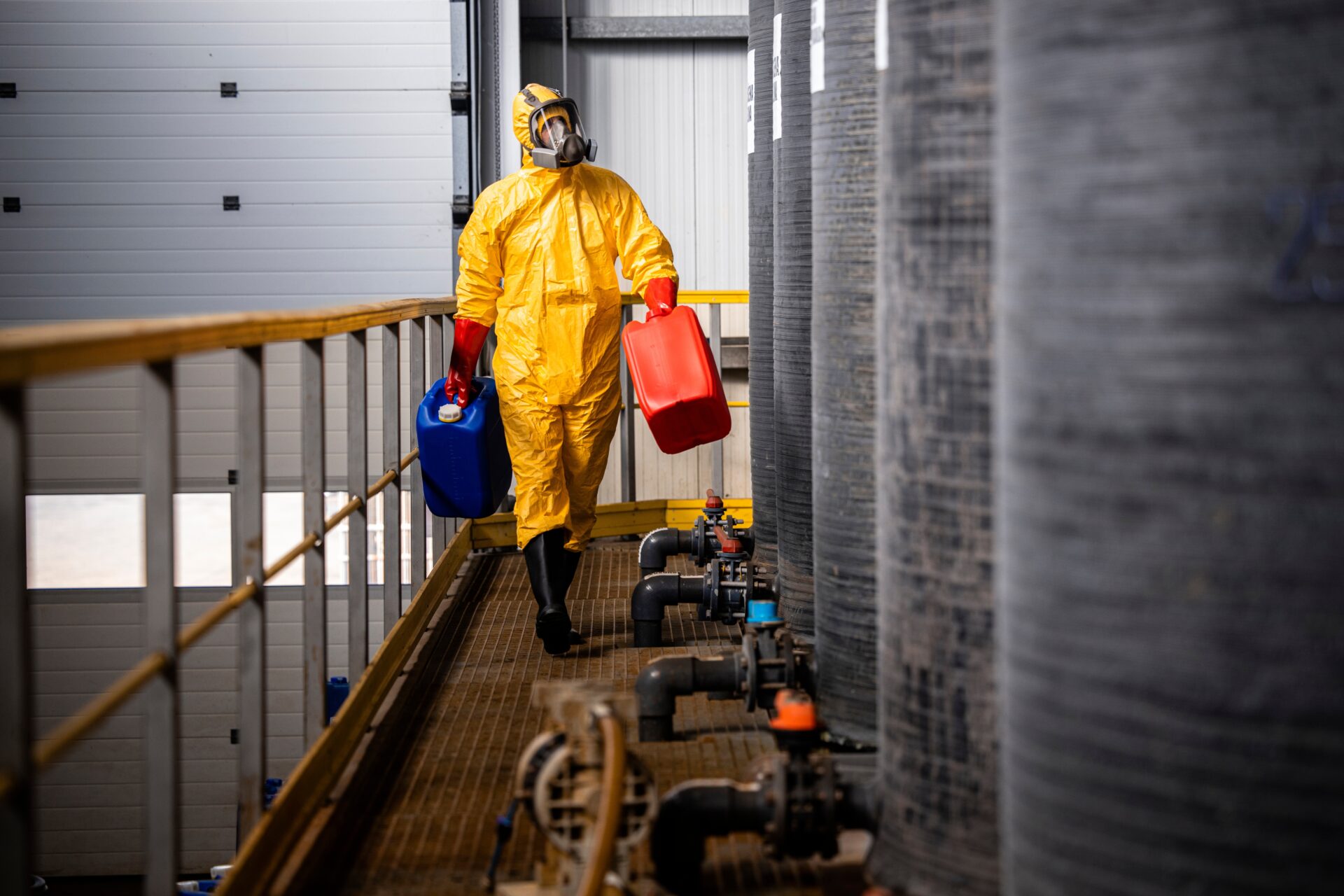
Explosive atmospheres are not always obvious
A hazardous area does not always look dangerous. In many cases, the risk comes from normal work processes.
Flammable vapors may be released during cleaning, coating, painting, mixing, filling, or chemical handling. Combustible dust may be generated when powders, food ingredients, plastics, metals, wood, or other dry materials are processed. In some environments, the risk may only occur during certain tasks, maintenance, spills, or abnormal operating conditions.
That is why EX considerations should be part of the planning process early. The question is not only how much air needs to be moved, but also what is in the air and what risks it creates.
What can happen if the wrong equipment is used?
Unsuitable equipment can increase ignition risks in areas where flammable vapors, gases, mists, or combustible dust may be present.
Possible consequences include:
- Static discharge that may ignite a flammable atmosphere
- Dust buildup inside ducts, filters, or equipment
- Vapor accumulation near the work area
- Damage to equipment not suited to the substance being extracted
- Unexpected downtime or costly modifications
- Higher risk during cleaning, maintenance, or abnormal operation
- Serious injury, fire, or explosion in the worst case
This is why hazardous-area extraction should never be treated as a standard ventilation project. It requires a closer look at the substance, process, area classification, airflow path, grounding, materials, and maintenance needs.
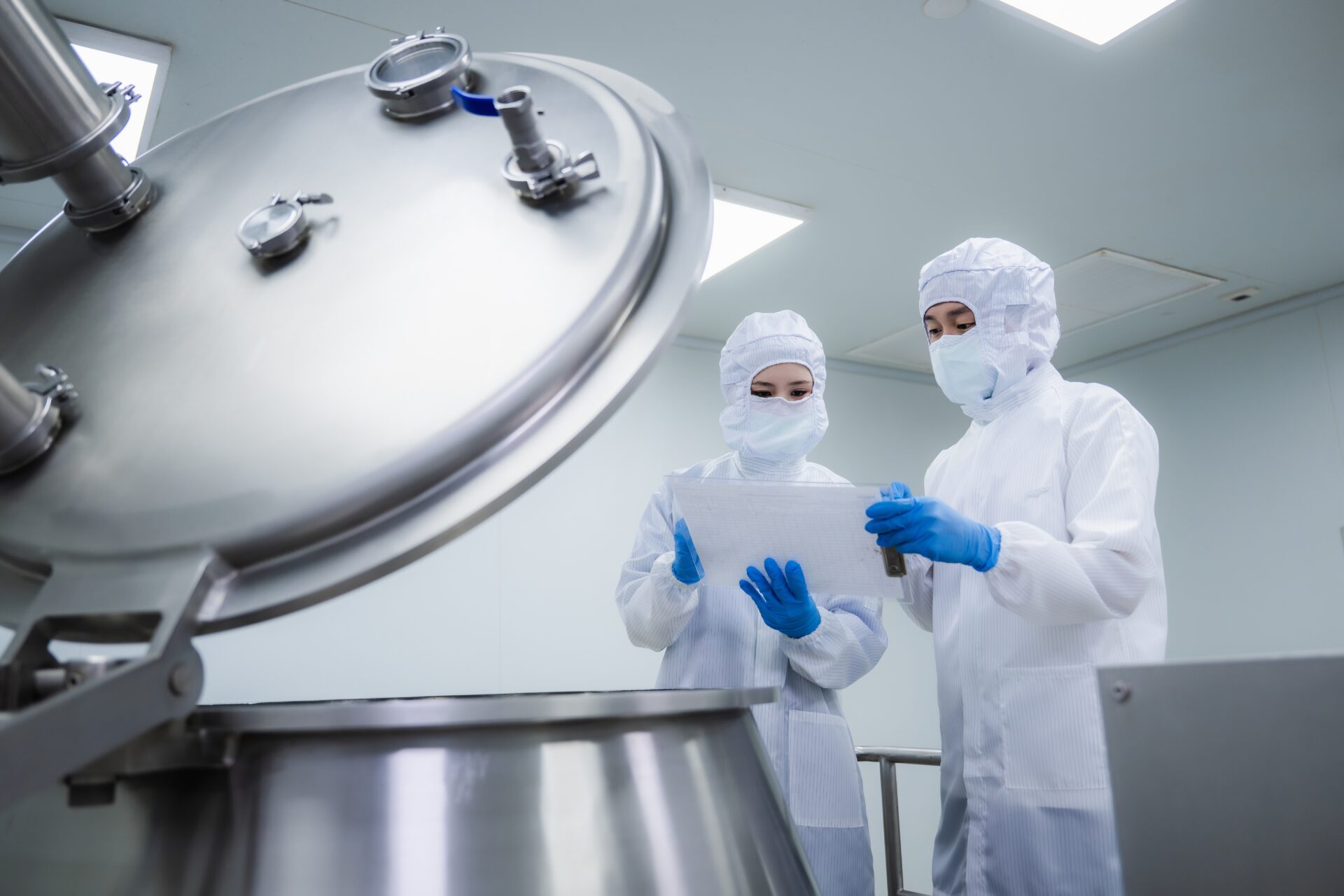
Static electricity and material selection
Static electricity is one of the key concerns in EX applications. When air, dust, vapors, or particles move through hoses, arms, ducts, or filters, electrical charge can build up on surfaces. If that charge is not safely dissipated, it may discharge as a spark.
That is why conductive materials, grounding, and continuity across the system are important. Materials may also need to be antistatic, corrosion-resistant, or compatible with the substances being captured.
For example, a laboratory handling flammable vapors may need different materials than a production area handling combustible dust. A corrosive chemical process may require both chemical resistance and EX-compatible design.
Airflow design must support safety
Good extraction should capture the contaminant close to the source and transport it safely through the system. In EX applications, the airflow design must also help prevent vapor accumulation, dust deposits, and unnecessary pressure drop.
Too little airflow may allow vapors or dust to accumulate. Poor duct design may encourage deposits inside the system. Badly designed transitions can make maintenance harder and reduce performance.
The system should be designed around the process, the contaminant, and the risk level. Extraction arms, ducts, fans, filters, dampers, and controls need to work together.
Industries where EX considerations may be relevant
EX-compatible extraction may be needed in many industries where flammable vapors, gases, mists, or combustible dust can occur, including:
- Chemical and petrochemical production
- Paint shops and coating operations
- Solvent handling and cleaning processes
- Pharmaceutical manufacturing
- Laboratories handling flammable chemicals
- Battery production and charging areas
- Powder handling and bulk material processing
- Food and spice production
- Grain, flour, sugar, and starch processing
- Woodworking and sanding operations
- Plastics and composite processing
- Metal dust applications
- Additive manufacturing and powder-based processes
- Fuel handling and maintenance areas
- Printing and adhesive processes
- Waste handling or recycling where flammable gases may occur
The common factor is not the industry itself. It is the presence of flammable substances and the possibility that they may mix with air.
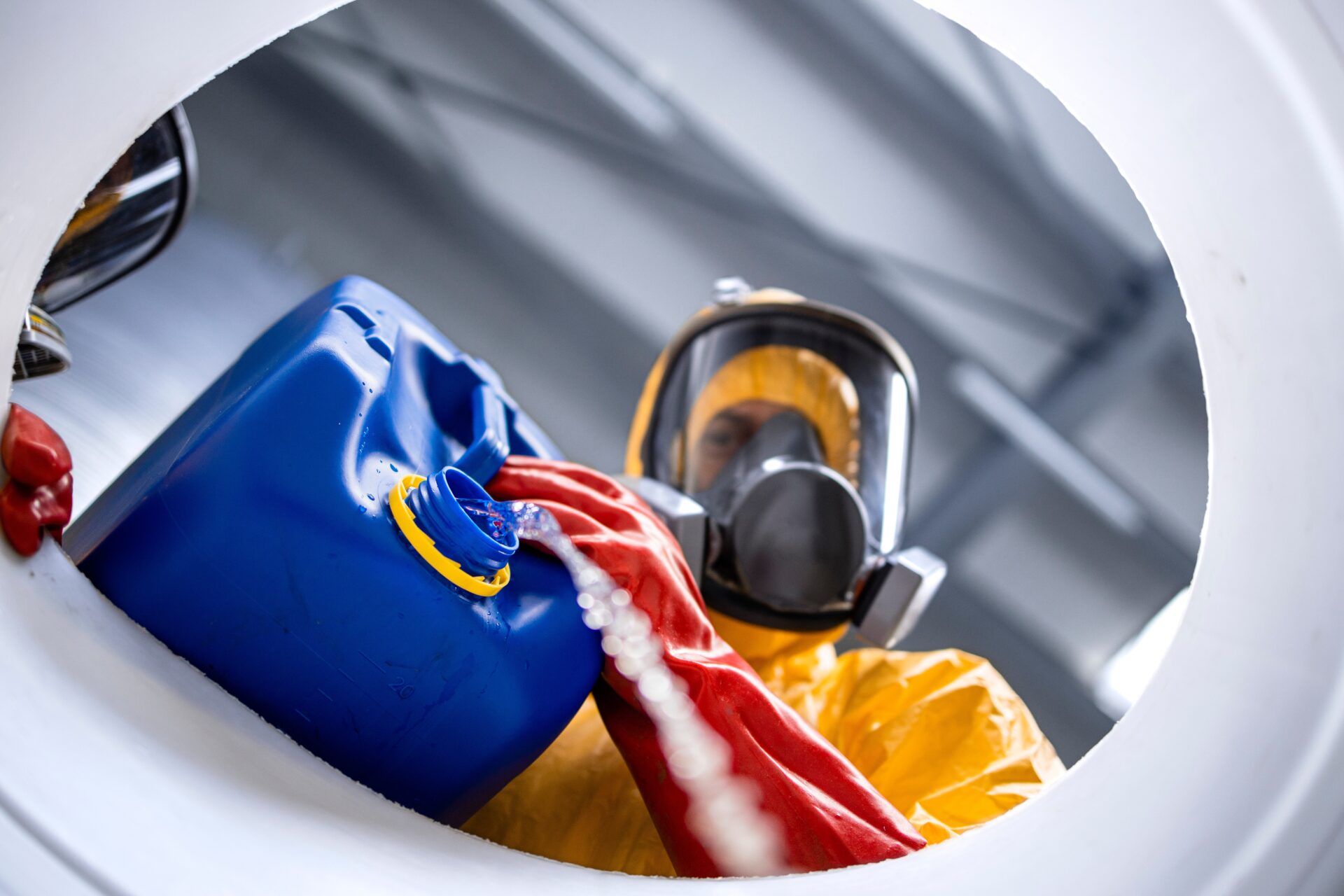
Gas, vapor, and dust risks are different
Not all EX applications are the same.
Flammable gases and vapors can spread quickly and may form an explosive atmosphere if they mix with air in the right concentration. They are often associated with solvents, fuels, chemicals, cleaning agents, coatings, or process gases.
Combustible dust behaves differently. It may accumulate on surfaces, inside ducts, or in filters. If disturbed, it can form a dust cloud that may ignite under the right conditions.
This difference matters when choosing extraction equipment. A solution for vapor extraction is not automatically suitable for dust extraction, and a dust solution is not automatically suitable for vapor applications.
Product selection: matching the solution to the risk
For customers who need extraction equipment suitable for areas where flammable vapors or dust may be present, selected Movex products can be considered based on the application and environment.
Movex products are not EX-rated ignition sources, since they do not generate sparks. However, selected products are EX-compatible through material selection, grounding, and design.
ME EX can be considered for laboratory and workstation applications where flammable vapors may be present and where conductive materials and suitable grounding are important.
PR EXD can be considered for extraction applications involving dust where EX-compatible design is required.
PSR can be relevant in demanding EX work environments where acid-resistant stainless-steel design and suitable material selection are important.
The right choice depends on the process, the contaminant, the area classification, and the full system design.
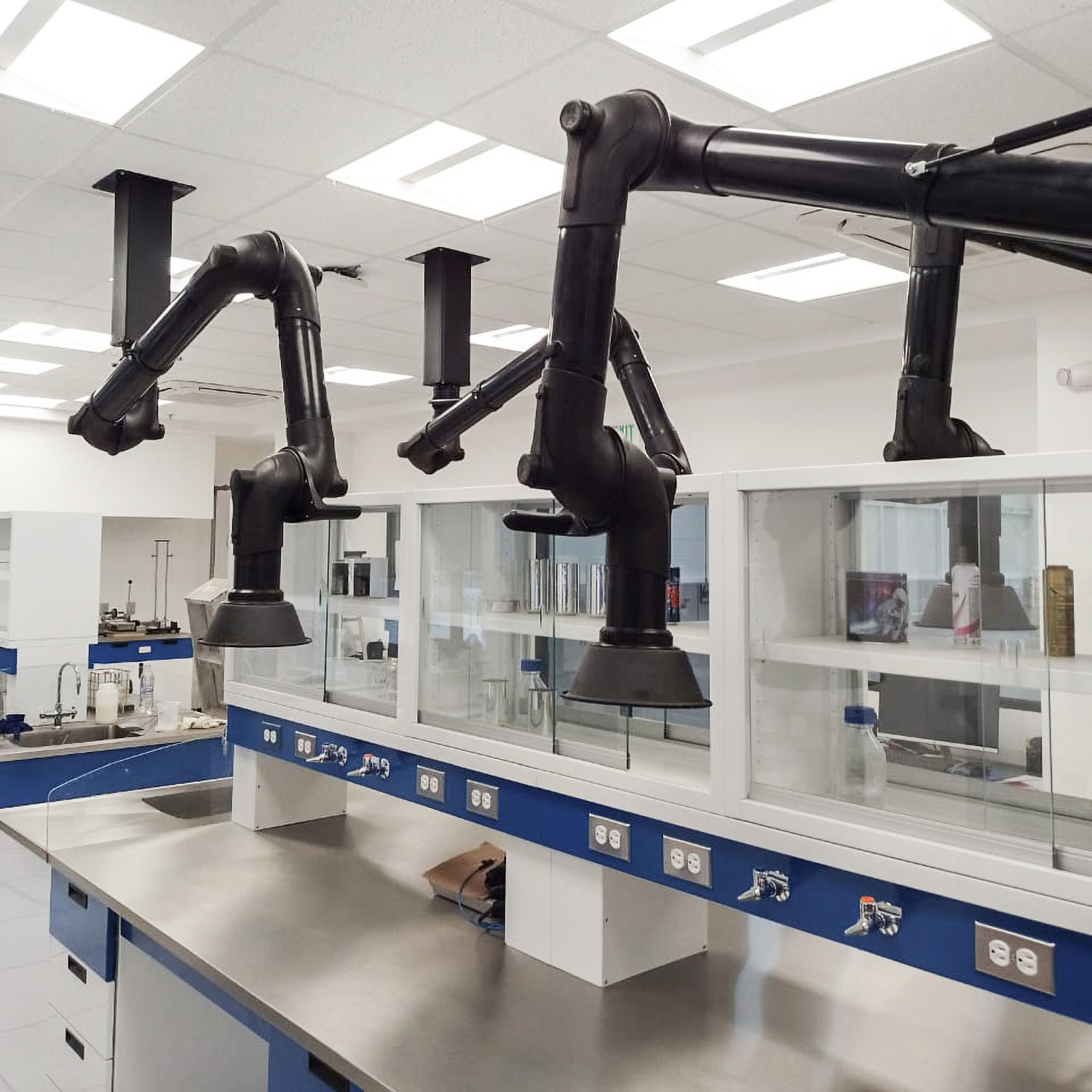
Questions to ask before choosing an EX-compatible solution
Before selecting equipment, it is important to understand the application clearly:
- What substance is being extracted?
- Is it a gas, vapor, mist, dust, or particle?
- Can it form an explosive atmosphere with air?
- Is the area classified?
- Is the risk continuous, occasional, or only present during certain tasks?
- Does the process create static electricity?
- Are conductive or grounded components required?
- Is the substance corrosive or chemically aggressive?
- Does the system need filtration?
- Could dust build up in ducts, filters, or equipment?
- How will the system be cleaned and maintained?
- Are there other ignition sources nearby?
These questions help determine whether a standard extraction solution is suitable, or whether EX-compatible equipment and a more detailed system review are needed.
EX-compatible extraction starts with understanding the risk
In hazardous-area applications, extraction is part of a broader risk-control strategy. The right solution can help capture flammable vapors, gases, mists, or dust close to the source, while the equipment design supports safer operation in the surrounding environment.
Conductive materials, grounding, airflow design, material compatibility, and maintenance all play an important role.
When explosive atmospheres may be present, choosing the right extraction solution is essential to safer, more reliable operation.